science
Simulations show marine cloud brightening weakens El Niño events
Computer models indicate that injecting aerosols over the eastern subtropical Pacific Ocean can brighten clouds and reduce the intensity of strong El Niño events. The approach remains far from deployment due to engineering and governance questions.
Jul 8, 2:00 PM·1m read1 source
 Science News
Audio version
Tap play to generate a narrated version.
Developing·Limited corroboration so far. This page will refresh as more sources emerge.
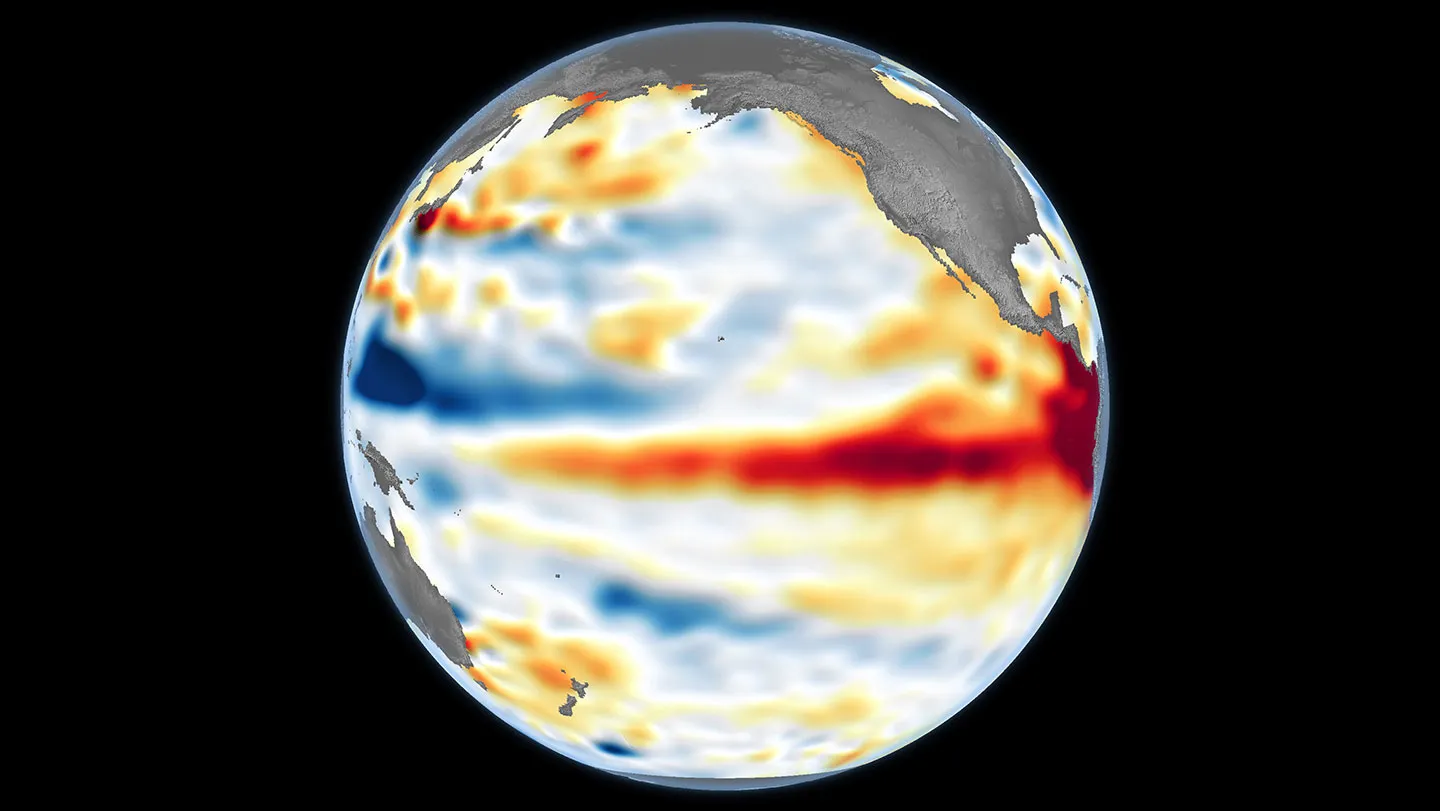
Computer simulations published July 8 indicate that targeted aerosol injections over the eastern subtropical Pacific Ocean could brighten clouds and reduce the strength of strong El Niño events. The study modeled the 1997–1998 and 2015–2016 El Niño episodes.
Continuous injections from June through the following February produced the largest cooling effect in the 2015–2016 simulation, while injections begun in December yielded the smallest reduction.
Background on the approach The simulations were prompted by observations after the 2019–2020 Australian wildfires. Particles from those fires increased cloud brightness over the southeastern subtropical Pacific and contributed to a subsequent multiyear La Niña.
Researchers applied the same regional target in their models, injecting sea-salt aerosols at a concentration of roughly 500 particles per cubic centimeter.
Limitations and next questions Earth entered its current El Niño phase in June, and some models suggest the possibility of a strong event. The study authors stated that marine cloud brightening is not under consideration for this year’s event. Other researchers noted that previous simulations of eastern Pacific cooling produced a stronger La Niña than any previously observed.
They also cited unresolved questions about engineering feasibility and potential regional climate side effects.