technology
Six Companies Back Chip Security Act to Block AI Chip Diversion to China
The firms sent a letter to congressional leaders on June 18, 2026, arguing the bill would close export loopholes and boost U.S. sales. The legislation remains under review in the House and early stages in the Senate.
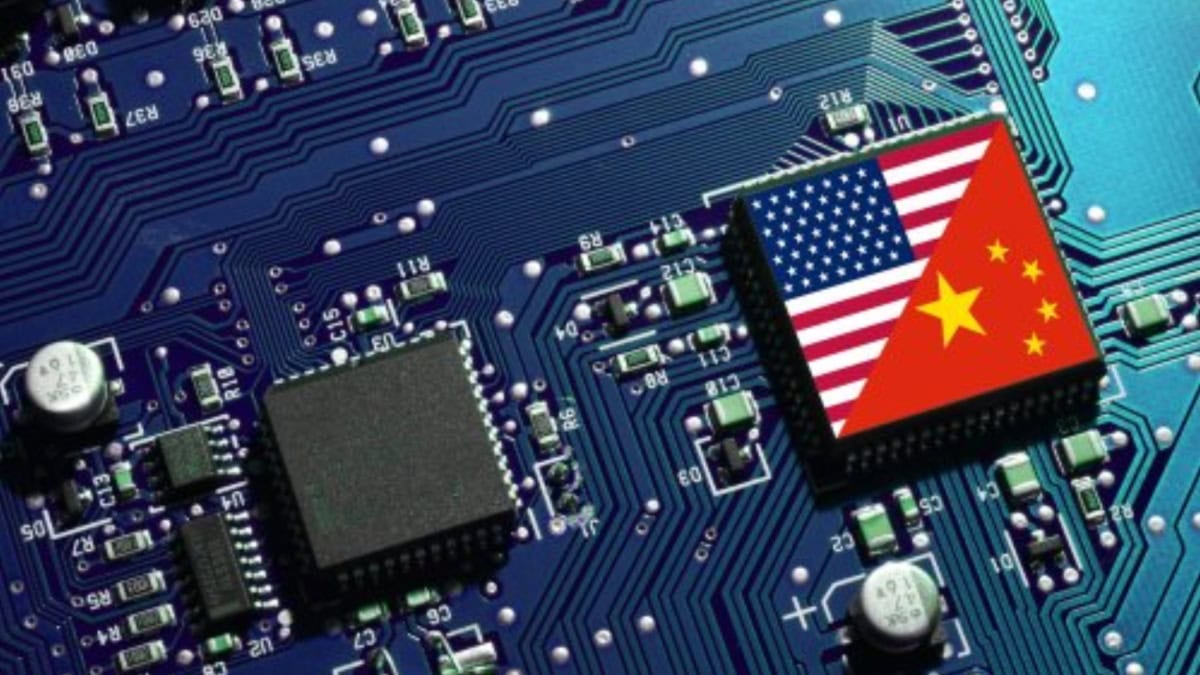 techjuice.pk
Audio version
Tap play to generate a narrated version.
Developing·Limited corroboration so far. This page will refresh as more sources emerge.
Six companies that specialize in tracking shipments of sensitive technologies sent a letter to congressional leadership on June 18, 2026, supporting the Chip Security Act. U.S. export control regime.
The Chip Security Act would require America’s most powerful AI chips to incorporate stronger security mechanisms aimed at preventing the chips from reaching China and other adversaries. It mandates that chip exporters better track where advanced chips are sent, either through bespoke location-verification hardware or software that can run on existing hardware.
The letter argues that the added verification would give chip customers and manufacturers assurance they are complying with restrictions, leading to increased sales, faster export approvals, larger transactions, greater access to new markets, and more expansive chip deals.
GeoComply, Multibeam, and Fortaegis signed the letter. Kip Levin, GeoComply’s CEO, said chip smuggling is actively eroding the export controls by putting advanced AI chips in the hands of strategic competitors. He added that location-verification technology gives legitimate buyers a way to prove compliance and gives policymakers the confidence to approve larger deals and broader exports.
5 billion of AI chips to China. U.S. export control laws banning sales of advanced AI chips to China, loopholes have allowed billions of dollars’ worth of chips to be sold to entities in third-party countries that can then forward them to China.
The House Foreign Affairs Committee unanimously approved the CSA in a 42-0 vote in late March and sent it to the wider House, where it remains under review. The Senate’s companion legislation remains in the first stages of consideration. At the end of May, the Commerce Department’s Bureau of Industry and Security announced it was closing a loophole that had allowed companies to circumvent prohibitions on sales of advanced AI chips to China for the past year by selling chips to subsidiaries of Chinese companies in third-party countries.

