science
Smithsonian Exhibit Displays Natural Specimens From All 50 States and Territories
A new exhibit at the Smithsonian National Museum of Natural History presents more than 600 specimens and objects representing every U.S. state, the District of Columbia, and five territories. The display is organized by themes rather than geography and forms part of a Smithsonian initiative for the nation's 250th anniversary.
 Science News
Audio version
Tap play to generate a narrated version.
Developing·Limited corroboration so far. This page will refresh as more sources emerge.
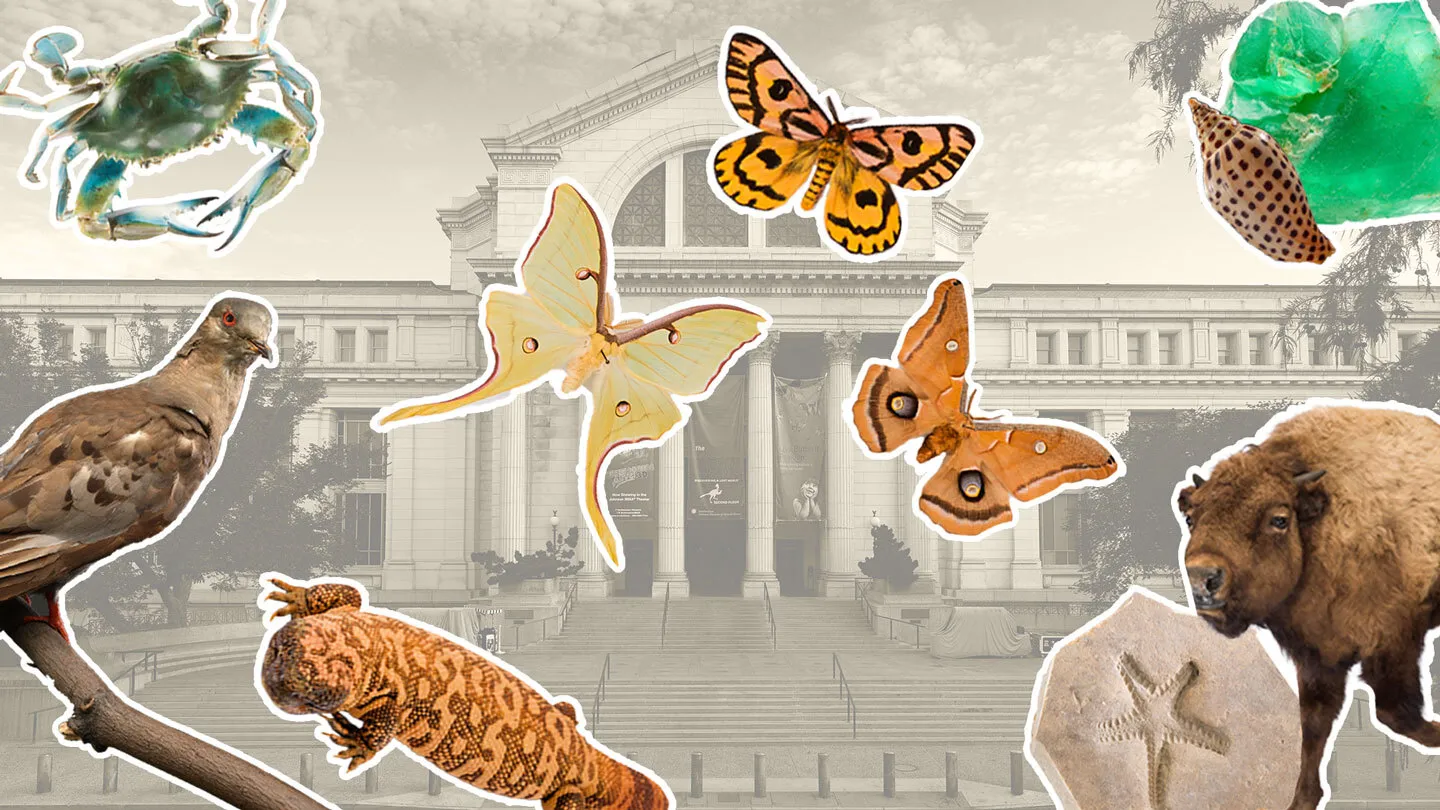
The Smithsonian National Museum of Natural History opened an exhibit titled "From These Lands" that features specimens and cultural objects from all 50 states, the District of Columbia, and five U.S. territories. The display contains more than 600 items and is arranged around cross-cutting themes instead of state-by-state groupings.
Officials said the goal is for visitors to see connections between their own locations and the broader natural history of the United States.
One section shows preserved insects representing an estimated 91,000 species documented nationwide. Another presents the skeleton of Martha, the last known passenger pigeon, placed next to a Guam rail whose population was restored through a breeding program begun in the 1980s.
A marine display explains how removal of sea otters during the fur trade disrupted kelp forests along the Pacific coast and how recent reintroduction efforts have begun to restore balance.
A New Mexico fossil assemblage of giant salamander-like amphibians dating to roughly 240 million years ago is shown with analysis indicating rapid burial after a flood event. Bird specimens collected over more than a century illustrate shifts in populations and geographic ranges.
The exhibit encourages visitors to travel to unfamiliar parts of the country. It is part of the Smithsonian's "Our Shared Future: 250" initiative marking the nation's 250th anniversary.