Substrate
technology

Social Media Ads and Content Shaped Voter Exposure in Welsh Election

Parties spent tens of thousands of pounds on targeted social media advertising during the recent Welsh Senedd election. Fictional voter profiles tracked different content streams on major platforms. Spending and messaging varied across parties and reached users unevenly.

The Bbc
1 source·May 16, 7:01 AM(13 days ago)·1m read
|
Social Media Ads and Content Shaped Voter Exposure in Welsh ElectionThe Bbc
Audio version
Tap play to generate a narrated version.

Six fictional voter profiles created with help from the National Centre for Social Research showed different content streams depending on the account.

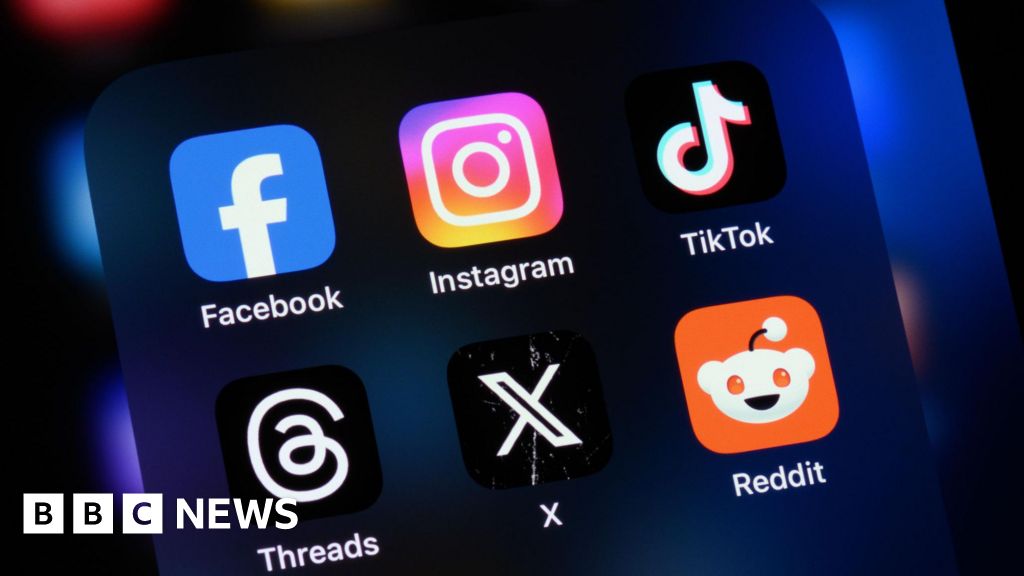
In the final 30 days of the campaign, from 8 April to 7 May, Welsh Labour spent £92,076 on Facebook and Instagram ads. Reform UK spent £77,594, Plaid Cymru spent £53,699, the Green Party spent £46,471, the Conservatives spent £45,647 and the Liberal Democrats spent £7,406.

Plaid Cymru ran ads on policies and candidates that later focused on preventing a Reform government. Labour ran ads featuring its leader and a page called Senedd Election Explained that highlighted constituency races. Reform UK posted about removing the current prime minister and about Welsh issues such as the 20 mph speed limit.

Posts from Plaid Cymru about a two-horse race and stopping Reform appeared on four of the six fictional voter feeds. Similar messages came from other parties, individuals and media outlets. Local community groups on Facebook carried political discussion that ranged from bans on the topic to heated arguments.

Anonymous accounts posted exclusively about Welsh politics. Some accounts reposted news stories and offered subscriptions. Several AI-generated videos showed people discussing tax, immigration and transport; the pages were based in Sri Lanka and the United States.

A Plaid Cymru spokesperson said the party was proud of its strategic investment in digital campaigning and that it contributed to increased engagement from younger voters and record turnout.

Key Facts

£92,076
Welsh Labour spent on Facebook and Instagram ads
Six fictional profiles
Tracked content on five major social platforms
Plaid Cymru
Spokesperson cited digital strategy for turnout

Story Timeline

3 events
  1. 8 April to 7 May

    Parties increased social media ad spending in final campaign period.

    1 sourceThe Bbc
  2. Election period

    Fictional voter profiles recorded targeted ads and organic political posts.

    1 sourceThe Bbc
  3. Election day

    Plaid Cymru ads emphasized stopping Reform government.

    1 sourceThe Bbc

Potential Impact

  1. 01

    Voters received different political messages depending on their online activity.

  2. 02

    Parties may increase digital ad budgets in future elections.

Transparency Panel

Sources cross-referenced1
Confidence score65%
Synthesized bySubstrate AI
Word count243 words
PublishedMay 16, 2026, 7:01 AM
Bias signals removed2 across 1 outlet
Signal Breakdown
Loaded 1Amplifying 1

Related Stories

World Urban Forum 2026 Draws 57,000 Participants from 176 CountriesEuronews
technology4 hrs agoDeveloping

World Urban Forum 2026 Draws 57,000 Participants from 176 Countries

The 13th World Urban Forum concluded with discussions on housing, climate resilience and urban governance. Organisers reported that the sessions informed future strategic priorities.

Euronews
1 source
Trump Mobile website still lists T1 phone as American-madetheverge.com
technology4 hrs agoDeveloping

Trump Mobile website still lists T1 phone as American-made

The product page for the T1 phone continues to describe the device as American-made. The Verge reported that the site may conflict with FTC advertising rules. The phone was announced in June 2025.

The Verge
1 source
EU Discusses Readiness for Artificial Intelligence ChangesFrance 24
ai4 hrs agoDeveloping

EU Discusses Readiness for Artificial Intelligence Changes

A France 24 program examined whether European Union policies can address the effects of artificial intelligence. The discussion covered potential impacts across daily life and economic sectors.

France 24
1 source