Solar-Powered Cold Storage Reduces Spoilage for Some Kenyan Farmers but Faces Funding Hurdles
Kenyan farmers are using pay-per-use solar cold rooms to reduce post-harvest losses and increase earnings. The approach is expanding across several African countries.
 The Independent
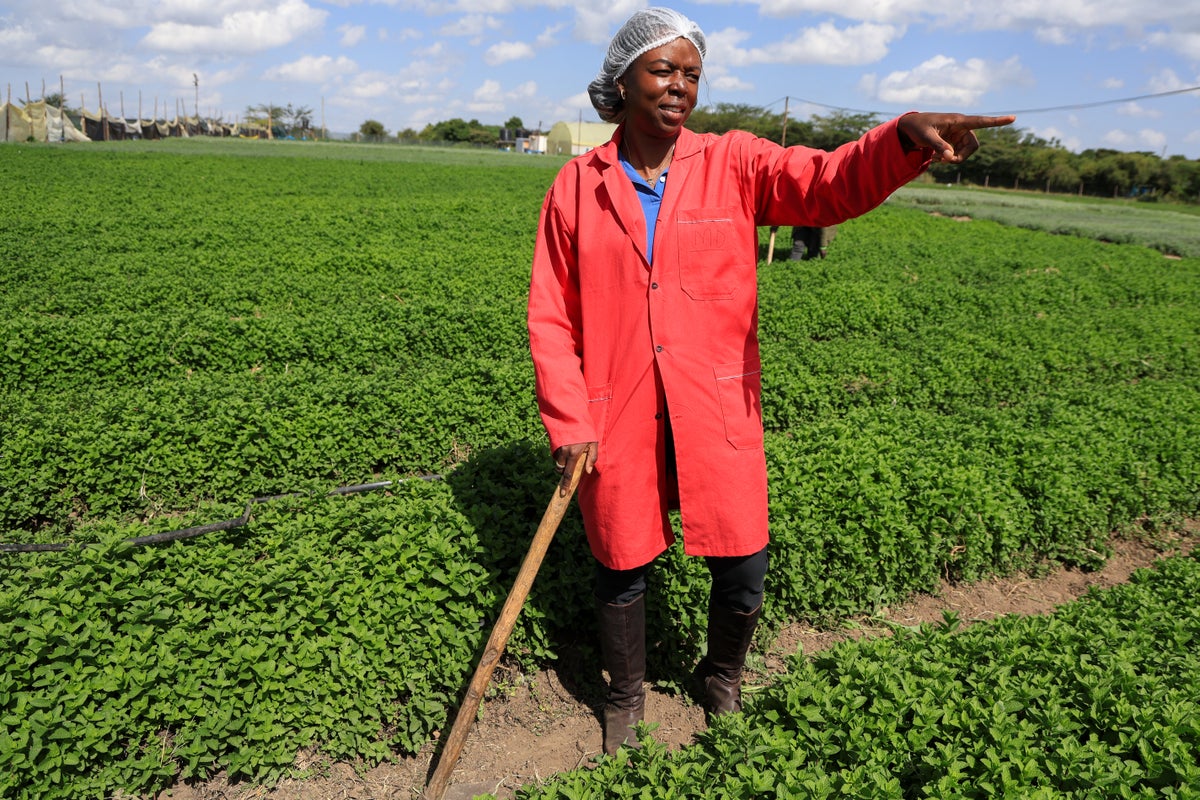
Kenyan farmer Yvonne Anyonyi Mumiah walks between rows of rosemary, basil and other crops in the early morning. She once risked losing much of her harvest to heat and transport delays but now stores produce in a solar-powered cool room operated by SoKo Fresh. SoKo Fresh charges farmers on a pay-per-use basis according to kilograms stored.
Mumiah said the service removed the need to sell immediately after harvest. “The biggest challenge was preserving the quality after harvest,” she said. ” The Food and Agriculture Organisation estimates that up to 40% of food produced in Africa is lost between harvest and market.
Poor storage, transport and processing infrastructure are cited as primary causes. SoKo Fresh reports it has reduced spoilage rates for its customers from up to 50% to under 2% and helped farmers earn up to 50% more per kilogram. Emmanuel Aziebor, regional director for Africa at CLASP, said cold storage remains one of the missing links in Africa’s agricultural value chains.
“When farmers can store produce for longer, they gain access to better markets, reduce waste and increase incomes,” he said. ColdHubs has installed solar-powered walk-in cold rooms in major agricultural markets in Nigeria. Solar-powered refrigeration supports dairy cooperatives in Rwanda, and cold-chain investments are expanding in Ethiopia to serve horticultural exports.
Carol Koech, vice president for Africa at the Global Energy Alliance for People and Planet, said the main remaining task is building enough bankable projects to attract larger investment pools. Denis Karema, CEO of SoKo Fresh, said investors view emerging technologies as high risk because proven business models with reliable returns are still limited.