world
Somali Police Detain Three Journalists in Mogadishu for Questioning After Prison Torture Report
Mohamed Bulbul, Abdihafid Nor Barre and Abdishakur Mohamed Mohamud were detained Friday evening after Bulbul reported on the alleged torture of prisoner Sadia Moalim Ali. They were beaten, threatened with death by the Mogadishu police chief and released early Saturday. The arrests come days before planned protests and as the presidential term ends on 15 May.
May 9, 8:27 AM·2m read1 source
 The Guardian
Audio version
Tap play to generate a narrated version.
Developing·Limited corroboration so far. This page will refresh as more sources emerge.
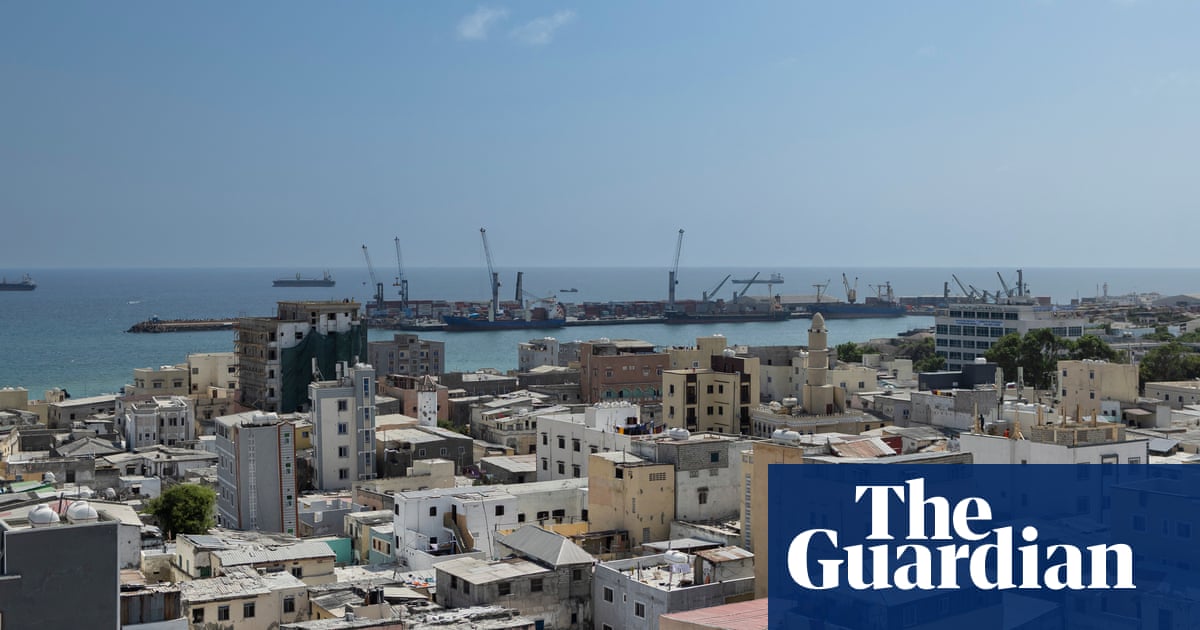
Three journalists were arrested, beaten with pistols and threatened with death by Somali authorities in Mogadishu on Friday evening shortly after one of them published an account of prison torture for The Guardian. Mohamed Bulbul, Abdihafid Nor Barre and Abdishakur Mohamed Mohamud were detained while in a restaurant in the centre of the Somali capital.
Members of Somalia’s US-trained counter-terrorism police unit assaulted them with pistols before taking them to be questioned by police, according to accounts the journalists gave after their release in the early hours of Saturday morning.
At police headquarters the three reporters were threatened by Mahdi Omar Mumin, Mogadishu police chief. Mumin told them he was “tired of arresting journalists” and that if they did not remain silent about the protests and other developments in Mogadishu, including the case of Ali, the only option remaining for them would be “death”.
The Guardian published a story by Mohamed Bulbul on Thursday in which Sadia Moalim Ali, a 27-year-old rickshaw driver imprisoned for peaceful protest and her activism on social media, described being tortured in Mogadishu central prison.
She said she was stripped naked by two male guards in a room monitored by CCTV, kicked, beaten with a baton and left for two days in a small cell without food. Bulbul has been speaking out about security forces’ violations and forced evictions in Mogadishu. He and the two other journalists had been facing sustained threats and intimidation in recent weeks.