South Africa Seeks Nuclear Engineers Abroad for Expansion Plans
South Africa is recruiting nuclear engineers from abroad to support its plans to expand nuclear power capacity. The initiative aims to address a skills shortage and add 5,200 MW of generation by 2039. This forms part of a broader energy roadmap to stabilize the grid and reduce reliance on coal.
 Semafor
South Africa is recruiting nuclear engineers working abroad to support an expansion of its nuclear power capacity. The effort targets skilled migrants and South African expatriates, particularly those in the United Arab Emirates, where many worked on the Barakah Nuclear Plant.
The goal is to provide about a tenth of the nation's electricity through nuclear power. The recruitment is part of a energy roadmap valued at more than $120 billion, intended to stabilize the electricity grid and shift from coal dependency. The nuclear component plans for 5,200 MW of new capacity by 2039 and includes expansions in solar, wind, and gas.
State-owned entities like power utility Eskom and energy regulators face a shortage of skills for this project.
The National Nuclear Regulator's CEO, Ditebogo Kgomo, stated in parliament last week that the organization's current 168 staff members are insufficient for the expanded program. The recruitment drive seeks reactor operators, safety specialists, and engineering consultants to provide immediate support.
It also aims to rebuild local talent pipelines through knowledge transfer from international specialists. The shortage stems from the 2010 cancellation of the Pebble Bed Modular Reactor project, which led thousands of specialists to leave the country.
Many joined opportunities in the United Arab Emirates or U.S.-based startups like X-energy. South Africa had invested more than 9 billion rand, or $550 million, in the project before it was shelved due to delays and costs.
A previous nuclear expansion plan under former President Jacob Zuma, involving 9,600 MW tied to Russia's Rosatom, was halted by courts for lacking parliamentary oversight. The current efforts include recent public hearings by Eskom in the Eastern Cape for the Thyspunt site.
Consultants presented options for building the 5,200 MW plant using traditional reactors or small modular reactors. The state-owned nuclear corporation, NECSA, launched an international search for small modular reactor development partners earlier this year.
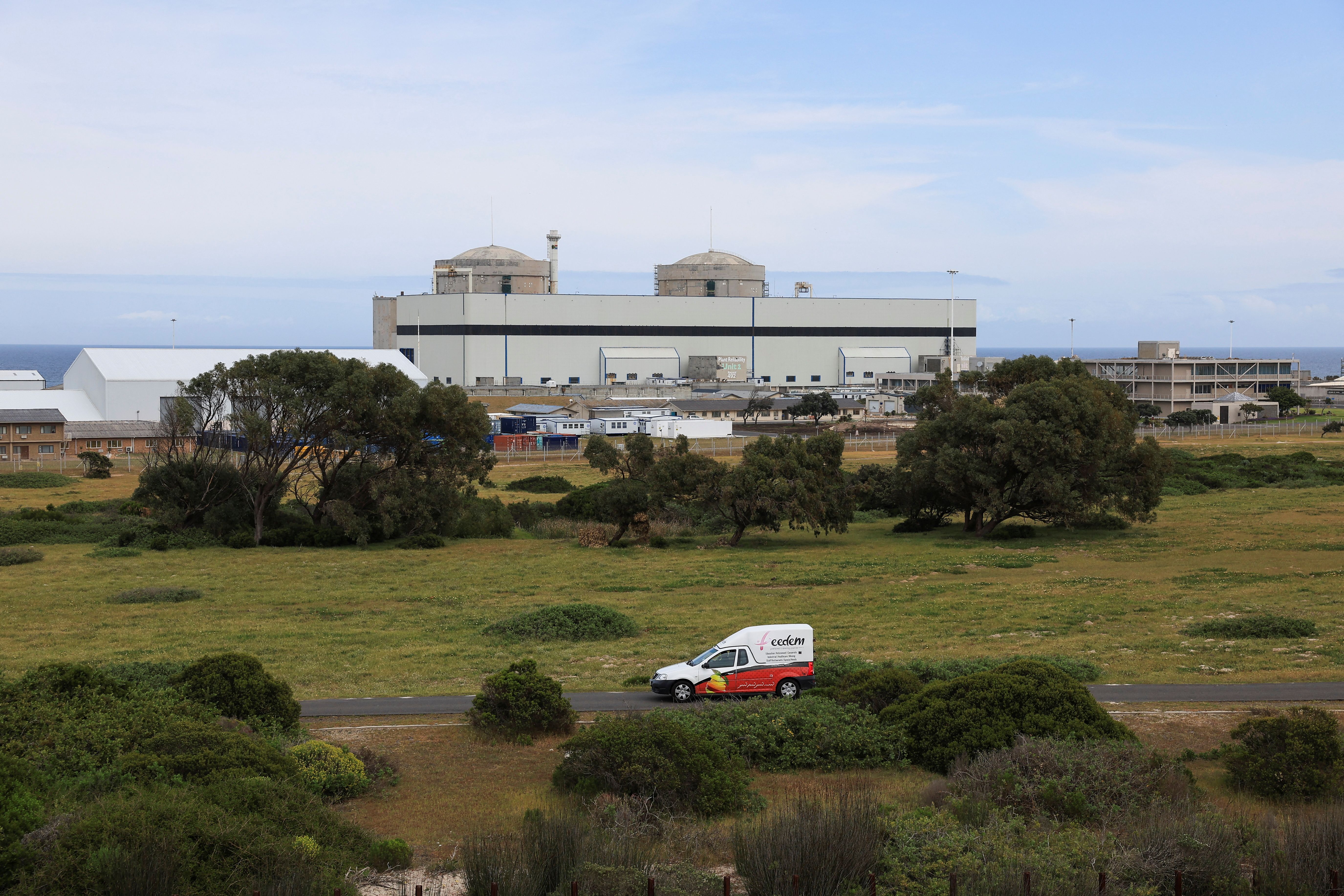
A draft report estimates that construction at Thyspunt could create more than 10,000 jobs. Residents expressed concerns about impacts on fishing grounds, heritage sites, dune systems, and local communities. Another site near the existing Koeberg plant has environmental authorization but faces a court challenge from environmental groups, who argue it is based on outdated data.
More than 20 African countries are exploring nuclear power to address electricity deficits affecting 600 million people.
A Gallup poll indicated that U.S. support for solar and wind has decreased since 2021, while nuclear power has gained public support. The poll showed political divides, with Democrats favoring renewables but showing openness to nuclear, natural gas, and oil. Nuclear power represents a point of convergence between parties.