world
South East Water Bans Hosepipe Use for 850,000 Kent Customers from 3 July
The restriction begins July 3 amid record UK June temperatures and high water demand. A red extreme heat warning covers parts of southern England and Wales on June 25.
 news.sky.com
Audio version
Tap play to generate a narrated version.
Developing·Limited corroboration so far. This page will refresh as more sources emerge.
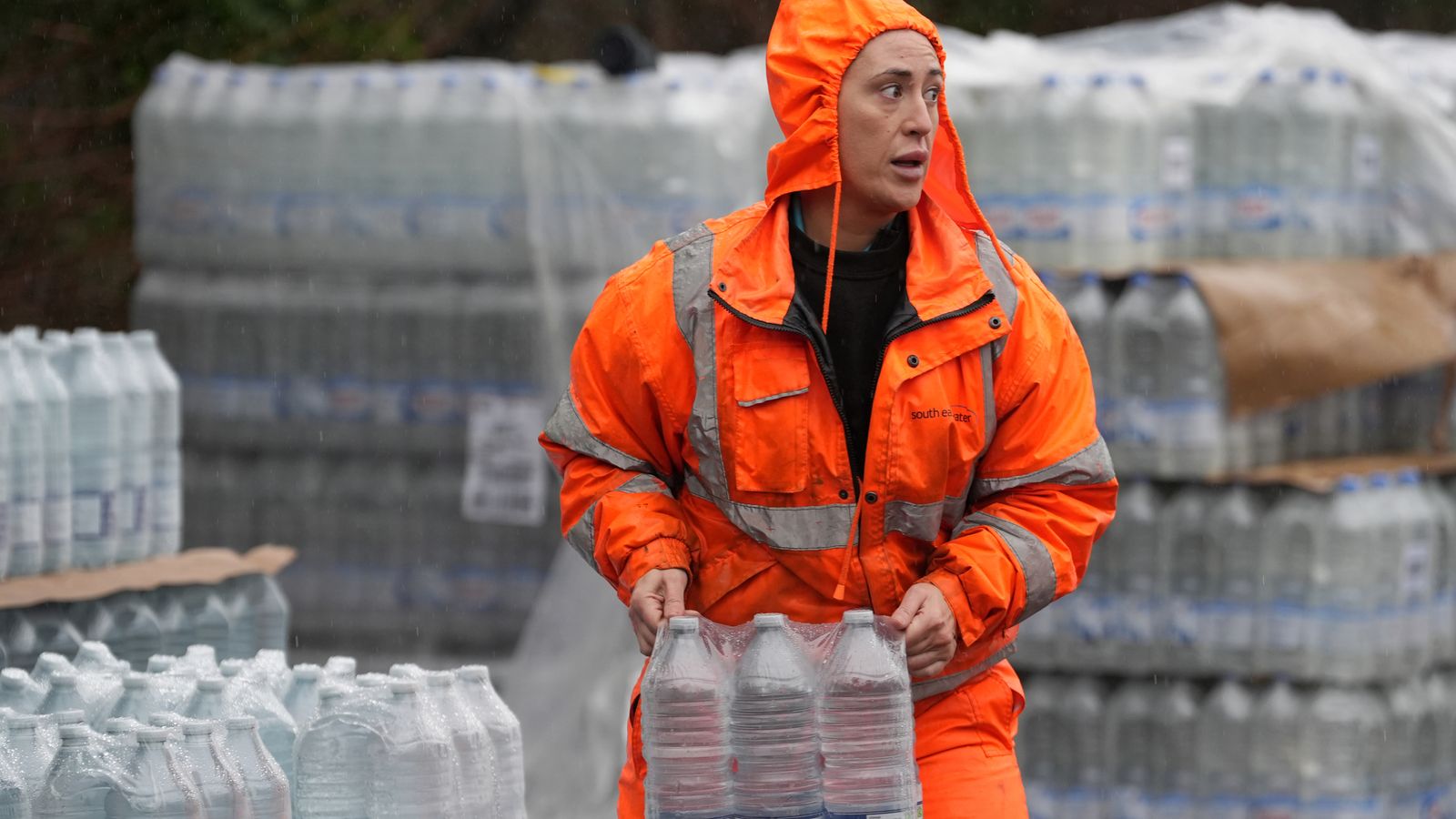
South East Water will restrict hosepipe use for roughly 850,000 customers in Kent starting at 00:01 BST on 3 July. The company cited high temperatures and record demand for water as the reason for the temporary use ban. The move follows the UK's warmest June night on record.
Temperatures at Bute Park in Cardiff did not fall below 23.5 °C overnight, surpassing the previous mark of 22.7 °C set in 1976, the Met Office said. Provisional data also showed a June high of 36.1 °C at Gosport, Hampshire, on 25 June. A red warning for extreme heat remained in force across parts of southern England and Wales on 25 June, with an amber warning covering other areas of England.
Forecasters expected temperatures to reach 36–37 °C in parts of England and 35–36 °C in Wales later in the day. More than 840 schools in Wales closed or partially closed on 25 June because of the heat. The previous day, 837 schools in England either closed, operated on reduced schedules, or offered early pick-up.
Education Secretary Bridget Phillipson said the government was encouraging schools to remain open as a priority while investing in measures to make buildings more resilient to extreme heat. She noted the administration had inherited a large backlog of school repairs.
Train operators including South Western Railway, Thameslink, Northern and Avanti West Coast advised passengers to make only essential journeys.
Several morning services from London Euston and King's Cross were cancelled because of severe weather. At least ten people received hospital treatment for minor heat-related conditions after traffic queues formed on the M25 in Surrey following a serious crash. A scaffolder in Bristol said the 33 °C conditions made the work twice as hard.