South Korea Says It Will Weigh Concrete Steps to Stabilize Strait of Hormuz
Seoul's defense ministry outlined a four-phase plan after the United States and Iran announced a deal to end their war. The strait has been largely closed to shipping since fighting began in late February.
 thehindu.com
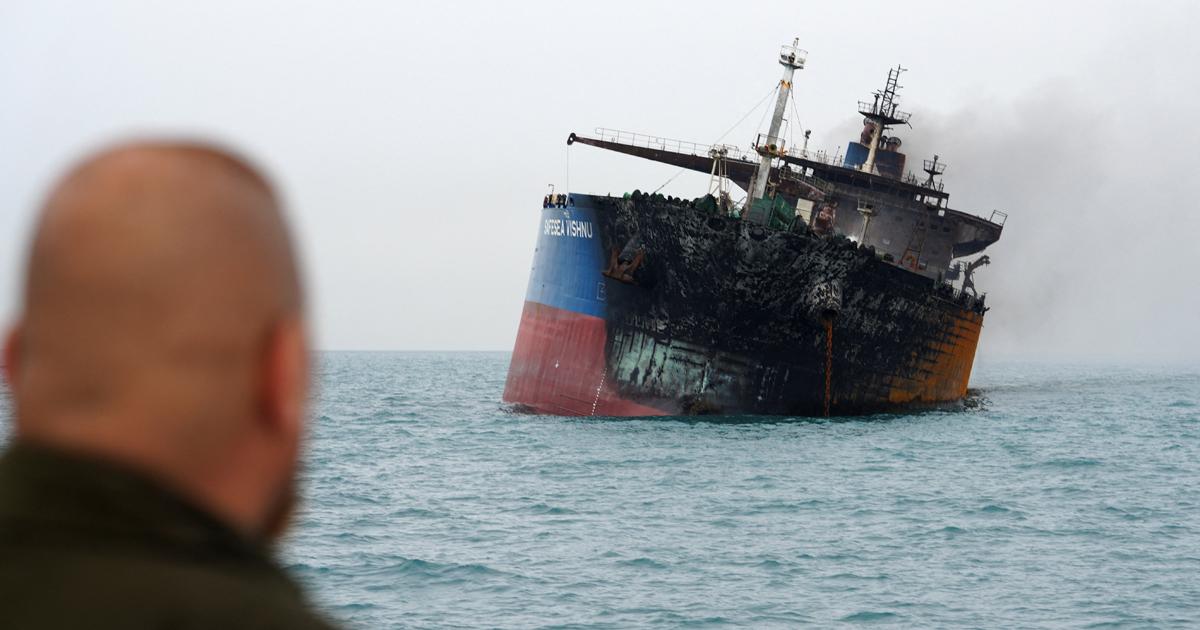
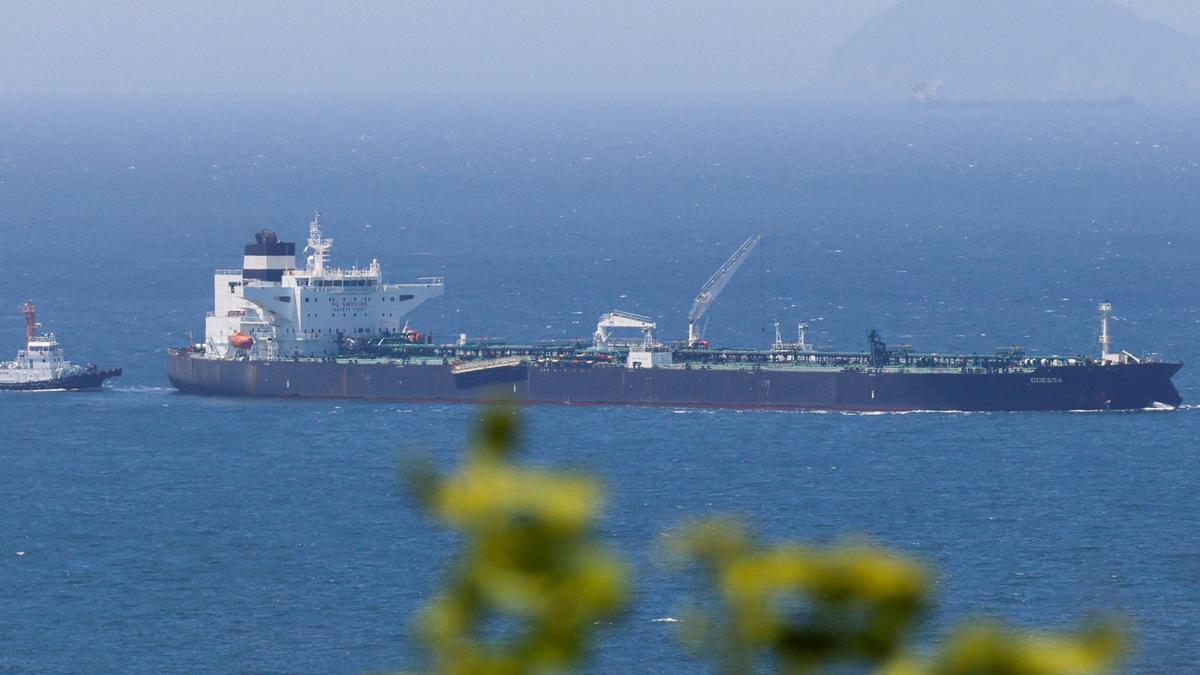
South Korea's defense ministry said Monday it will consider concrete ways to help stabilize the Strait of Hormuz after the United States and Iran announced a deal to end their war. -Iran peace deal is scheduled to be signed later this week. Shipping lanes through the strait have been largely shut since the war broke out in late February.
"We will consider concrete ways to contribute as we take into account the local threat environment, (potential) force deployment and operational capabilities," ministry spokesperson Chung Binna said in a press briefing. "No decisions have been made on whether to deploy military assets or on the types of assets that could be deployed," she said.
The ministry has a four-phase plan that begins with joining international initiatives and participating in information sharing.
Dispatching personnel comes in a later phase, with deployment of military assets as the final stage. Chung said any change of a military mission would require parliamentary approval. She added that Seoul had not received any additional request from the United States to join the Maritime Freedom Construct initiative.
Chung recalled that South Korea has participated in multilateral diplomatic and military discussions led by Britain and France to explore ways to contribute once the war ends. Asked about the possibility of redeploying the anti-piracy Cheonghae unit from the Gulf of Aden to the Strait of Hormuz, Chung reiterated that any such change would need parliamentary approval.
"Any decision on deploying military assets and the types of assets will be made after a comprehensive assessment, and I ask you to take the matter in a cautious manner," she said.