South Korea Prepares for June 3 Local Elections and Parliamentary By-elections
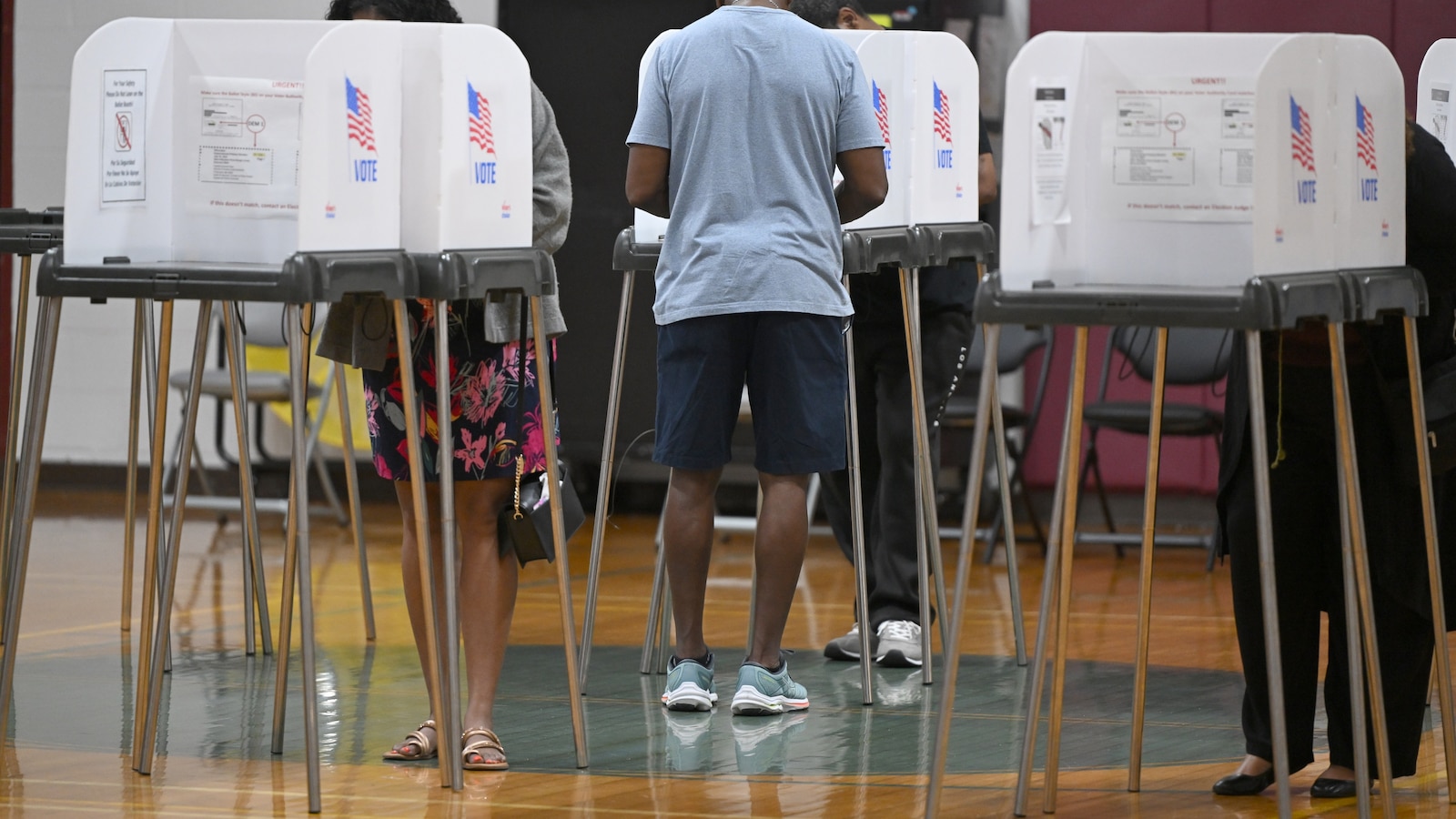
South Korea will hold local elections and by-elections for 14 National Assembly seats on June 3, the first major nationwide vote since President Lee Jae-myung took office last June. The contests will test support for the ruling Democratic Party and the main opposition People Power Party in key regions including Seoul, Busan, Daegu and Gyeonggi Province.
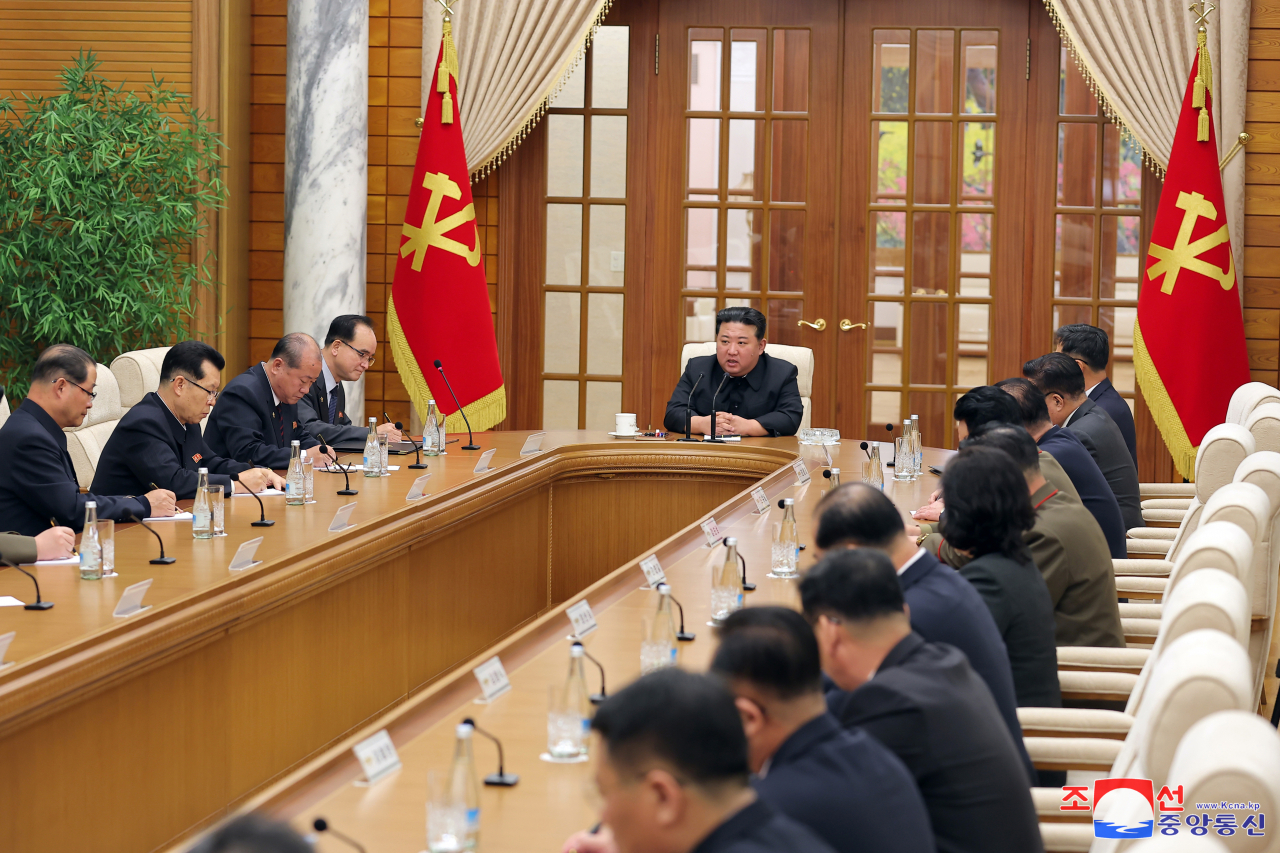
koreaherald.comSouth Korea is preparing for local elections and parliamentary by-elections scheduled for June 3, less than a month away. The vote represents the first major nationwide test for President Lee Jae-myung's administration since it took office last June after former President Yoon Suk-yeol's removal from power.
The elections include races for mayor and governor seats in 16 metropolitan cities and provinces, as well as superintendents of education and heads of smaller administrative units. In addition, by-elections will fill 14 vacant National Assembly seats, most of which became open after lawmakers resigned to run in the local races.
Thirteen of those seats were previously held by the ruling Democratic Party. The by-elections will take place in several regions, including Busan, Daegu, Gyeonggi Province, Incheon, Gwangju, Ulsan, South Chungcheong, North Jeolla and Jeju. Several prominent figures are competing, turning some districts into high-profile contests between the ruling and opposition parties.
In Pyeongtaek, Rebuilding Korea Party leader Cho Kuk will compete against Democratic Party candidate Kim Yong-nam and People Power Party candidate Yu Eui-dong, who is seeking a third term. Attention is focused on whether Han Dong-hoon and Cho Kuk win their races, as both are viewed as potential future presidential contenders.
Seoul, incumbent Mayor Oh Se-hoon of the People Power Party faces Democratic Party candidate Chong Won-o in a contest expected to center on real estate issues. In Gyeonggi Province, Democratic Party lawmaker Choo Mi-ae, a former justice minister, will face Yang Hyang-ja of the People Power Party in a race to determine the country's first female provincial governor since local elections began in 1995.
These include former presidential spokesperson Jeon Eun-soo, contesting a seat in Asan, South Chungcheong Province, and former spokesperson Kim Nam-joon, running in Incheon's Gyeyang-B district.
The People Power Party, with 106 seats, aims to reduce that majority and secure enough seats to block any constitutional revision, which requires 200 votes for passage. The same surveys showed President Lee's approval rating reaching 69 percent in three consecutive polls from late March.
The People Power Party has said it will campaign on what it describes as shortcomings in housing and livelihoods under the Lee administration. Democratic Party leader Jung Chung-rae stated during a party meeting that the elections represent a judgment on forces linked to the previous administration.
Candidate registration will be held for two days starting next Thursday. Official campaigning begins on May 21, and early voting is scheduled for May 29 and 30. A strong showing by the ruling party could provide additional support for its policy agenda.
A stronger performance by the opposition could help it rebuild following the events that led to Yoon Suk-yeol's departure from office.
Key Facts
Story Timeline
5 events- 2026-05-07
Yonhap reports on upcoming June 3 local elections and by-elections as first major test for Lee administration.
1 sourceYonhap - 2026-05-03
Seoul mayoral candidates Oh Se-hoon and Chong Won-o appear together at a public ceremony.
1 sourceYonhap - Mid-April 2026
People Power Party approval rating falls to 15 percent in National Barometer Survey.
1 sourceYonhap - Late March 2026
President Lee Jae-myung records 69 percent approval in three consecutive polls.
1 sourceYonhap - 2026-05-21
Official campaigning for the June 3 elections begins.
1 sourceYonhap
Potential Impact
- 01
Outcome may affect Democratic Party's ability to maintain its 152-seat majority in the 300-member National Assembly.
- 02
Election results are likely to shape legislative momentum for President Lee's policy agenda in the coming year.
- 03
Performance in conservative strongholds such as Busan and Daegu will indicate level of cross-regional support for each party.
- 04
Results could influence whether the opposition reaches the 200 seats needed to block constitutional revision proposals.
Transparency Panel
Related Stories
BBC NewsU.S. Trade Court Rules Trump's 10% Global Tariff Illegal
A federal trade court ruled that President Trump's 10% tariff on most imports, imposed under Section 122 of the 1974 Trade Act, is not authorized by law because no qualifying balance-of-payments deficit exists in a floating exchange-rate system. The 2-1 decision by the U.S. Court…
Substrate placeholder — needs reviewTrump Hosts White House Events for Athletes, Military Mothers and Families of Crime Victims
President Donald Trump joined MLB free agent pitcher Noah Syndergaard and other athletes on May 5, 2026, to mark the reinstatement of the Presidential Fitness Test. Days later, Trump and first lady Melania Trump hosted separate Mother’s Day events honoring Gold Star and military…
The BbcPeter Magyar to Be Sworn in as Hungary's Prime Minister
Peter Magyar will be sworn in as prime minister on Saturday after his Tisza party won 141 seats in parliament in last month's election. The party ended 16 years of rule by Viktor Orban's Fidesz, which fell to 52 seats. The new government faces a large budget deficit, withheld Eur…