world
Southeast Asian Leaders Gather for Summit Amid Economic Fallout from Iran War
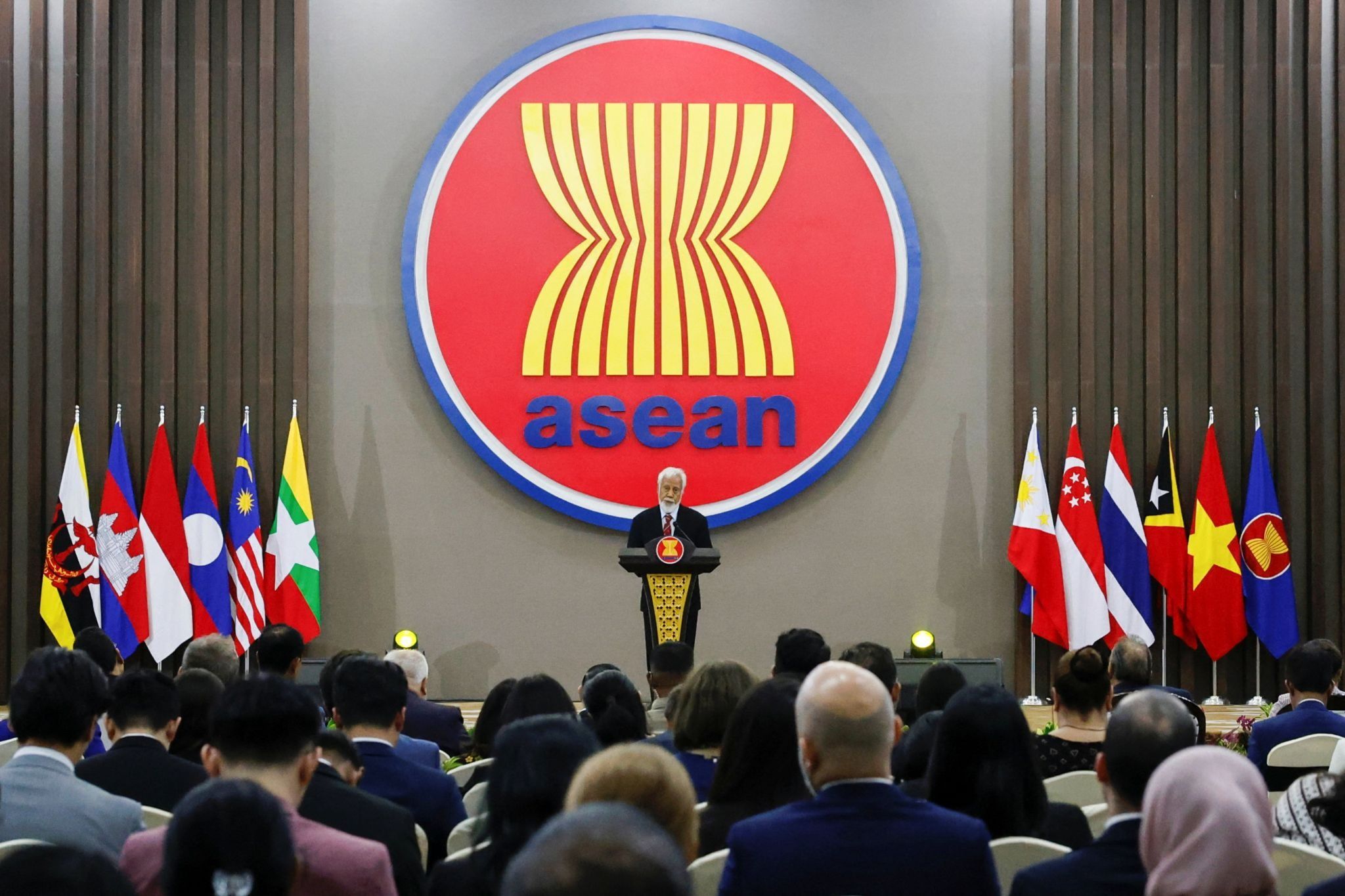
Southeast Asian leaders convened for a summit as their countries face significant economic effects from the Iran war. The gathering occurs as some nations adjust their relationships with the United States and seek ties with China. Thailand reported higher-than-expected inflation on the day of the summit.
May 6, 6:49 AM·1m read1 source
 Semafor
Audio version
Tap play to generate a narrated version.
Developing·Limited corroboration so far. This page will refresh as more sources emerge.
Southeast Asian leaders gathered for a summit on May 6, 2026, as their countries are among those hardest hit by the economic fallout from the Iran war. Washington has long served as the primary ally for the region, which experienced strong economic growth in prior years supported by the American security umbrella.
Malaysia has declared a trade deal with Washington null and void. The Philippines is considering joint energy projects with China. Thailand, which reported higher-than-expected inflation on May 6, is reaching out to Beijing for assistance.
The adjustments reflect broader changes in how some Southeast Asian countries approach relations with major powers. Officials are now balancing those longstanding connections with new partnerships. The ASEAN summit is taking place amid these developments in economic and diplomatic ties.
Foreign Policy described the talks as an event that looks set to be an angry summit. The gathering provides a venue for leaders to address the economic effects of the Iran war and related policy shifts.