world
Space Force awards Boeing $2 billion contract while pursuing commercial options for narrowband satellite communications
The Space Force selected Boeing to build two additional MUOS narrowband communications satellites under a $2 billion contract. The satellites will launch no earlier than 2031 and 2032, extending the constellation's operations through 2035.
 Breaking Defense
Audio version
Tap play to generate a narrated version.
Developing·Limited corroboration so far. This page will refresh as more sources emerge.
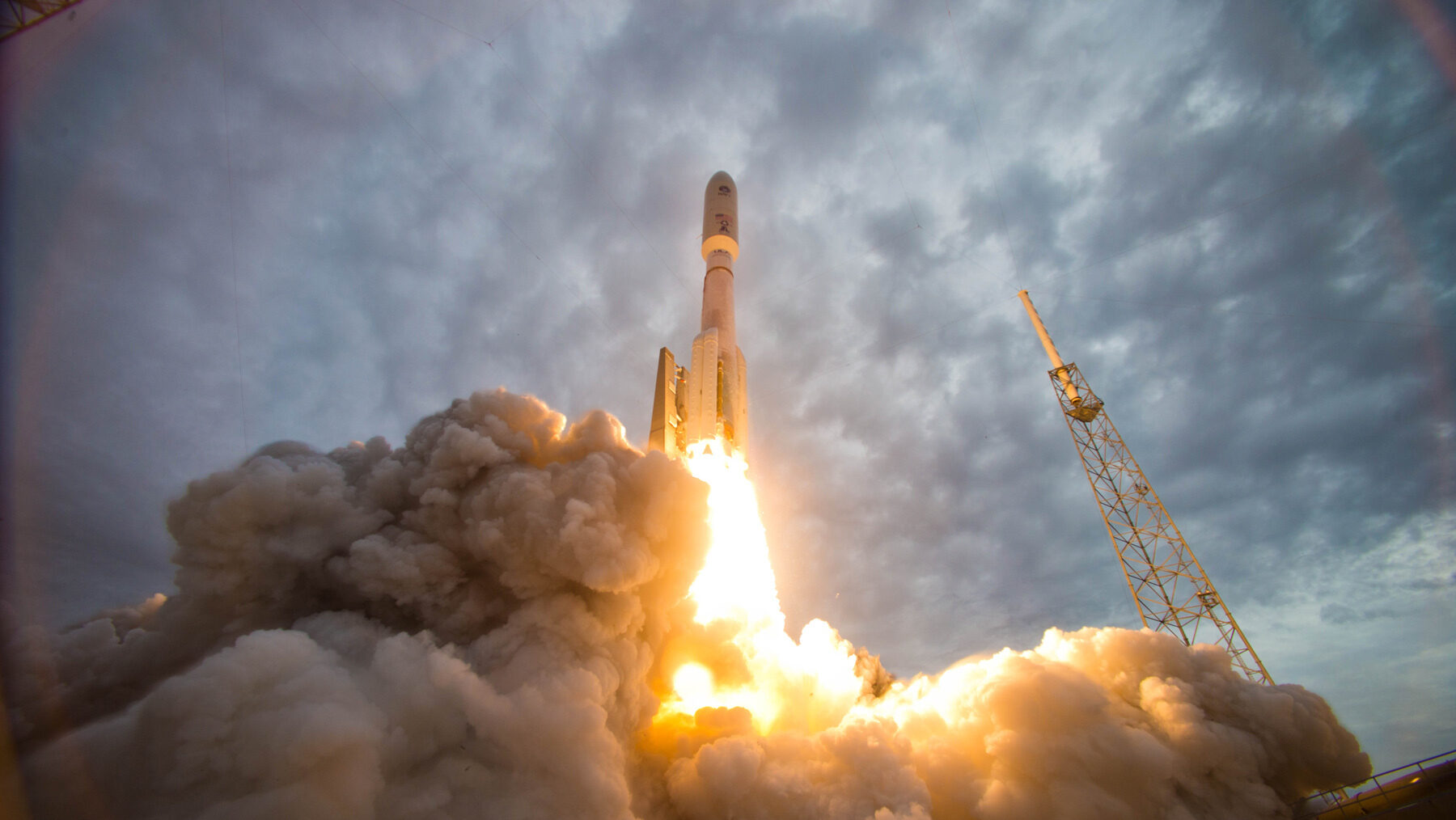
The Space Force awarded Boeing a $2 billion contract to build two additional MUOS narrowband communications satellites, Breaking Defense reported. The contract covers development, delivery, system integration and on-orbit test support under the service's two-year MUOS Service Life Extension competition. The satellites are scheduled to launch no earlier than 2031 and 2032.
They will bring the MUOS constellation to a total of seven satellites. Lockheed Martin built the first five. MUOS provides secure ultra-high frequency satellite communications to U.S. military services and allies, particularly naval forces.
Program responsibility transferred from the U.S. Navy to the Air Force in 2019 and later to the Space Force. Boeing and Lockheed Martin each received a $66 million Phase 1 design contract in 2024. The Space Force had expected launches in 2030 at that time.
The new satellites will allow the constellation to operate until 2035. The Space Force fiscal 2026 budget includes $415 million in research and development funding for MUOS and almost $50 million in procurement funding. The fiscal 2027 request seeks $856 million for research and development and $51 million for procurement, with totals of $2.6 billion and $265 million respectively through 2031.
Since mid-2023 the Space Force has been developing a long-range strategy to transfer some or all narrowband communications missions to commercial providers.