politics
Spirit Airlines Shuts Down Operations and Cancels All Flights
Low-cost carrier Spirit Airlines announced an immediate shutdown after failing to secure a bailout, affecting thousands of passengers and 17,000 employees. The U.S. government outlined relief measures including capped fares from other airlines. Refunds are being processed, but rebooking assistance is limited.
Apr 29, 5:00 AM·2m read45 sources UNFI+27
 The Independent
Audio version
Tap play to generate a narrated version.
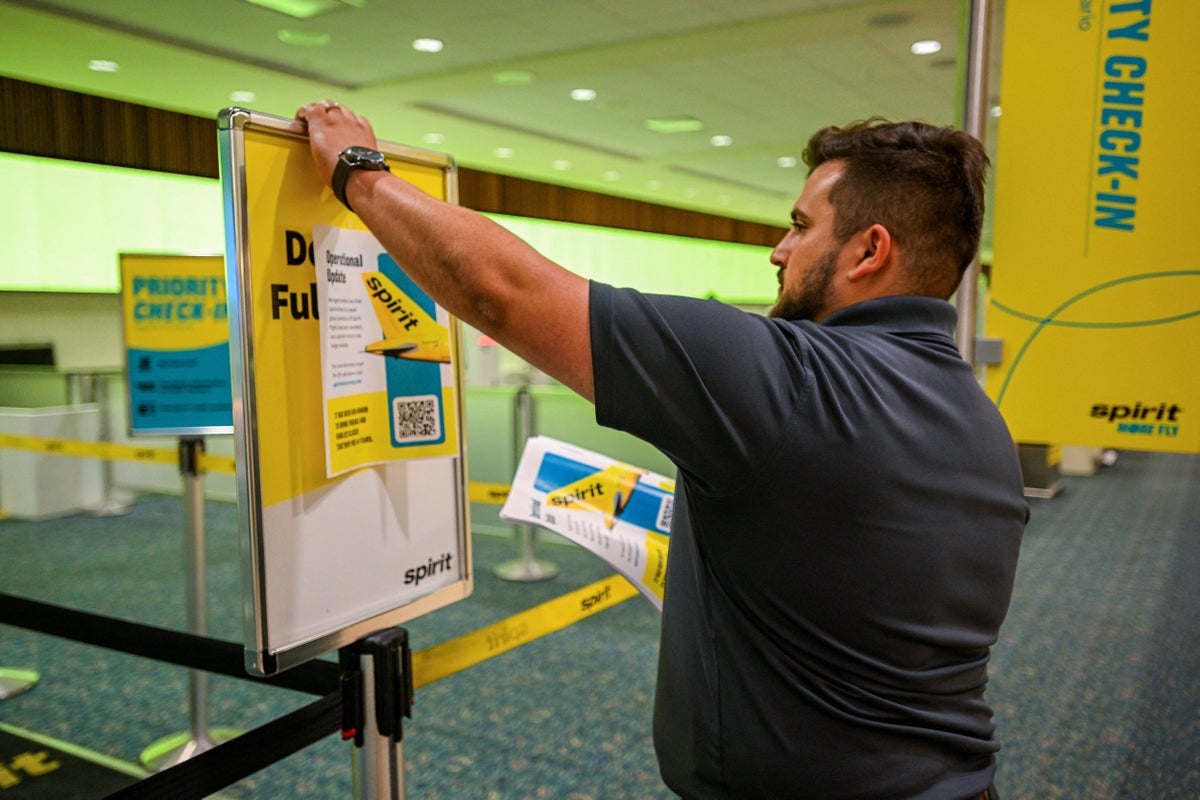
Spirit Airlines ceased operations immediately after 34 years, canceling all flights and leaving passengers to seek alternatives. The announcement came early Saturday, with the company stating on its website that customer service is no longer available.
No deal was reached with the Trump administration for a proposed $500 million rescue package despite discussions. The airline had been in bankruptcy proceedings for the second time in less than two years, burdened by rising costs and debt exceeding $8 billion.
Spirit reported losses of more than $2.5 billion since 2020, according to court filings. Capacity was sharply reduced, with about half as many seats available this month compared to May 2024.
Sean Duffy announced that other airlines would offer special prices for affected travelers for a limited time. Major carriers including United, Delta, JetBlue, Southwest, American Airlines, Allegiant, and Frontier committed to capping or reducing fares on overlapping routes.
These airlines also extended travel benefits and preferential employment interviews to Spirit's pilots, flight attendants, and other employees.
“We are proud of the impact of our ultra-low-cost model on the industry over the last 34 years and had hoped to serve our guests for many years to come.”
The U.S. government advised passengers to check with credit card companies or travel insurance for refunds. Spirit stated it would automatically issue refunds for direct bookings but could not assist with rebooking. Passengers who booked through travel agents were told to contact those agents directly.
About 17,000 jobs are impacted, according to Spirit lawyer Marshall Huebner. Labor unions representing pilots, flight attendants, and ramp workers expressed concerns that the collapse would reduce competition and increase airfares. Budget travelers in areas like Las Vegas, Fort Lauderdale, and Orlando, where Spirit had a significant presence, are expected to feel the effects most.