Spiro Raises $215 Million to Expand Battery-Swap Electric Motorcycles in Africa
The African electric vehicle company announced the equity round on Monday. Institutional investors from Europe and Africa participated, including Denmark’s Impact Fund.
 The Independent
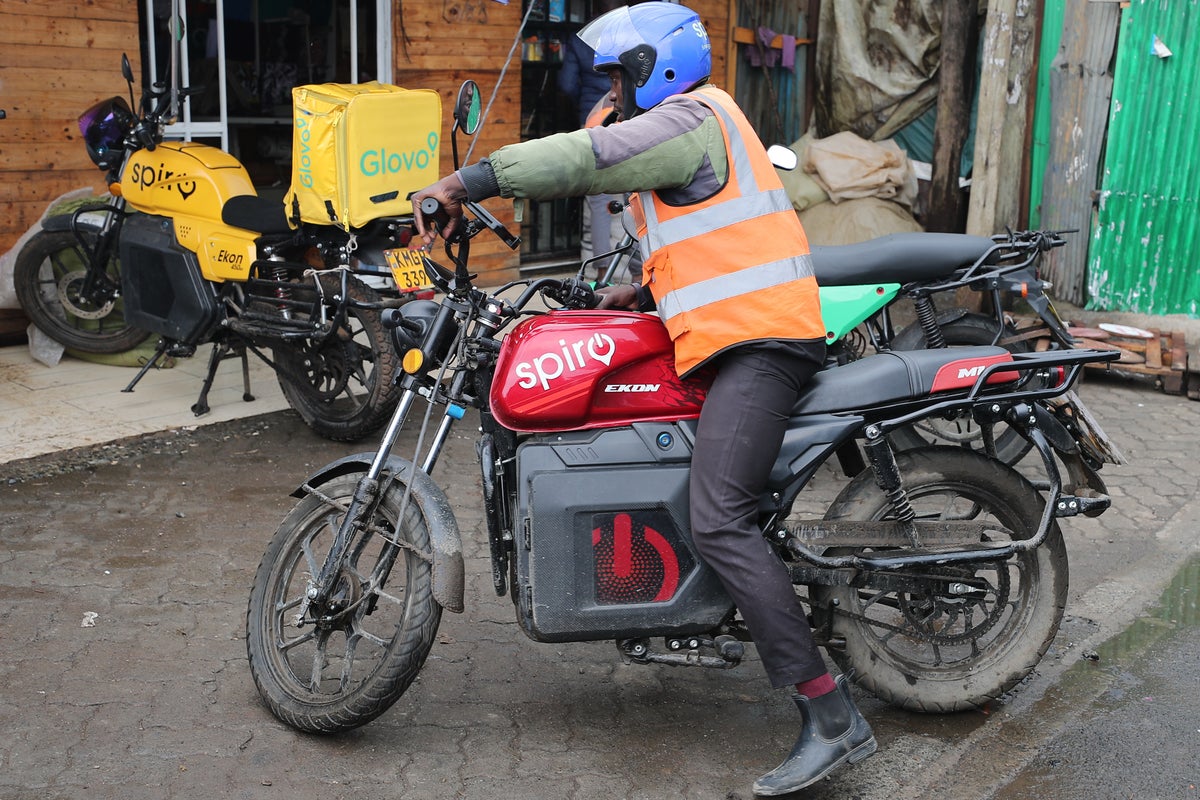
Spiro announced Monday that it had raised $215 million in equity financing to expand its battery-swapping network and electric mobility operations across Africa. The round drew institutional investors from Europe and Africa, including Denmark’s Impact Fund. Gagan Gupta, founder of Spiro and chair of Equitane, said the past year marked a defining strategic milestone for the company.
He added that the next growth phase would focus on delivering transport alternatives to millions of riders across the continent. Spiro operates in Kenya, Rwanda, Uganda, Togo, Benin, Nigeria and Cameroon. The company runs manufacturing plants in Kenya, Rwanda and Uganda, and maintains a battery recycling facility in Nigeria.
The new capital will support expansion of the battery-swapping network, strengthen local manufacturing and assembly operations, and accelerate entry into the Democratic Republic of Congo and Ethiopia. Spiro did not disclose the valuation tied to the round. Lars Bo Bertram, CEO of Impact Fund Denmark, said the investment reflected confidence in Africa’s electric mobility market.
Riders using Spiro’s electric motorcycles can cut daily transport costs by up to 40 percent and save as much as $2 per day compared with gasoline-powered models. The company is also developing solar-powered battery-swapping stations and second-life battery storage systems.
Electric motorcycles are emerging as a major growth segment in Africa, where two-wheelers dominate urban transport and delivery services in many cities.
The funding comes as African countries seek to reduce dependence on imported fossil fuels, improve energy security and modernize urban transportation amid rising fuel prices and growing demand for affordable mobility.
Transparency
Reported by a single outlet. This score reflects source tier and factual specificity — corroboration is limited with one source.
Story details
Related Stories
 The Japan Times
Finland Prepares to Begin Permanent Burial of Spent Nuclear Fuel at Onkalo Repository
The Onkalo geological repository in Eurajoki, Finland, is nearly ready to begin permanent underground storage of radioactive spent nuclear fuel. The facility, blasted into 1.9 billion-year-old bedrock, is expected to be the world's first of its kind.
 indiatoday.intoday.in
Iran war raises jet fuel costs and cuts flights to Southeast Asia
Elevated fuel prices and route changes linked to the Iran conflict have prompted airlines to cancel flights and increase fares to tourism-dependent countries. Tourism revenue supports millions of jobs and contributes up to 13 percent of GDP in Thailand.
 rediff.com
Pentagon Reports $29 Billion Spent on Iran Conflict Through Mid-May
The Pentagon has released updated figures showing U.S. military spending on the Iran conflict reached $29 billion by May 12. Officials and independent analysts differ on total costs and what expenses should be included.