ai
States Advance Targeted AI Laws After Federal Inaction
State legislatures have introduced more AI-related bills this year than last, focusing on chatbot interactions with children and employer use of AI systems. Congress has not passed federal AI rules, leaving states to address specific applications.

 winnipegfreepress.com
Audio version
Tap play to generate a narrated version.
State lawmakers have introduced more bills regulating artificial intelligence this year than last year, according to Justine Gluck, policy director of the Future of Privacy Forum. The measures target how chatbots interact with children, require employers to disclose AI use in hiring, and mandate safety protocols for advanced AI models.
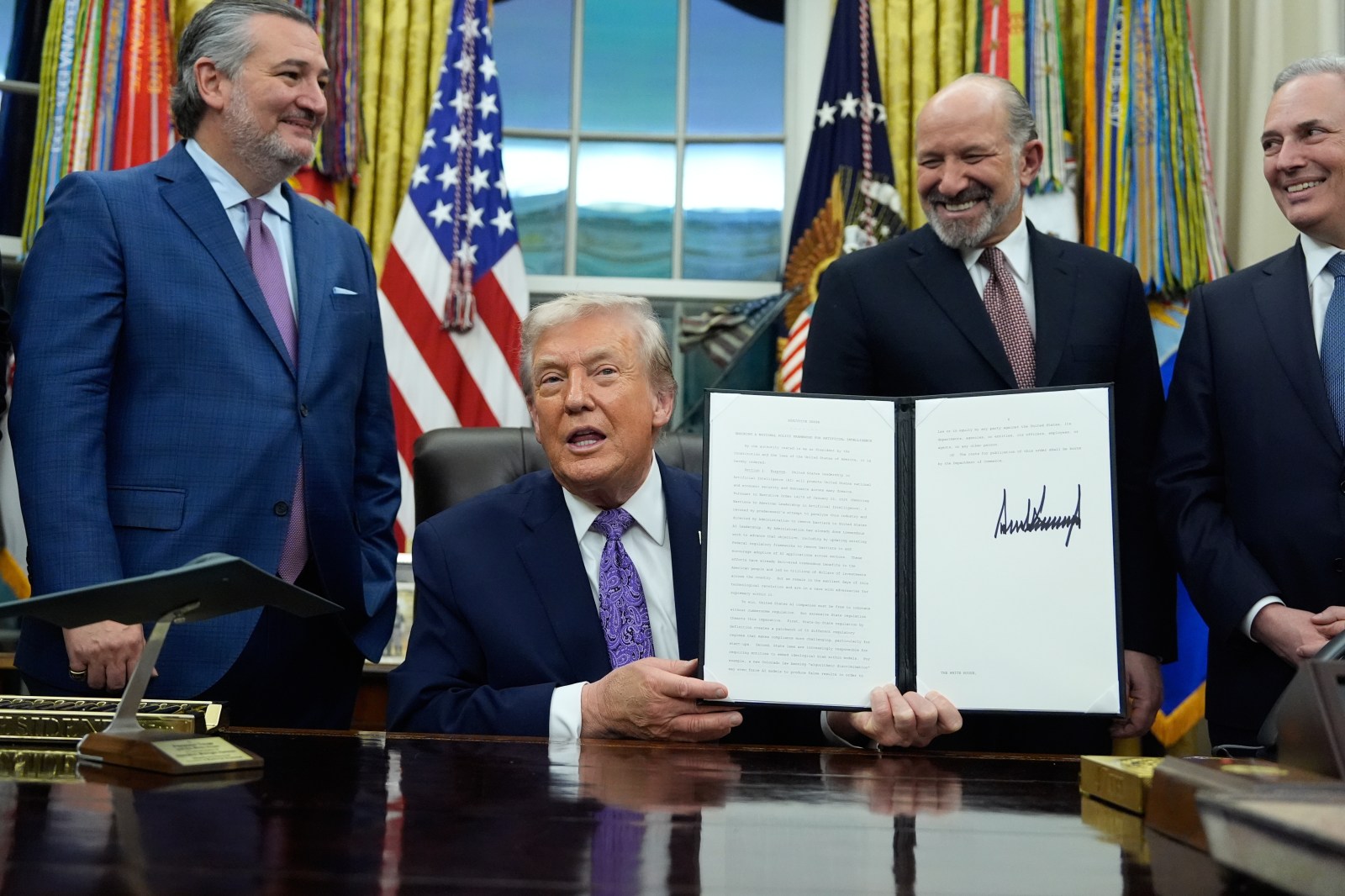
Trump issued an executive order directing the attorney general to create a task force to challenge state laws deemed more than minimally burdensome and instructed the Commerce Department to list problematic regulations. The order also threatened to restrict funding from broadband and other grant programs to states with AI laws, though the White House said it would not target measures preventing fraud or protecting consumers and children.
The administration released a national policy framework urging Congress to preempt state AI laws and pass legislation on children, intellectual property, and free speech.
Illinois legislation awaiting action by Democratic Gov.
JB Pritzker requires developers of large AI models to create protocols preventing catastrophic outcomes and mandates independent audits of compliance. Democratic state Sen. Mary Edly-Allen, the bill's sponsor, said the measure drew nearly unanimous support.
Colorado, Connecticut, Idaho, Iowa, Nebraska, and Oregon enacted laws this year requiring companies to disclose when people interact with AI and restricting chatbot access for minors. Connecticut added rules for companion chatbots that bar interaction with users under 18 unless the system discourages self-destructive behavior and gives parents control tools.
Colorado requires disclosure when AI influences decisions in employment, education, housing, or banking. Connecticut, Washington, and Utah require AI developers to embed data in digital content allowing users to identify AI-generated material. California lawmakers are advancing the No Robo Bosses Act of 2026 to prohibit sole reliance on AI for firing or disciplining workers and to expand chatbot regulations.