finance
Steel Tariffs Keep Canned Food Production Costs Elevated
The cost of steel for food cans remains high as manufacturers continue to import the material from overseas despite U.S. Steel's plans to reopen a tin-plate factory. Tariffs imposed on imported steel have contributed to elevated prices for canned goods. The situation affects food producers and consumers across the United States.
May 12, 5:01 AM·1m read1 source
 nbcnews.com
Audio version
Tap play to generate a narrated version.
Developing·Limited corroboration so far. This page will refresh as more sources emerge.
The cost to put food in cans remains high because manufacturers must still import steel from overseas, according to an industry analysis. Tariffs on imported steel have kept production expenses elevated for canned food makers even as some domestic capacity returns.
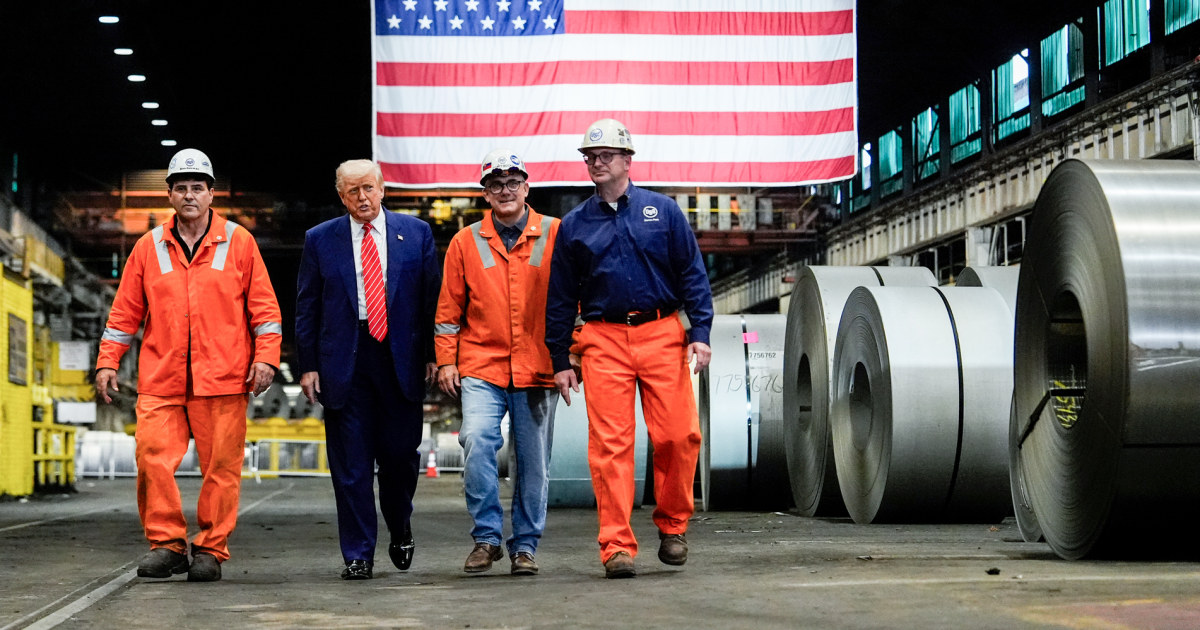
U.S. Steel plans to reopen a tin-plate factory. The move is expected to eventually increase domestic supply of the specialized steel used in food packaging, though the timeline for meaningful impact remains unclear.
Food manufacturers have continued importing steel despite efforts to boost U.S. production. This reliance stems in part from tariffs that raised the price of foreign steel, which in turn increased costs passed along to consumers of canned goods. The higher expenses have affected a range of products from vegetables and soups to beverages packaged in metal cans.
Industry representatives have noted that the tariffs, first implemented in prior years, continue to shape sourcing decisions for many companies.
Factory Reopening Plans U.S.
Steel's decision to restart a tin-plate facility represents one effort to address domestic shortages. The factory reopening could reduce dependence on imports over time if production ramps up sufficiently to meet food industry demand. However, the full effect on canned food prices will depend on how quickly the new output comes online and whether it displaces higher-cost imported steel.
Current market conditions suggest costs for consumers are likely to stay elevated in the near term.