Stem cell embryo models recreate early pregnancy stages in lab
Researchers have created embryo models from stem cells that mimic the first days after fertilization. The models allow scientists to observe implantation and test factors that affect success rates.
 rte.ie
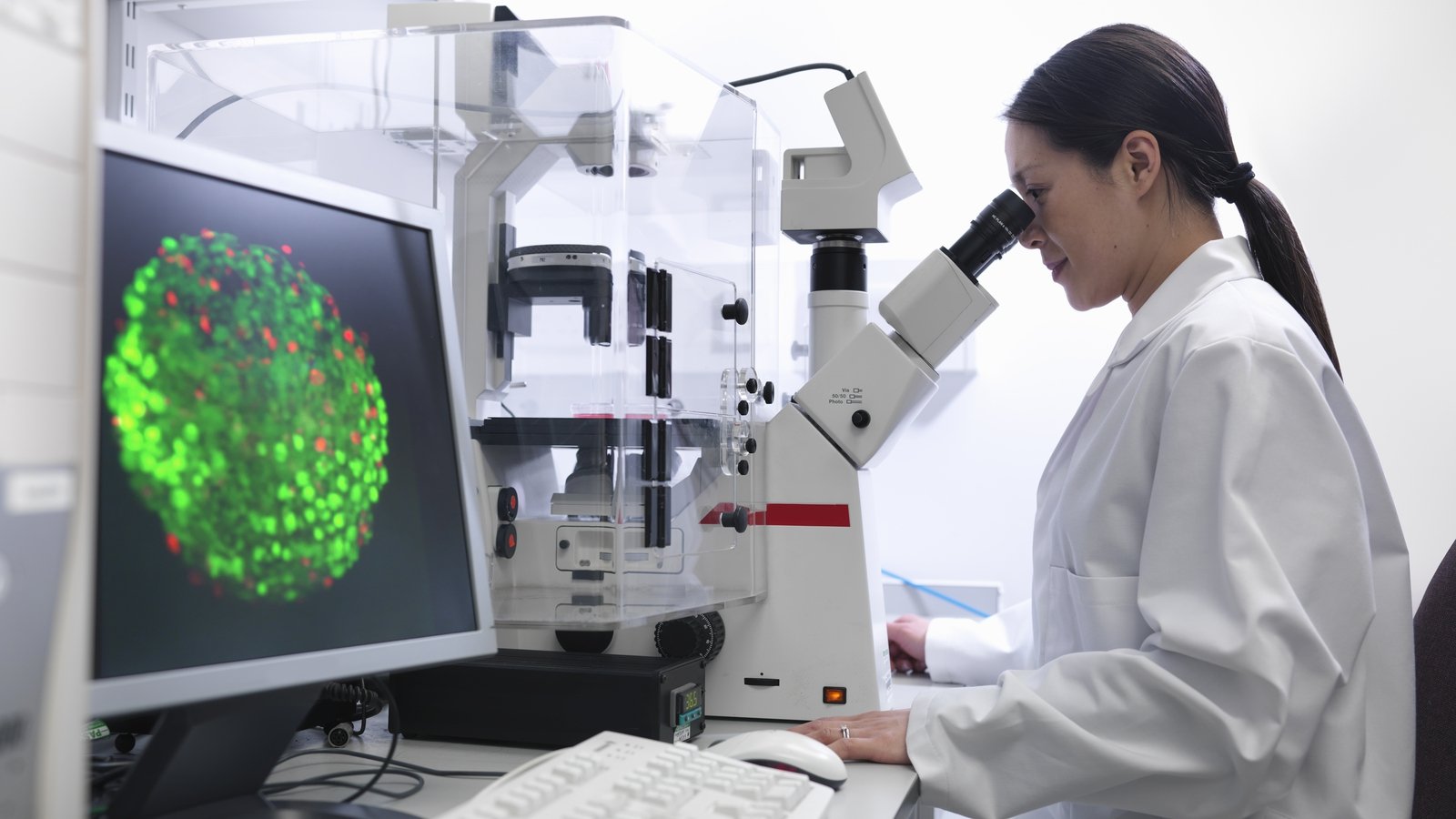
Scientists in multiple laboratories have developed embryo models called blastoids from human stem cells. The models form hollow spheres that resemble early embryos and can be used to study implantation outside the body. In Vienna, a team led by Nicolas Rivron created blastoids that were placed into a three-dimensional model of the uterine lining.
More than 80 percent of the models implanted within three days. At the University of Texas Southwestern Medical Center, Jun Wu and colleagues built small chips containing uterine tissue samples. When blastoids were added, about 60 percent implanted; the rate dropped to 20 percent when tissue came from people who had multiple failed IVF attempts.
Testing drug effects on implantation The Texas researchers screened more than 1,000 previously approved drugs and identified several that raised implantation rates by up to 60 percent in some samples. Work continues to find a drug effective across most tissue types.
IVF procedures Start-up companies are using the models to develop tests that predict whether an embryo transfer will succeed. One firm grows uterine tissue from a client’s sample and checks whether blastoids implant. Another company identified seven metabolites that improved embryo quality markers by day five of development.
Researchers say the models allow experiments that cannot be performed on actual human embryos.
Transparency
Reported by a single outlet. This score reflects source tier and factual specificity — corroboration is limited with one source.
Story details
Related Stories
 jpost.com
Ebola Cases in Central Africa Rise from 256 to About 1,000 in Eleven Days
Suspected and confirmed Ebola cases in the Democratic Republic of the Congo and Uganda increased from 256 on 16 May to roughly 1,000 by 27 May. The World Health Organization reported about 240 deaths during the same period.
 medpagetoday.com
FDA Panel Recommends XFG Variant for Fall Covid Shots
Replimune will submit an application to the FDA for the third time. Pfizer and Innovent Biologics reached a collaboration agreement valued at up to $10.5 billion.