world
Strait of Hormuz Closure Delays Nutrition Supplies for Somali Children
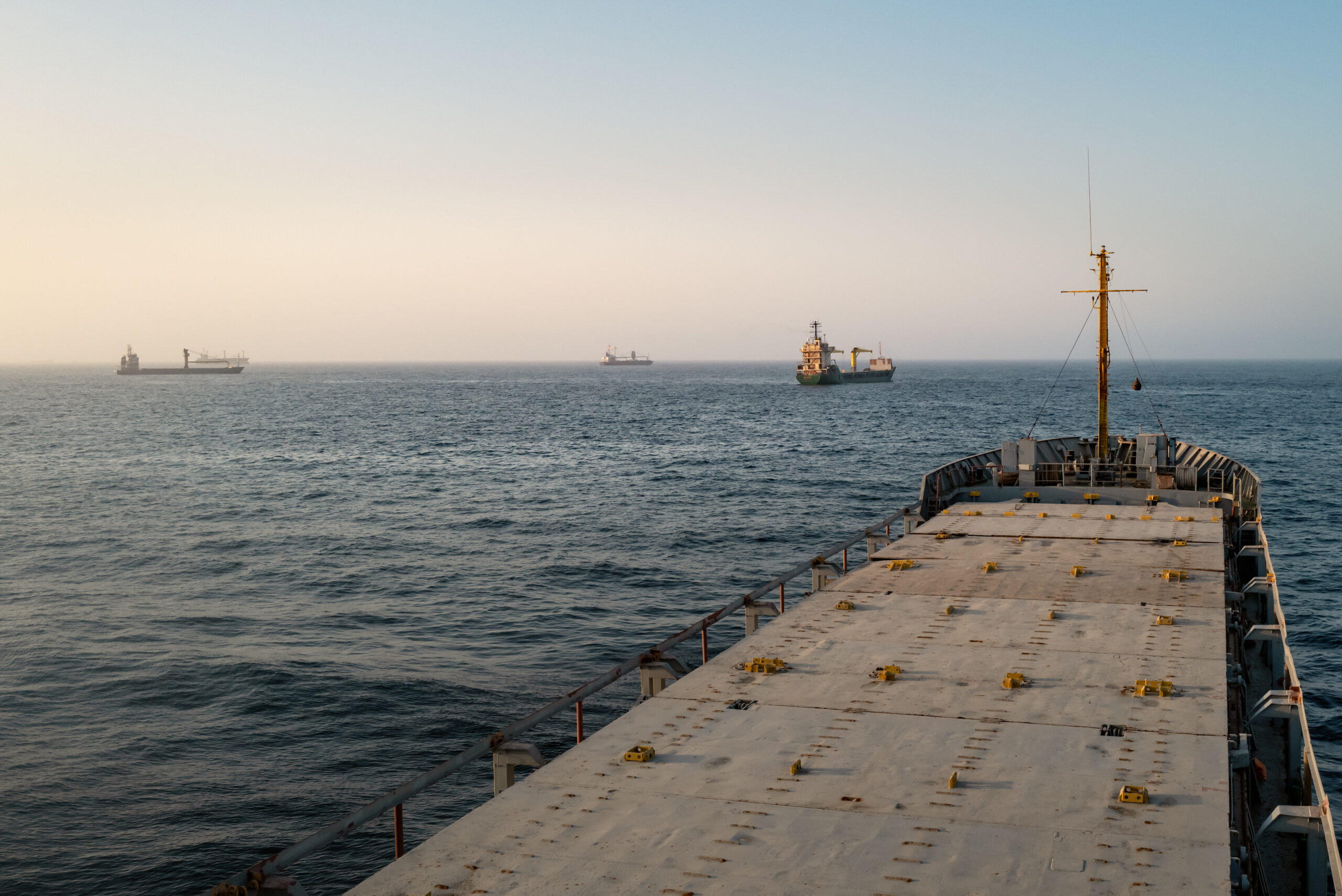
The closure of the Strait of Hormuz following the outbreak of war in the Middle East in late February has doubled shipping times for therapeutic nutrition products used to treat severe acute malnutrition in Somalia. Delivery times for therapeutic milk and Ready to Use Therapeutic Food have increased from 30-35 days to 55-65 days, driving up costs by nearly 44 percent since 2024.
May 12, 5:51 AM·1m read1 source
 naturalnews.com
Audio version
Tap play to generate a narrated version.
Developing·Limited corroboration so far. This page will refresh as more sources emerge.
The closure of the Strait of Hormuz has disrupted global supply chains that deliver therapeutic nutrition products to Somalia, where acute malnutrition affects an estimated 1.84 million children under five this year. When war began in the Middle East in late February, shipping traffic through the strait dropped sharply.
The number of vessels transiting the waterway fell from roughly 3,000 per month before the conflict to 154 in March.
Before the closure, therapeutic milk formulas F-75 and F-100 and Ready to Use Therapeutic Food reached Mogadishu in 30 to 35 days via the Suez Canal and Gulf of Aden. Ships must now travel around the African continent, extending delivery times to 55 to 65 days.
The longer routes have also introduced greater uncertainty about arrival dates. A carton of therapeutic milk that cost $139 in 2024 rose to $186 in 2025 after USAID funding cuts and has since increased to $200 in 2026. Fuel costs inside Somalia have surged by 150 percent, raising both household food prices and the expense of transporting supplies from Mogadishu to remote program sites.
Action Against Hunger, which operates 10 of the 52 remaining stabilization centers in the country, currently holds only 69 cartons of therapeutic milk. That supply is expected to last between two weeks and one month under current demand. Admissions at its facilities increased 35 percent between the first quarter of 2025 and the first quarter of 2026.
The number of stabilization centers nationwide has declined from 71 to 52 following facility closures earlier this year. A funding gap of $2.9 million remains for nutrition interventions through the end of 2026, covering both product procurement and in-country transportation. Treating a child for severe acute malnutrition costs between $140 and $213.