Substrate
world

Strait of Hormuz Closure Drives Up Global Petrol, Food and Energy Prices

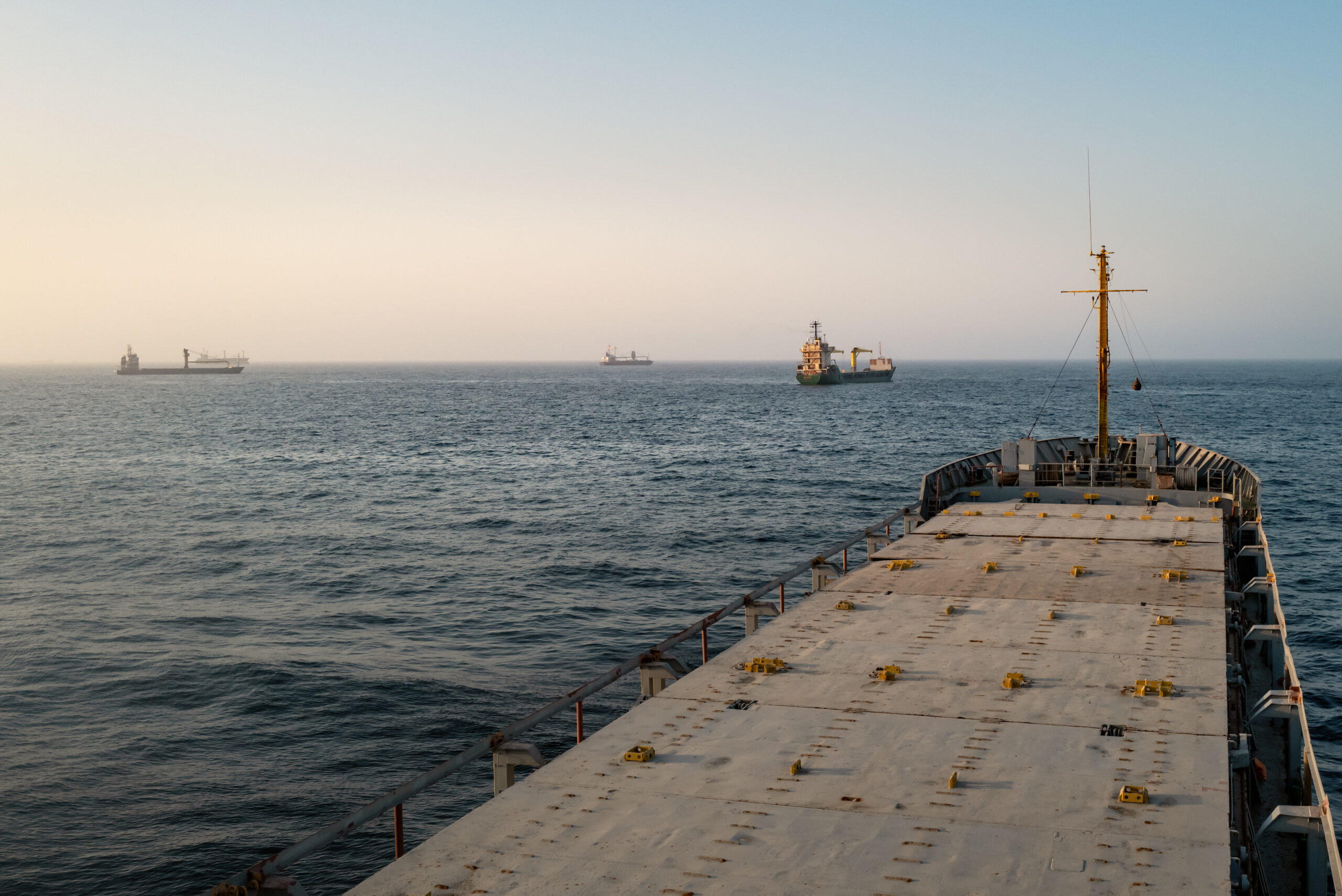
The closure of the Strait of Hormuz has caused increases in prices for petrol, food and energy bills around the world. Energy and climate policy expert Robert Palmer said the situation should accelerate the shift toward renewable energy sources. The waterway is a critical route for oil shipments from the Middle East.

AJ
wsws.org
2 sources·May 9, 10:47 AM(20 days ago)·1m read
Strait of Hormuz Closure Drives Up Global Petrol, Food and Energy Priceswsws.org
Audio version
Tap play to generate a narrated version.
Developing·Limited corroboration so far. This page will refresh as more sources emerge.

The closure of the Strait of Hormuz is pushing up prices for petrol, food and energy bills worldwide, according to reports. Energy and climate policy expert Robert Palmer stated that the crisis should encourage greater adoption of renewable energy. The strait serves as a vital passage for a significant portion of global oil shipments.

Higher fuel costs are feeding through to transportation expenses, which in turn affect the price of goods including food. Households are also facing elevated energy bills as a direct result of the disruption.

Palmer said the current situation highlights the need to reduce reliance on fossil fuels. He argued that the price shocks should prompt policymakers to accelerate the transition to renewable sources. The increases come as supply chain adjustments are made following the closure. No further details on the duration of the closure or specific percentage rises were provided in initial reports.
Key Facts

Strait of Hormuz closed
causing worldwide price rises
Petrol prices rising
due to disrupted oil shipments
Food prices increasing
from higher transport costs
Energy bills up
affecting households globally
Robert Palmer
calls for renewable energy shift

Potential Impact

  1. 01

    Households worldwide face higher energy and fuel costs.

  2. 02

    Food prices are expected to rise in multiple countries.

  3. 03

    Businesses dependent on oil transport incur higher operating expenses.

  4. 04

    Policymakers may review renewable energy investment plans.

Transparency Panel

Sources cross-referenced2
Confidence score65%
Synthesized bySubstrate AI
Word count152 words
PublishedMay 9, 2026, 10:47 AM
Bias signals removed2 across 1 outlet
Signal Breakdown
Speculative 1Framing 1

Related Stories

WHO Chief Visits DRC as Ebola Death Rate Reaches 30-50%The Guardian
world59 min ago

WHO Chief Visits DRC as Ebola Death Rate Reaches 30-50%

World Health Organization director-general Tedros Adhanom Ghebreyesus arrived in the Democratic Republic of the Congo to support containment of a new Ebola outbreak. The agency revised the death rate to 30-50% based on confirmed cases and recorded 10 confirmed and 223 suspected d…

SK
The Guardian
2 sources
Greek National Charged in UK With Aiding Iran-Linked Intelligence Servicewesternjournal.com
world59 min ago

Greek National Charged in UK With Aiding Iran-Linked Intelligence Service

A 46-year-old Greek man living in Germany was charged under the UK National Security Act with assisting an intelligence service believed to be Iran by targeting a journalist at Iran International.

Reuters
BBC News
2 sources
Bilt Rewards reports $1 billion revenue target for 2026physicianonfire.com
world59 min agoDeveloping

Bilt Rewards reports $1 billion revenue target for 2026

Bilt Rewards CEO Ankur Jain said the company's flagship credit card accounts for less than 11 percent of revenue. The firm now processes more than $100 billion in annual housing spend across one in four U.S. apartment buildings.

FO
1 source