politics
Strait of Hormuz Ship Traffic Falls More Than 95 Percent Since February
Only five vessels traversed the Strait of Hormuz in the past 24 hours using the Iranian traffic separation scheme. Daily transits averaged roughly 100 ships before U.S.-Israeli strikes on Iran in late February. Traffic has remained near six to seven ships per day since then, even after an April 8 ceasefire.
May 15, 9:56 AM·1m read3 sources
MA

 activistpost.com
Audio version
Tap play to generate a narrated version.
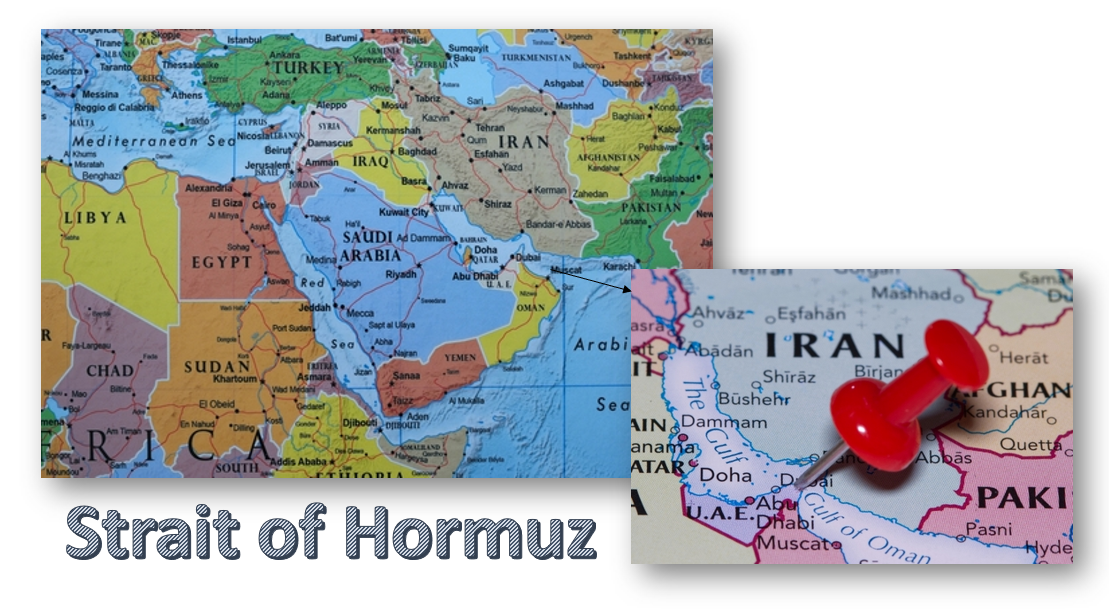
Only five vessels have traversed the Strait of Hormuz in the past 24 hours using the Iranian traffic separation scheme, according to data cited by @MarioNawfal. Before U.S.-Israeli strikes on Iran in late February, roughly 100 ships transited the waterway each day.
The sustained average since the strikes has been six to seven ships per day. That represents a decline of more than 95 percent in traffic through a passage that normally carries 20 percent of global seaborne oil, 20 percent of global liquefied natural gas exports, and up to 30 percent of globally traded fertilizers.
The reduction has persisted even after the April 8 ceasefire between the parties. War-risk insurance for the region was effectively canceled, rendering most commercial transits unviable regardless of physical passage. More than 600 vessels, including 325 tankers, remain stranded in the Gulf.
Bypass pipelines can handle roughly 35 percent of normal throughput, but the shortfall cannot be closed in the short term.
The combination of required fees, loss of insurance coverage, and routing through monitored waters has kept traffic near the post-strike lows. Operators have largely avoided the strait despite the formal ceasefire, according to the reported data. The Strait of Hormuz serves as a critical chokepoint for energy and agricultural commodities.
The current volume leaves the majority of normal shipping capacity unused.