politics
Strait of Hormuz Shipping Paralyzed for Two Months by Iranian Threats
The Strait of Hormuz has been effectively closed to commercial shipping for two months due to Iranian threats of attack. Insurers have withdrawn coverage or set prohibitive terms, causing tankers to remain idle and energy prices to rise. The U.S. has begun a naval effort to reopen safe passage through the waterway that carries roughly one-fifth of global energy flows.
 Washington Examiner
Audio version
Tap play to generate a narrated version.
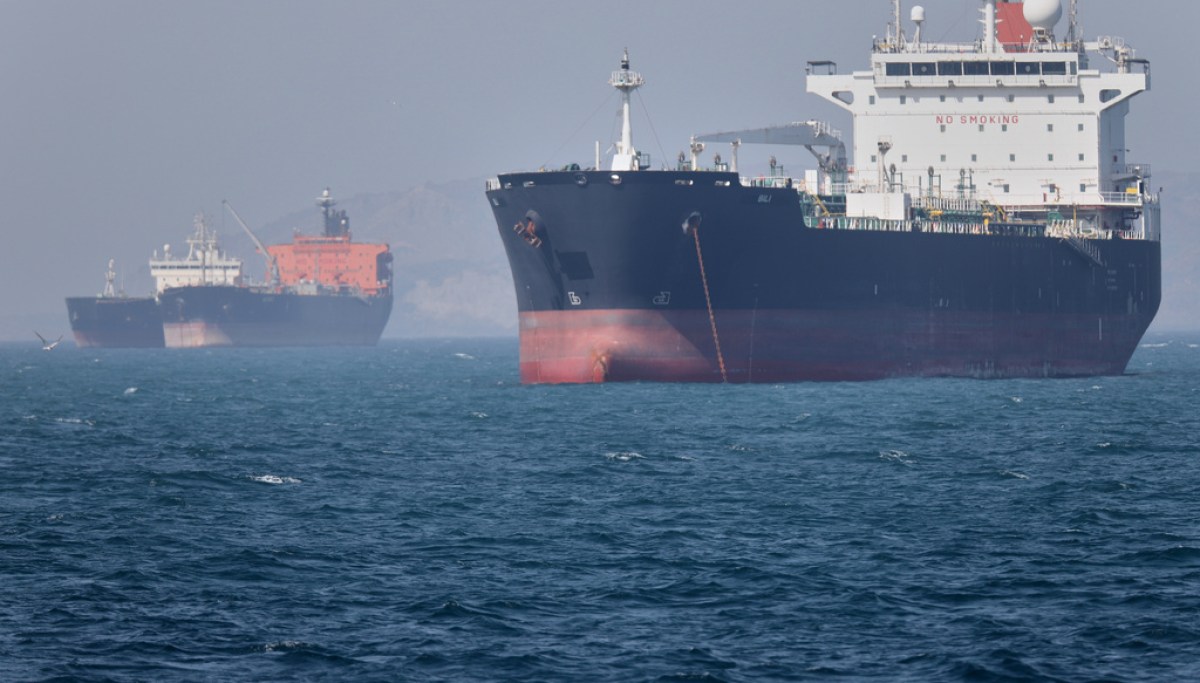
The Strait of Hormuz has been effectively closed for two months. The threat of attack from Iran has paralyzed shipping through the waterway, a vital artery of global trade. Insurers have pulled back, with some refusing coverage altogether and others imposing terms so extreme that passage is no longer viable.
Tankers sit idle or turn away. Energy prices are surging and supply chains are tightening. Critical shipments including fuel and fertilizer have been delayed or halted. Iran has acted on its threats. Ships have been attacked and the regime claims to have laid mines, though none have been confirmed publicly.
Commercial vessels have been warned to comply with demands of the Islamic Revolutionary Guard Corps or face consequences. The waterway, through which roughly one-fifth of the world’s energy typically flows, has been reduced to a zone of risk and coercion.
For decades free passage through key maritime routes was treated as a given. That assumption is now being tested.
The United States has begun a naval effort to reopen safe passage. The operation is guiding stranded ships and attempting to break the chokehold on the strait. The effort is not limited to American interests because the principle that global trade cannot be dictated by force is at stake.
From the Red Sea to the Indo-Pacific, the modern economy depends on narrow corridors. If the Strait of Hormuz can effectively be closed by a rogue nation and the world hesitates, every choke point becomes a potential weapon. Every supply chain becomes contingent and every market becomes more volatile.
Say they did not start this conflict and are not required to act. They warn that any effort to reopen the strait carries risk they refuse to bear. The economic consequences are spreading. Energy costs are rising, shipping companies are pulling back and businesses are bracing for higher input costs and delayed deliveries.