science
Studies: Neandertal Newborns Matched Modern Human Size but Had Thicker Bones and Faster Growth
Two analyses of ancient bones found that Neandertal infants were born at sizes comparable to modern humans. Their arm and leg bones developed more rapidly in the months after birth. Science News reported the results from separate studies published this year.
Jul 9, 8:00 AM·1m read1 source
 Science News
Audio version
Tap play to generate a narrated version.
Developing·Limited corroboration so far. This page will refresh as more sources emerge.
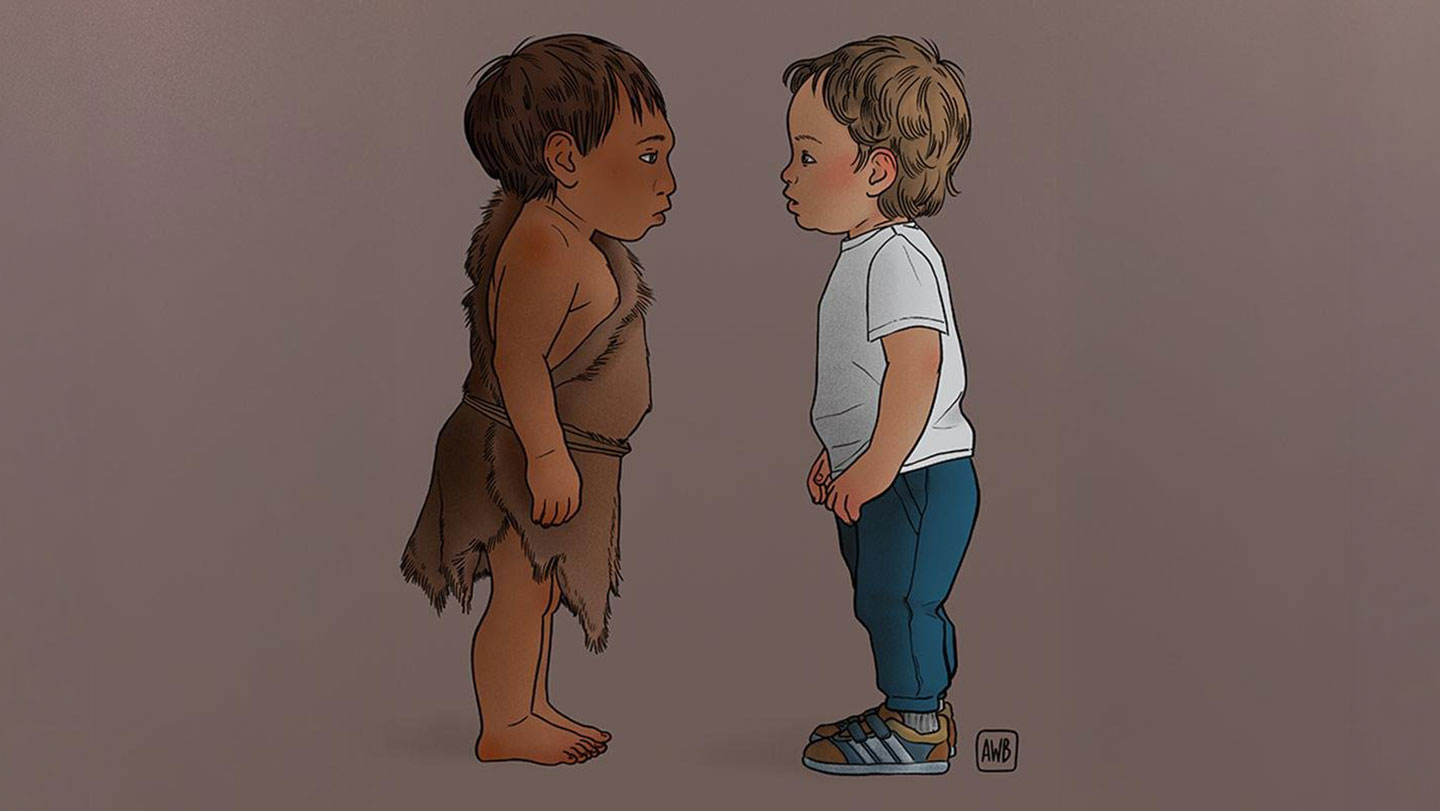
Two studies of Neandertal remains indicate that newborns were about the same size as modern human infants, though their arm and leg bones were thicker and denser and they grew faster through early infancy. One analysis examined 12 tiny bones from a late-term fetus or newborn found in a rock shelter in southern Germany. The bones came from sediment dated to about 55,000 years ago.
X-ray imaging and digital reconstructions showed the bones matched the size of modern human newborns, though the arm and leg bones were thicker and denser. Alvise Barbieri of the University of Algarve in Faro, Portugal, led that study, which was published June 17 in Royal Society Open Science. The second study looked at remains of a six-month-old Neandertal from a cave in northern Israel.
Sediment layers dated the remains to between 51,000 and 56,000 years ago. X-ray scans and digital reconstructions revealed teeth similar to those of a modern human of the same age, while arm and leg bones resembled those of a modern human about twice as old. Ella Been of Ono Academic College in Kiryat Ono, Israel, led the study, which was published April 15 in Current Biology.
The findings indicate that Neandertal physical growth in infancy and early childhood was more rapid than that of modern humans, with faster bone development likely beginning toward the end of pregnancy.