Substrate
science

Studies Show Heat and Drought Increase Antibiotic Resistance Genes in Soil Bacteria

Two new studies indicate that rising temperatures and drought conditions driven by climate change may enhance antibiotic resistance among soil microbes. Researchers observed higher resistance genes in warmed grassland soils and concentrated antibiotics in drier environments. These findings suggest potential implications for human health through increased resistant infections.

Science News
1 source·Apr 22, 3:00 PM(37 days ago)·1m read
Studies Show Heat and Drought Increase Antibiotic Resistance Genes in Soil BacteriaScience News
Audio version
Tap play to generate a narrated version.
Developing·Limited corroboration so far. This page will refresh as more sources emerge.

Researchers reported that heat boosted antibiotic resistance among bacteria in artificially warmed grassland soils, according to a study published April 22, 2026, in Nature. Genetic analyses showed antibiotic resistance genes were 25 percent higher in heated soils compared to normal plots.

Science News reported these findings, highlighting how warming itself, not exposure to antibiotics, leads soil microbes to become resistant over time.

From 2009 to 2020, a microbial ecologist at the University of Oklahoma in Norman and colleagues artificially warmed grassland plots to 3 degrees Celsius above surrounding air temperature using infrared lamps. The team found that as bacteria adapted to hotter conditions, antibiotic resistance developed, giving heat-tolerant and already resistant microbes a survival advantage.

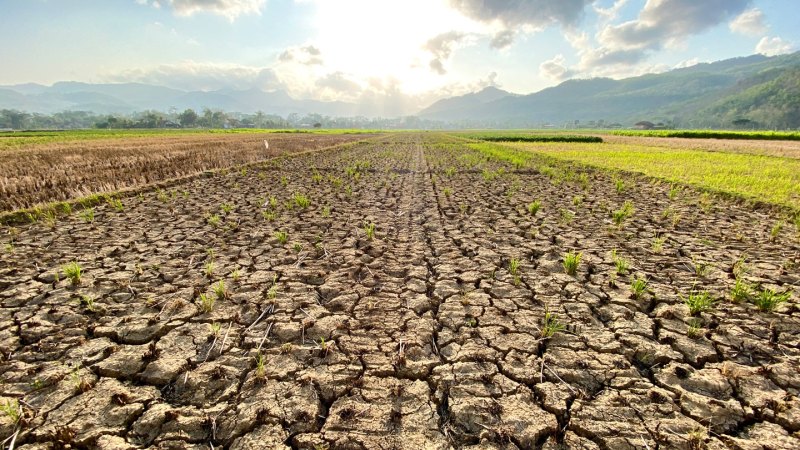
Another team reported findings in the April 2026 issue of Nature Microbiology, showing drought strips soil of moisture, concentrating antibiotics in remaining water and encouraging growth of resistant microbes. Data from cropland and grassland in California, a forest in Switzerland, and a wetland in China indicated soil microbes produce more antibiotics during drought than under normal conditions.

Lab dish experiments demonstrated that antibiotics concentrated in drier soils, killing sensitive bacteria and allowing resistant strains to flourish.

Arid environments tend to be dusty, with dirt carrying microbes across landscapes to expose people to resistant pathogens. Hospital data from 116 countries showed higher frequencies of antibiotic-resistant infections in drier locations. The process is like making rock candy, where drying soils force antibiotics and microbes into tighter spaces, promoting resistance through gene swapping.


An epidemiologist noted the challenges of linking soil changes directly to clinical outcomes, noting other factors like limited health care in rural deserts could contribute. The studies underscore how climate-driven heat and drought may spur bacteria to exchange antibiotic resistance genes, with potential risks to human health.

Science News reported that previous research has linked higher temperatures to rises in antibiotic-resistant infections, though mechanisms were unclear until now.

Key Facts

Heat increases antibiotic resistance genes
Genetic analyses showed 25 percent higher antibiotic resistance genes in heated grassland soils compared to normal plots.
Drought concentrates antibiotics
Drought strips soil of moisture, concentrating antibiotics and allowing resistant microbes to grow, as shown in lab experiments and field data from multiple sit
Global health link
Hospital data from 116 countries indicated higher frequencies of antibiotic-resistant infections in drier locations.
Warming mechanism
Soil microbes develop resistance due to warming itself over time, not antibiotic exposure, from 2009-2020 experiments.
Antibiotic origins
Many antibiotics originate from soil microbes, which use them as weapons against competitors.

Story Timeline

6 events
  1. 2026-04-22

    Study on heat boosting antibiotic resistance in warmed grassland soils published in Nature.

    1 sourceScience News
  2. 2026-04

    Study on drought concentrating antibiotics and encouraging resistant microbes published in Nature Microbiology.

    1 sourceScience News
  3. 2009-2020

    Zhou and colleagues artificially warmed grassland plots to 3 degrees Celsius above ambient temperature using infrared lamps.

    1 sourceScience News
  4. Unspecified recent

    Data collected from sites in California, Switzerland, and China showing increased antibiotic production during drought.

    1 sourceScience News
  5. Unspecified recent

    Hospital data analysis from 116 countries linking drier locations to higher antibiotic-resistant infections.

    1 sourceScience News
  6. Unspecified recent

    Lab experiments demonstrating antibiotic concentration in drier soils leading to resistant strain flourishing.

    1 sourceScience News

Potential Impact

  1. 01

    Challenges in linking environmental resistance directly to clinical cases due to confounding factors like healthcare access.

  2. 02

    Broader public health emphasis on environmental factors beyond hospital settings for addressing antibiotic resistance.

  3. 03

    Increased prevalence of antibiotic-resistant infections in human populations, particularly in drier regions.

  4. 04

    Enhanced spread of resistant pathogens via dust in arid environments, exposing more people.

  5. 05

    Potential rise in hard-to-treat bacterial infections driven by climate change mechanisms.

Transparency Panel

Sources cross-referenced1
Framing risk18/100 (low)
Confidence score70%
Synthesized bySubstrate AI
Word count313 words
PublishedApr 22, 2026, 3:00 PM
Bias signals removed4 across 4 outlets
Signal Breakdown
Speculative 2alarmist 1emotive 1

Related Stories

WHO Director Visits Congo as Ebola Outbreak SpreadsNpr
science4 hrs ago

WHO Director Visits Congo as Ebola Outbreak Spreads

The head of the World Health Organization arrived in Kinshasa to support efforts against a rare Ebola strain. Health workers face equipment shortages, community distrust, and armed conflict in affected provinces.

Npr
France 24
2 sources
FDA Panel Recommends XFG Variant for Fall Covid Shotsmedpagetoday.com
science2 hrs agoDeveloping

FDA Panel Recommends XFG Variant for Fall Covid Shots

Replimune will submit an application to the FDA for the third time. Pfizer and Innovent Biologics reached a collaboration agreement valued at up to $10.5 billion.

Stat
1 source
Benzinga Publishes Article on Biotech Stocks During Pandemic Recoveryfinance.yahoo.com
science6 hrs agoDeveloping

Benzinga Publishes Article on Biotech Stocks During Pandemic Recovery

Benzinga published an article titled 'Best Biotech Stocks Right Now' that addresses the sector's position during global recovery from the pandemic. The piece notes government institutions and professional traders are focusing on biotech companies for vaccine and booster developme…

Benzinga
1 source