Study Demonstrates Team-Based Approach to Improving Blood Pressure Control in Patients
A study published in the Journal of the American Medical Association highlights a team-based intervention that helped patients achieve blood pressure targets. The approach involved primary care teams using electronic health records and patient outreach. Researchers noted the method's potential for widespread application in managing hypertension.
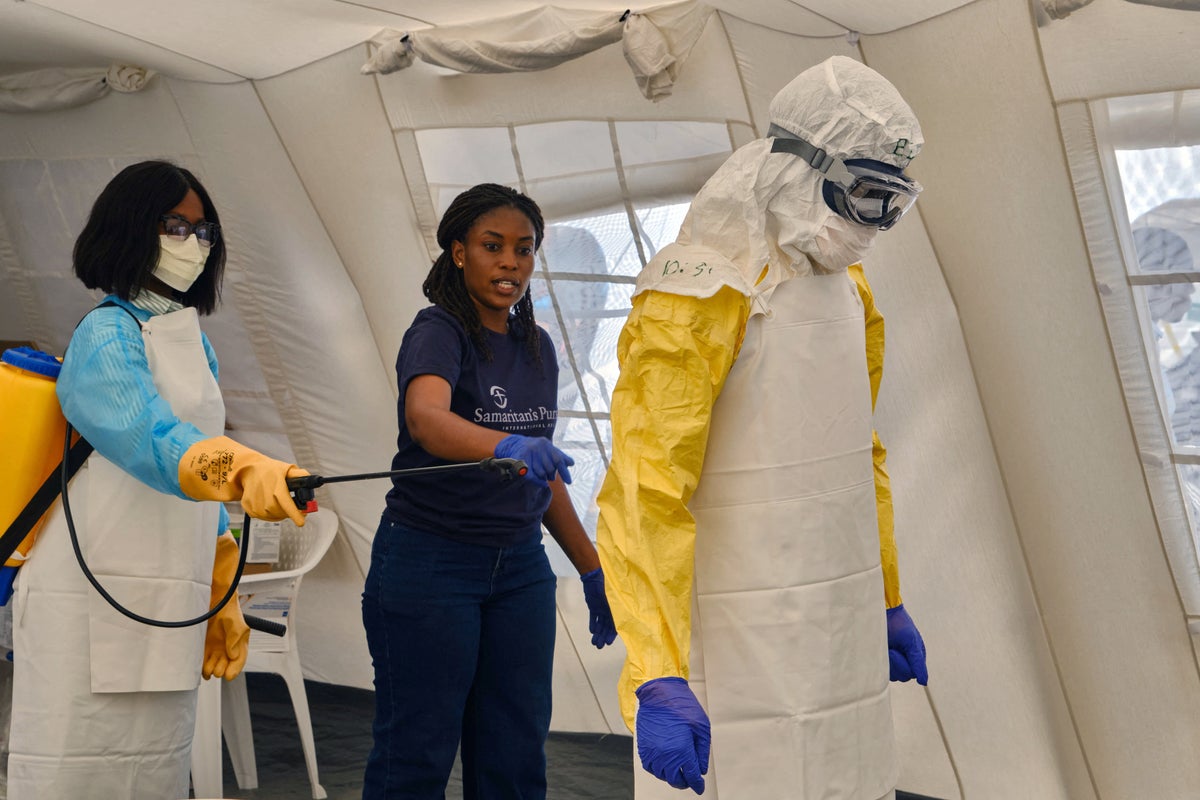
Justus Odundo / Wikimedia (CC BY-SA 4.0)A recent study examined methods for improving blood pressure management among patients with hypertension. Conducted by researchers at Kaiser Permanente Washington Health Research Institute, the study involved over 1,200 patients across multiple clinics. The intervention focused on primary care teams implementing structured protocols to support patients in reaching blood pressure goals.
The study, published in the Journal of the American Medical Association on October 15, 2023, compared the team-based approach to usual care. Patients in the intervention group received regular monitoring through electronic health records, automated reminders, and direct outreach from care coordinators.
At the six-month mark, 72% of intervention patients had blood pressure under control, compared to 58% in the control group.
Participants were adults aged 18 to 85 with uncontrolled hypertension, defined as systolic blood pressure above 140 mm Hg or diastolic above 90 mm Hg.
Exclusion criteria included pregnancy, severe kidney disease, or recent cardiovascular events. Clinics were randomized to either the intervention or standard care, with follow-up assessments at three and six months. The team-based model included training for primary care providers, nurses, and pharmacists on guideline-directed therapy adjustments.
Patients also received educational materials and self-monitoring tools. This approach aimed to address common barriers such as medication adherence and lifestyle factors.
The primary outcome was the proportion of patients achieving blood pressure targets per American College of Cardiology guidelines.
Secondary outcomes included changes in systolic blood pressure averages and patient satisfaction scores. 8 for control achievement. Researchers emphasized the scalability of the model, noting its integration with existing electronic health systems.
Limitations included the single-health-system setting, which may limit generalizability to diverse populations. Future studies could explore long-term effects beyond six months.
affects approximately 116 million adults in the United States, contributing to heart disease and stroke risks.
Effective management reduces these risks by up to 30%, according to Centers for Disease Control and Prevention data. The study's findings suggest team-based care could enhance primary care efficiency in addressing this public health issue. Next steps involve disseminating the protocol to other health systems and evaluating cost-effectiveness.
Policymakers and healthcare providers may consider adopting similar interventions to meet national blood pressure control targets.
Key Facts
Story Timeline
3 events- October 15, 2023
Study published in Journal of the American Medical Association showing team-based intervention improved blood pressure control.
1 source@statnews - Six months post-enrollment
Intervention group achieved 72% blood pressure control rate compared to 58% in control group.
1 source@statnews - Study enrollment period
Over 1,200 patients with uncontrolled hypertension enrolled across multiple clinics.
1 source@statnews
Potential Impact
- 01
Patients with hypertension might experience reduced cardiovascular risks through better control.
- 02
Health systems may adopt team-based protocols to increase hypertension control rates.
- 03
Primary care teams could see improved efficiency in managing chronic conditions.
- 04
Further research on long-term outcomes and cost-effectiveness could follow.
Transparency Panel
Related Stories
NASA Releases Thousands of Photos from Artemis II Lunar Mission
NASA has released over 12,000 images from the Artemis II mission, which orbited the moon in April 2026. The photos capture views of Earth, the lunar surface, and a solar eclipse observed during the crew's return. Astronauts from the mission also visited the United Nations headqua…
deccanchronicle.comThree Die in Hantavirus Cases on MV Hondius Cruise Ship
A hantavirus outbreak on the MV Hondius cruise ship has killed three passengers and sickened seven others, prompting an international response coordinated by the World Health Organization. The ship, carrying 147 people from 23 nationalities, is set to sail to Spain's Canary Islan…
newscientist.comHoutman Abrolhos Corals Show High Resilience to 2025 Heatwave, Unlike Global Losses
Coral reefs at the Houtman Abrolhos Islands off Western Australia endured a prolonged heatwave in early 2025 virtually unscathed, unlike widespread global die-offs. Researchers found exceptional heat tolerance across multiple species, with lab tests showing survival rates far exc…