technology
Study Documents Chimpanzee Group Division and Intergroup Violence in Uganda
Researchers observed a chimpanzee community in Uganda divide into two factions, leading to the deaths of 18 individuals from one group. The event occurred in Kibale National Park and involved territorial conflicts. The findings, reported by Ars Technica, highlight patterns in primate social behavior.
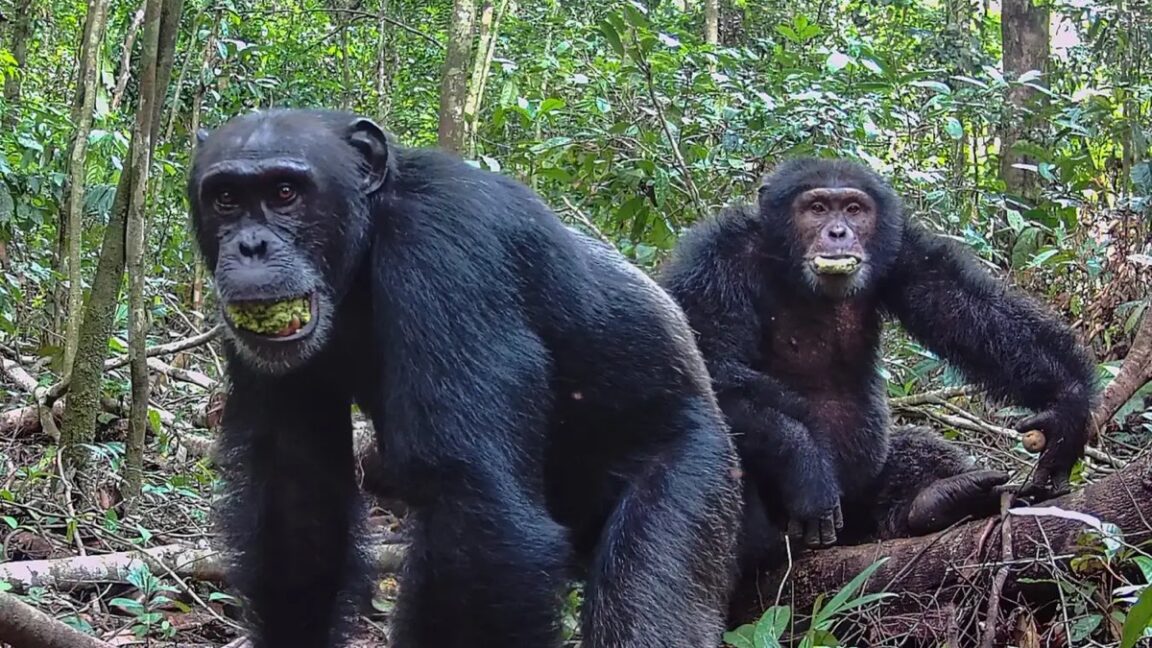 Ars Technica
Audio version
Tap play to generate a narrated version.
A chimpanzee community in Uganda's Kibale National Park divided into two subgroups, resulting in violent clashes that killed 18 members of one faction. The incident involved territorial conflicts.
The fission event is rare, with only a few similar cases recorded in other populations. Factors contributing to the split included resource competition and social tensions within the original group.
The separated subgroup included several high-ranking males who led raids on the parent community. Such intergroup aggression is common among chimpanzees but rarely results in full community fission followed by sustained violence.
Behavior Research The study suggests that relational dynamics, such as alliances and kinship ties, influence the nature of collective violence in chimpanzees.
Cultural markers, including tool-use traditions and vocalizations, may also play a role in group identity and conflict. These observations provide insights into the evolutionary roots of social cooperation and aggression in primates.
Researchers plan to monitor both factions for long-term effects on population dynamics and behavior. The findings contribute to broader understanding of how environmental pressures affect primate societies. Affected parties include the chimpanzee populations in Kibale National Park, where habitat fragmentation poses ongoing risks.
Conservation efforts in the area aim to protect these groups from human encroachment. Next steps involve continued fieldwork to assess recovery and potential reunification.
