finance
Study Estimates Long COVID Economic Burden at $8 Billion Through 2027
A computational model projects annual U.S. costs between $2 billion and $3.4 billion depending on incidence rates. Federal research funding and the dedicated long COVID office were ended in 2025.
May 24, 11:20 AM·1m read1 source
 thenation.com
Audio version
Tap play to generate a narrated version.
Developing·Limited corroboration so far. This page will refresh as more sources emerge.
A study published in 2025 in the Journal of Infectious Diseases estimated that long COVID will cost the United States more than $8 billion between 2025 and 2027. The projection covers direct medical expenses and lost productivity for an estimated 44 million Americans who have reported symptoms.
Long COVID is defined as symptoms persisting more than three months after initial infection. Common symptoms include fatigue, shortness of breath, and headaches. Researchers modeled incidence rates between 6 percent and 20 percent of COVID-19 cases.
01 billion when incidence is set at 6 percent and symptoms last one year. 4 billion. Productivity losses account for more than 90 percent of the modeled expenses. The $8 billion figure for 2025-2027 assumes 6 percent incidence and symptoms lasting up to three years. The authors noted that many cases diagnosed five to six years earlier continue without resolution.
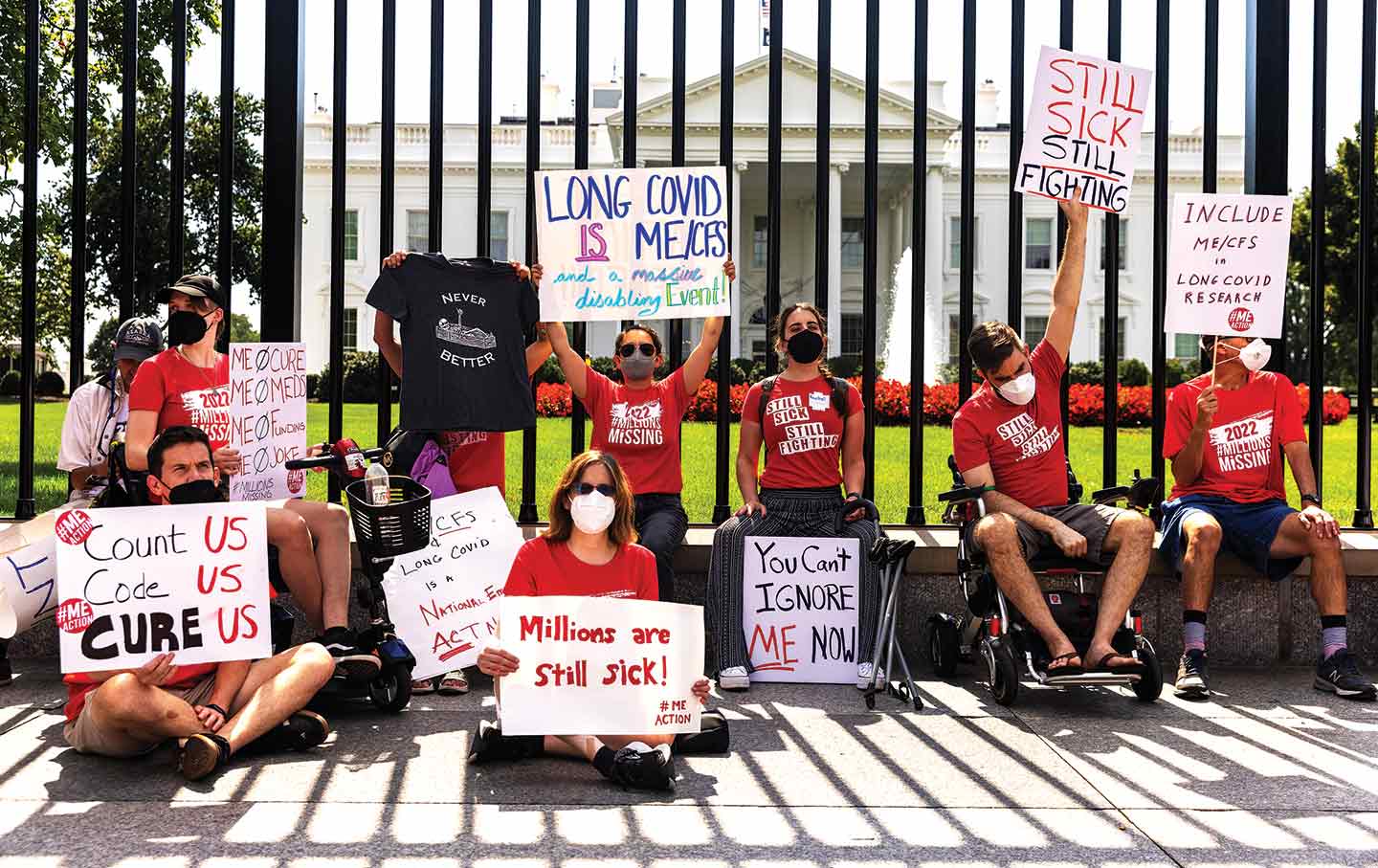
2025 the Department of Health and Human Services closed the Office of Long COVID Research after two years. The National Institutes of Health also ended several grant programs focused on long COVID pathways and treatments. No national strategy for managing long COVID or ongoing COVID-19 guidance has replaced the terminated programs.
Vaccination, masking, and indoor air quality recommendations have differed across organizations and states since 2021. Treatment remains limited to symptom management. A shortage of specialized clinics has been reported, and no cure has been identified.