Substrate
health

Study Finds Brain Structural Changes Persist One Month After Single Psilocybin Dose in Healthy Volunteers

A study found that a 25mg dose of psilocybin led to anatomical brain changes visible one month later in 28 healthy participants with no prior psychedelic experience. Researchers observed increased brain entropy and reduced diffusion along nerve tracts. Participants reported improved wellbeing and psychological insight linked to these changes.

The Guardian
ER
2 sources·May 5, 3:00 PM(17 hrs ago)·2m read
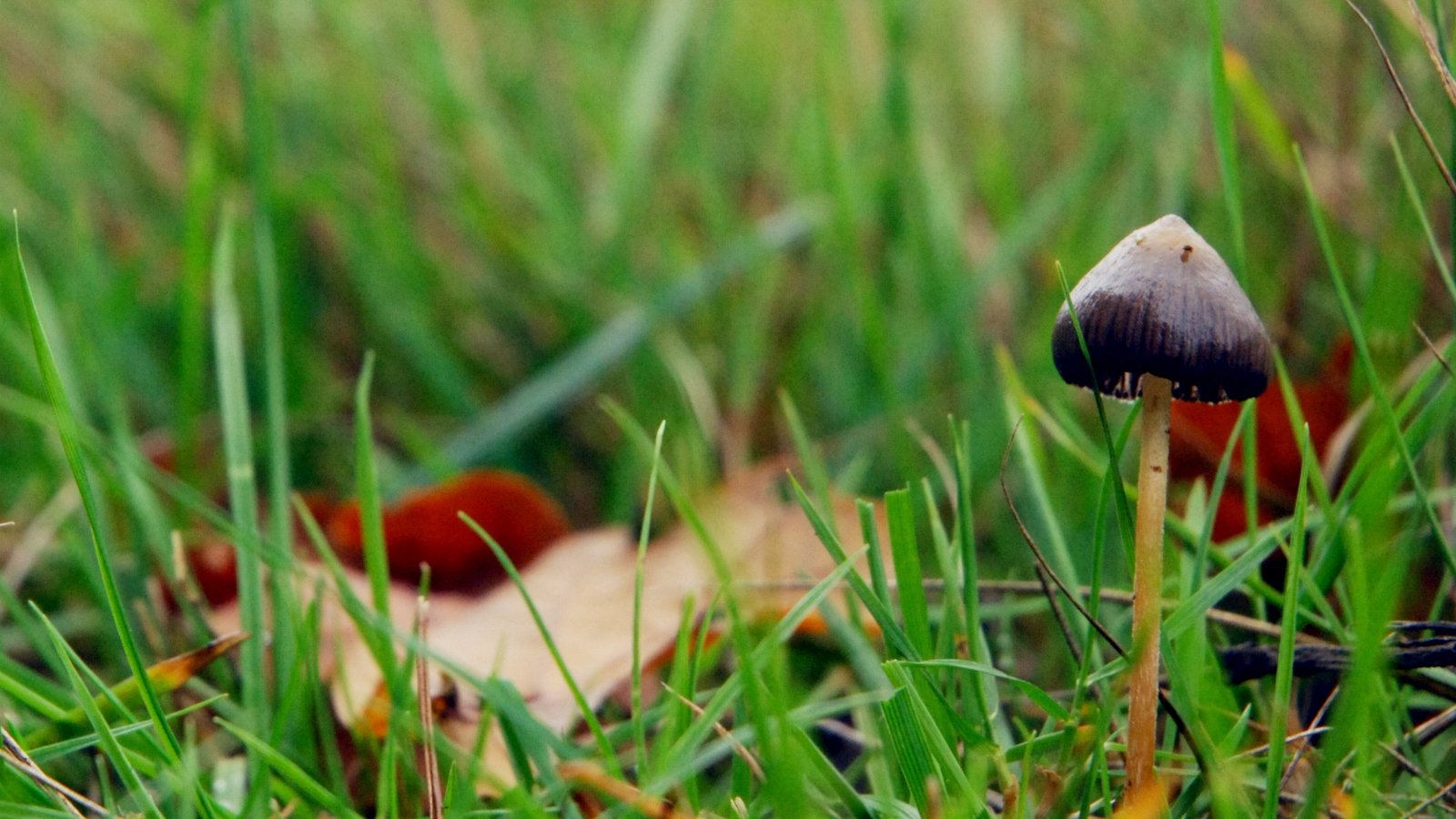
Study Finds Brain Structural Changes Persist One Month After Single Psilocybin Dose in Healthy VolunteersMatthew W. Johnson / Wikimedia (CC BY-SA 3.0)
Audio version
Tap play to generate a narrated version.
Developing·Limited corroboration so far. This page will refresh as more sources emerge.

A single 25mg dose of psilocybin, the active compound in magic mushrooms, triggered anatomical changes in the brains of healthy volunteers that persisted for at least one month, according to a new study. The research, conducted on 28 individuals who had never taken psychedelics before, revealed a surge in brain entropy within an hour of ingestion, suggesting the brain processed a greater diversity of information.

Those with the largest entropy spikes were most likely to report deeper psychological insight and better wellbeing weeks later.

The study began with participants receiving a 1mg placebo dose of psilocybin. Scientists then used electroencephalography (EEG) with electrodes on the scalp to measure brain activity, alongside functional MRI scans and diffusion tensor imaging (DTI) to monitor brain structure.

Over the following weeks, volunteers completed tests assessing wellbeing, depth of psychological insight, and flexibility of thinking.

One month after the placebo, the same participants took the full 25mg dose, which elicited a powerful psychedelic experience. During and after this experience, researchers repeated the EEG, functional MRI, DTI scans, and psychological tests. Within an hour, EEG showed the surge in brain entropy, indicating more varied neural activity.

DTI scans one month later detected a drop in diffusion along nerve tracts from the front to the middle of the brain. This drop could result from pruning of some nerve fibers or the growth of new nerves not yet covered with insulating sheaths. The changes aligned with positive outcomes, as participants who experienced the biggest entropy increases reported the most significant improvements in mental flexibility and overall wellbeing.

The study explored the entropic brain effect, where psychedelics make neural activity more varied. It was led by Prof Robin Carhart-Harris and colleagues at Imperial College London, with findings published in Nature Communications. The research was a cross-over study, assessing volunteers after both the 1mg placebo and the 25mg dose.

Prof Alex Kwan, a neuroscientist at Cornell University in New York, noted that studies in mice have shown psychedelics can rewire nerve connections. However, he pointed out the study involved a small number of people and that DTI provides an indirect and limited view of brain connections.

According to @EricTopol, a single 25mg dose of psilocybin leads to brain structural changes seen at one month, based on the cross-over study of 28 healthy volunteers with no prior psychedelic experience who were also assessed after 1mg.

The findings build on evidence that psychedelics may boost flexible thinking and help escape destructive cognitive patterns, potentially explaining therapeutic effects on anxiety, depression, and addiction. While preliminary, the observed changes contrast with those seen in aging and dementia, where nerve tracts often become less dense.

Key Facts

Psilocybin induces brain changes
A 25mg dose caused surge in brain entropy within one hour and structural changes via DTI one month later.
Participant outcomes
Largest entropy spikes linked to deeper psychological insight and better wellbeing one month post-dose.
Study design
Cross-over with 28 healthy volunteers, no prior psychedelics, assessed after 1mg placebo and 25mg dose.
Potential causes
Drop in diffusion could stem from nerve fiber pruning or growth of unsheathed nerves.
Limitations
Small sample size and indirect DTI view of brain connections.

Story Timeline

6 events
  1. 2026-05-05

    Study findings on psilocybin's brain effects published in Nature Communications.

    1 sourceunattributed
  2. One month after 25mg dose

    DTI scans showed drop in diffusion along nerve tracts; participants reported improved wellbeing and insight.

    2 sourcesunattributed · @EricTopol
  3. Within one hour of 25mg dose

    EEG revealed surge in brain entropy.

    1 sourceunattributed
  4. One month after placebo

    Participants took 25mg psilocybin dose, eliciting powerful psychedelic experience.

    2 sourcesunattributed · @EricTopol
  5. Initial phase

    28 volunteers given 1mg placebo psilocybin; brain activity measured via EEG, fMRI, DTI, and tests conducted.

    2 sourcesunattributed · @EricTopol
  6. Study conducted

    Research led by Prof Robin Carhart-Harris at Imperial College London explored entropic brain effect.

    1 sourceunattributed

Potential Impact

  1. 01

    Increased research into long-term brain plasticity from single-dose psychedelics.

  2. 02

    Broader understanding of entropic brain effects and flexible thinking.

  3. 03

    Potential advancement in psychedelic therapies for mental health disorders like depression and anxiety.

  4. 04

    Calls for larger studies to confirm structural changes in humans.

  5. 05

    Influence on policy for therapeutic use of psilocybin.

Transparency Panel

Sources cross-referenced2
Framing risk18/100 (low)
Confidence score74%
Synthesized bySubstrate AI
Word count440 words
PublishedMay 5, 2026, 3:00 PM
Bias signals removed4 across 4 outlets
Signal Breakdown
Speculative 1Loaded 1emotive 1causal overstatement 1

Related Stories

Trump Nominates Dr. Nicole Saphier for Surgeon General After Previous Nominee WithdrawsThe Times
health3 days agoUpdated

Trump Nominates Dr. Nicole Saphier for Surgeon General After Previous Nominee Withdraws

President Trump announced Dr. Nicole Saphier, a 44-year-old radiologist and Fox News contributor, as his nominee for U.S. surgeon general on Thursday, following the withdrawal of Dr. Casey Means due to insufficient Senate support. Saphier, who authored a book titled Make America…

The Times
Stat
The Atlantic
Npr
Washington Examiner
5 sources
Supreme Court Considers Cancer Warning Requirement for Monsanto's RoundupUsa Today
health6 days agoDeveloping

Supreme Court Considers Cancer Warning Requirement for Monsanto's Roundup

The U.S. Supreme Court heard arguments on whether Monsanto must add a cancer warning to its Roundup weedkiller, following a $1.25 million verdict awarded to plaintiff John Durnell. The case examines if federal EPA regulations preempt state court lawsuits over labeling. The Trump…

Usa Today
1 source
Nancy Cox, Former CDC Influenza Division Leader, Dies at 77 from GlioblastomaStat
health10 days agoDeveloping

Nancy Cox, Former CDC Influenza Division Leader, Dies at 77 from Glioblastoma

Nancy Cox, who led the CDC's influenza team for 22 years and contributed to global flu surveillance, died Thursday from glioblastoma. She was 77. Colleagues praised her role in pandemic preparedness and vaccine development.

Stat
1 source