science
Study Finds Elk Involved in Most Aggressive Wildlife Encounters in Canadian Parks
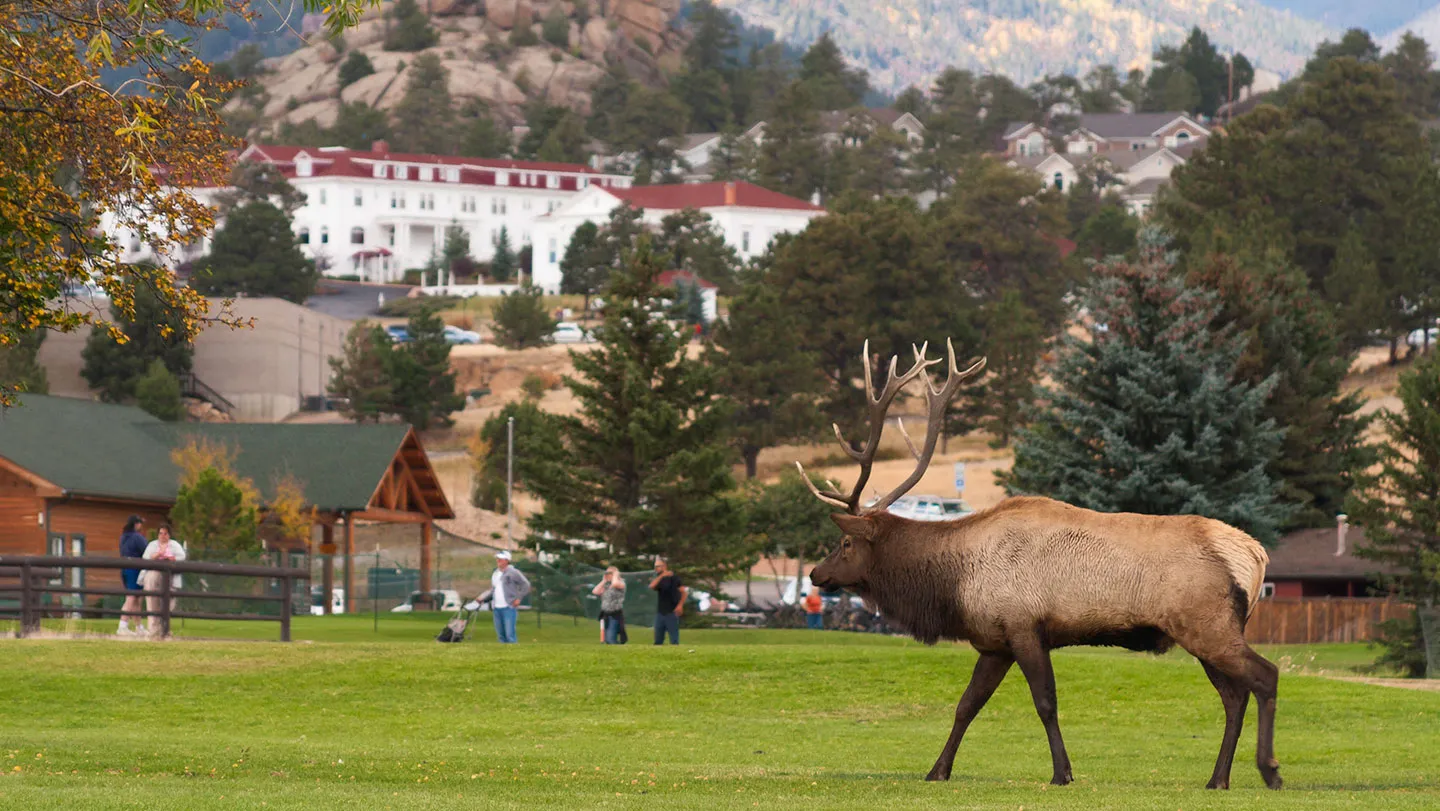
Researchers examined nearly 3,000 aggressive wildlife incidents recorded in Canadian national parks between 2010 and 2023. Elk accounted for 62 percent of incidents, with the highest share occurring at campgrounds.
 Science News
Audio version
Tap play to generate a narrated version.
Developing·Limited corroboration so far. This page will refresh as more sources emerge.
A study of aggressive wildlife encounters in Canadian national parks found that elk were involved in more incidents than any other species examined. Researchers reviewed 2,878 incidents involving black bears, grizzly bears, elk, coyotes and mule deer.
Aggressive behaviors recorded included chasing, attacking or bluffing a charge. Elk were present in 62 percent of all incidents. Campground encounters showed the strongest association, with elk appearing in 84 percent of those cases.
Bears accounted for 27 percent of incidents combined. Most bear encounters occurred during hiking or wildlife watching. Coyotes and mule deer were involved in fewer incidents overall. Mule deer showed higher rates when dogs were present.
Recommendations from the Analysis The study identified simple steps that may reduce risk. These include hiking in groups, making noise when alone, and keeping dogs on a short leash. Researchers also noted the value of following trail signage and consulting park staff when visitors are uncertain about conditions.