Study Finds iPhone Introduction Correlated With 33-52% of U.S. Fertility Decline in 2007-2011 Window, But Majority Remains Unexplained
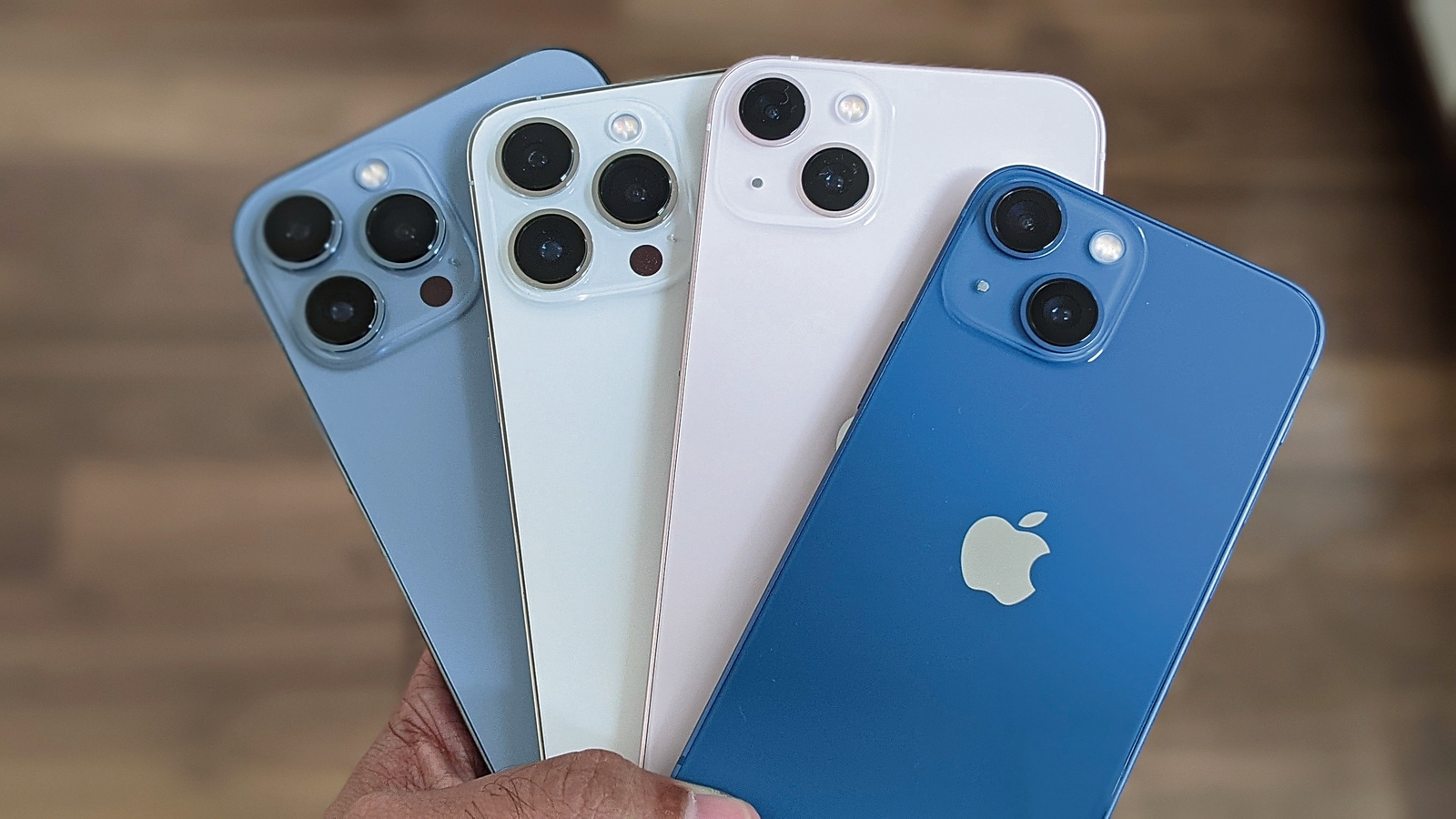
A new study attributes 33% to 52% of the decline in U.S. birth rates between 2007 and 2011 to the iPhone's introduction and its distribution through AT&T.
 news.google.com
U.S. fertility rate after its 2007 introduction.
U.S. Counties with widespread AT&T coverage, where iPhones were exclusively distributed from 2007 through 2011, to counties with minimal AT&T coverage. She ran statistical checks controlling for economic and demographic factors and found the iPhone effect remained consistent.
"What we are seeing is that the places that have the iPhone have big fertility changes relative to the other places," Myers told CBS News.
"I said, 'Wow, but this has to be too big,'" she recalled. " "I'm not surprised that there is an effect. I am surprised that it stands out so, so clearly," Myers said. "We're not saying it's all the iPhone.
What we are saying is that it is a really important factor to consider. Over this short period of time, it could explain about a third to a half of the decline. U.S. fertility rate has experienced a decades-long decline.
Experts cite financial issues such as the high cost of child care and more women delaying having children or opting not to start a family as causes of the declining birth rate. Population growth has been slowing worldwide for decades in both rich and poor countries. The Trump administration has encouraged Americans to have more children.
U.S. children offering federal government contributions of up to $1,000 to eligible kids. Other countries have introduced financial incentives to convince people to have more children, yet those efforts have largely failed to move the needle.
Norway has seen its birth rates continue to decline over the past two decades. Myers thinks the drop in birth rates is unlikely to be reversed solely through economic policy such as tax incentives. Efforts to convince people to spend less time on their phones and more time making social connections in real life have mostly failed to gain traction, though more states are implementing cell phone restrictions for school-age children.


