Substrate
science

Study Finds Most Scuba Diver Reef Contact Is Unintentional

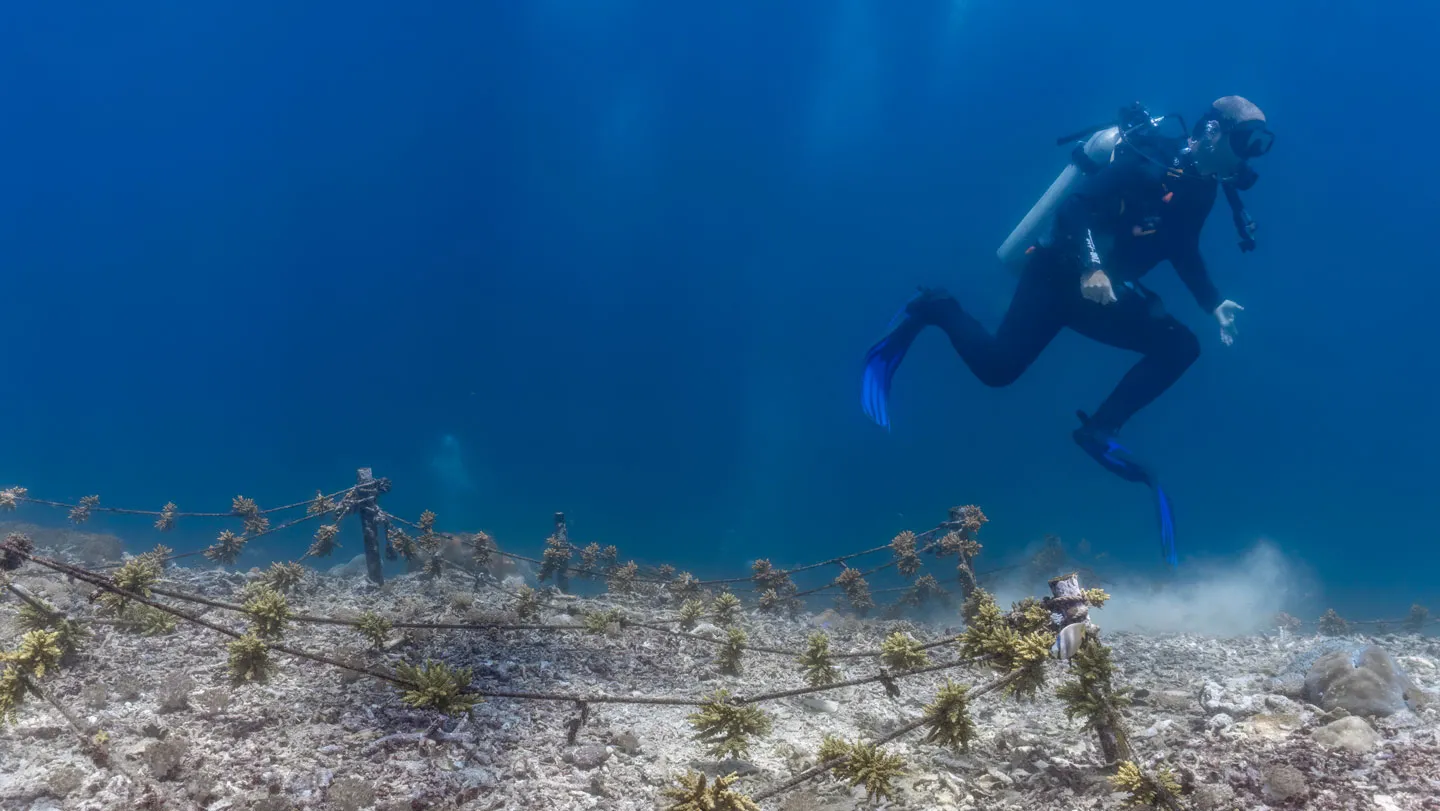
Researchers recorded diver behavior at sites in Indonesia and the Philippines. More than 80 percent of physical contact with coral was unintended, according to video analysis published May 26.

Science News
1 source·May 26, 11:00 AM(3 days ago)·1m read
Study Finds Most Scuba Diver Reef Contact Is UnintentionalScience News
Audio version
Tap play to generate a narrated version.
Developing·Limited corroboration so far. This page will refresh as more sources emerge.

Video analysis of 732 scuba divers showed they touched coral reefs about once every four minutes on average. Roughly 60 percent of those contacts occurred without the divers realizing it. Researchers collected both underwater footage and post-dive surveys between December 2022 and January 2024 at sites across Indonesia and the Philippines.

After each dive, participants were asked to estimate how often they contacted the reef.

Seventy-five percent of divers rated their own skill and reef-avoidance ability above average. The same group contacted the reef five times more often than they estimated. Wildlife sightings increased the rate of damaging contact by more than double. On heavily visited reefs, the cumulative effect of repeated minor contacts could produce measurable ecological change.

Fifteen percent of observed divers made no contact with the reef at all. Marine ecologists cited this group as evidence that improved training and regulation could reduce impacts without restricting access. Reef tourism generates revenue that supports local conservation efforts. Researchers stated the objective is to reduce accidental contact rather than limit diving activity.


Key Facts

732 divers observed
video and survey data collected across two countries
One contact per four minutes
average rate of diver touching reef
60 percent unintentional
contacts made without diver awareness
15 percent zero contact
divers who never touched the reef

Story Timeline

2 events
  1. December 2022 – January 2024

    Researchers collected video and survey data from 732 divers in Indonesia and the Philippines.

    1 sourceScience News
  2. May 26, 2026

    Findings published in Conservation Letters showing most reef contact was unintentional.

    1 sourceScience News

Potential Impact

  1. 01

    Dive operators may adopt additional training requirements based on the findings.

  2. 02

    Local tourism revenue could be affected if new regulations limit visitor numbers.

Transparency Panel

Sources cross-referenced1
Confidence score75%
Synthesized bySubstrate AI
Word count179 words
PublishedMay 26, 2026, 11:00 AM
Bias signals removed2 across 1 outlet
Signal Breakdown
Loaded 1Speculative 1

Related Stories

WHO Director Visits Congo as Ebola Outbreak SpreadsNpr
science4 hrs ago

WHO Director Visits Congo as Ebola Outbreak Spreads

The head of the World Health Organization arrived in Kinshasa to support efforts against a rare Ebola strain. Health workers face equipment shortages, community distrust, and armed conflict in affected provinces.

Npr
France 24
2 sources
FDA Panel Recommends XFG Variant for Fall Covid Shotsmedpagetoday.com
science2 hrs agoDeveloping

FDA Panel Recommends XFG Variant for Fall Covid Shots

Replimune will submit an application to the FDA for the third time. Pfizer and Innovent Biologics reached a collaboration agreement valued at up to $10.5 billion.

Stat
1 source
Benzinga Publishes Article on Biotech Stocks During Pandemic Recoveryfinance.yahoo.com
science6 hrs agoDeveloping

Benzinga Publishes Article on Biotech Stocks During Pandemic Recovery

Benzinga published an article titled 'Best Biotech Stocks Right Now' that addresses the sector's position during global recovery from the pandemic. The piece notes government institutions and professional traders are focusing on biotech companies for vaccine and booster developme…

Benzinga
1 source