Study Finds Rivers Worldwide Losing Oxygen Due to Warming
A study published in Science Advances reports that oxygen levels in more than 21,000 rivers have declined an average of 2.1 percent since 1985. Researchers attributed nearly two-thirds of the loss to warmer water caused by climate change. Projections indicate further declines by the end of the century that could affect aquatic life in regions including the Eastern United States, India and parts…
winnipegfreepress.comOxygen levels in rivers across the globe have declined an average of 2.1 percent since 1985, according to a study published Friday in Science Advances. Researchers in China analyzed data from satellites and artificial intelligence covering more than 21,000 rivers.
The study determined that warmer water from climate change accounted for nearly 63 percent of the oxygen loss. Basic chemistry shows that warmer water holds less dissolved oxygen and releases more of it into the atmosphere. If the current rate of loss continues, the world's rivers would lose an additional 4 percent of their oxygen by the end of the century on average, and close to 5 percent in some locations.
The study's lead author stated that this level of deoxygenation becomes problematic for fish and for people who rely on rivers. Rivers in the Eastern United States, India, the Arctic and much of South America are projected to lose about 10 percent of their oxygen by 2100 under moderate-to-high carbon dioxide emission increases.
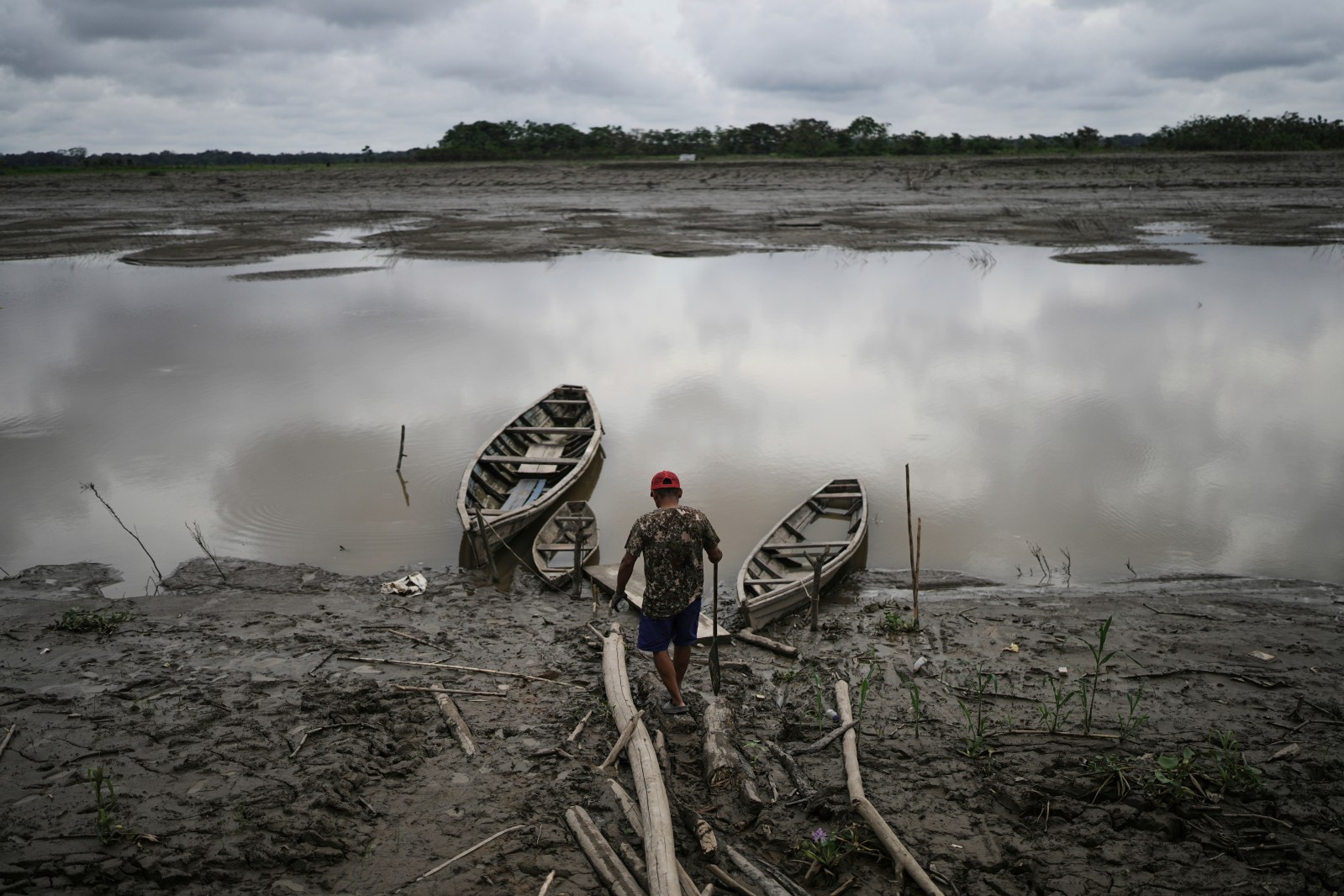
India's Ganges River was losing oxygen more than 20 times faster than the global average earlier this century. Tropical rivers such as the Amazon are also identified as areas of concern.
The study warns that continued oxygen loss could create more dead zones where fish struggle to breathe. Such zones have already appeared in the Gulf of Mexico, Chesapeake Bay and Lake Erie. The number of days with dead zone conditions in the Amazon has increased by nearly 16 days per decade since 1980, according to a separate study cited in the report.

A hydrology professor at Utrecht University who was not involved in the research reported that oxygen stress in rivers worldwide has increased by 13 days per decade and dead zone occurrences by nearly three days per decade since 1980. The lead author of the new study said deoxygenation is a slow process but that a long period of low oxygen can lead to biodiversity decline, water quality degradation and fish deaths.
A geoscientist at the University of Arizona who was not part of the study stated in an email that rivers face a future of more hypoxic zones, especially during heat waves. The ecologist added that some rivers are already in poor enough condition that a small additional change could push them into danger.
The study identified nutrient pollution from fertilizer and urban runoff, dam construction, and changes in flow and wind as additional factors in oxygen loss. An ecologist and biogeochemist at Duke University who was not involved in the research said that as rivers warm, the same pollution problems can cause more severe or longer-lasting low-oxygen conditions.
The researcher added that reducing water pollution is therefore more important than ever. The findings come from analysis that began with data collected since 1985. The study was published as climate change continues to raise water temperatures in rivers around the world.
Key Facts
Story Timeline
4 events- 2026-05-16
Study on river deoxygenation published in Science Advances.
1 sourceThe Independent - 1985
Researchers began tracking oxygen levels in over 21,000 rivers.
1 sourceThe Independent - 1980
Number of days with dead zones in the Amazon began rising by 16 days per decade.
1 sourceThe Independent - 2025
Separate study found oxygen stress in rivers increased by 13 days per decade since 1980.
1 sourceThe Independent
Potential Impact
- 01
Increased frequency of dead zones in rivers during heat waves.
- 02
Potential decline in fish populations in affected river systems.
- 03
Further degradation of water quality in regions with existing pollution.
- 04
Reduced biodiversity in river ecosystems over decades.
Transparency Panel
Related Stories
NprWHO Director Visits Congo as Ebola Outbreak Spreads
The head of the World Health Organization arrived in Kinshasa to support efforts against a rare Ebola strain. Health workers face equipment shortages, community distrust, and armed conflict in affected provinces.
medpagetoday.comFDA Panel Recommends XFG Variant for Fall Covid Shots
Replimune will submit an application to the FDA for the third time. Pfizer and Innovent Biologics reached a collaboration agreement valued at up to $10.5 billion.
Benzinga Publishes Article on Biotech Stocks During Pandemic Recovery
Benzinga published an article titled 'Best Biotech Stocks Right Now' that addresses the sector's position during global recovery from the pandemic. The piece notes government institutions and professional traders are focusing on biotech companies for vaccine and booster developme…