Study Finds Seasonal Variation in Children's Antibody Responses to Vaccines, But Experts Caution Against Changing Schedules
@NewScientist reported on pooled data from 96 trials showing antibody responses vary by season and latitude. Stronger winter responses appeared in temperate zones for multiple vaccines.
 oneindia.com
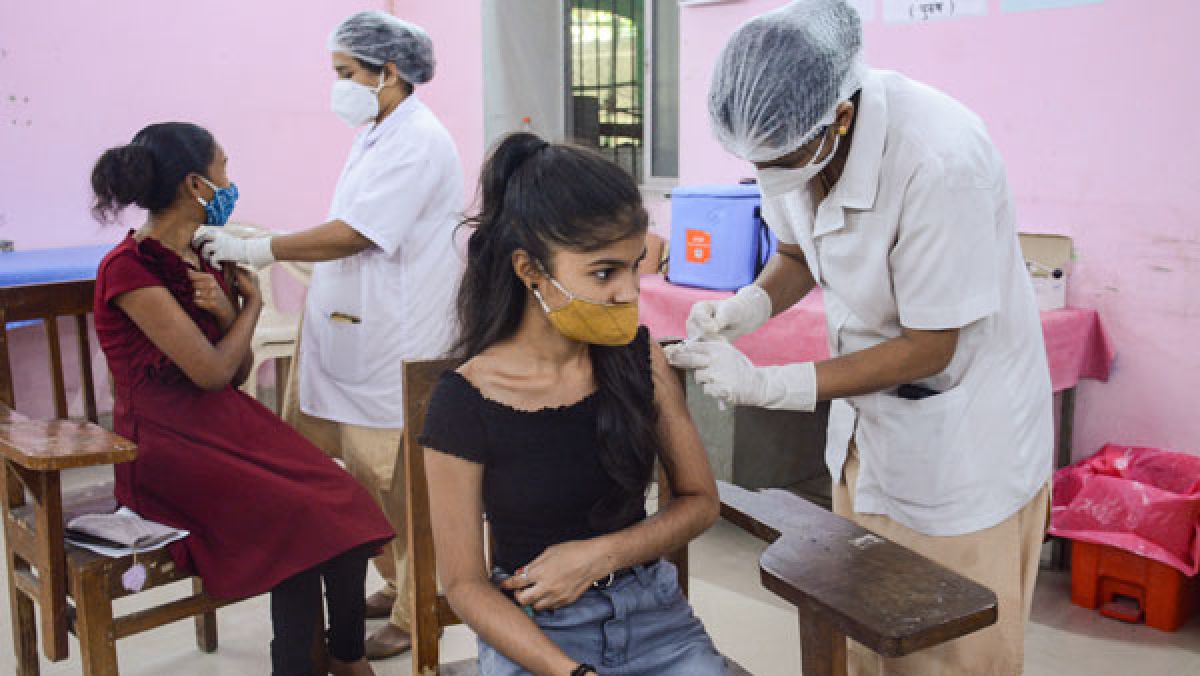
A study of nearly 48,000 children found that the strength of antibody responses after vaccination differed by season and geographic latitude. Researchers pooled results from 96 randomised-controlled trials covering 14 infections, including measles, polio and chickenpox.
Laura Barrero Guevara at New York University and colleagues compared immunogenicity across trials conducted at different times of year and in different countries.
They excluded children who already carried antibodies to the target pathogens before vaccination. In temperate regions of both hemispheres, stronger responses occurred during winter months. Closer to the equator, annual fluctuations remained but followed less consistent timing, with larger swings recorded for rotavirus and polio vaccines.
Barrero Guevara stated there is a seasonal immune response. Team member Matthieu Domenech de Cellès at the Max Planck Institute for Infection Biology noted the initial hypothesis expected lower seasonality near the equator, yet the data did not match that prediction.
Cathy Wyse at the University of Edinburgh, who was not involved in the study, said the findings suggest humans may have an intrinsic seasonal timing system coordinated by changing day length and located in the hypothalamus.
She referenced earlier work showing seasonal shifts in inflammatory markers and immune cells. Manuel Irimia at the Centre for Genomic Regulation in Barcelona reported seasonal changes in gene expression across immune-related tissues and hormone-producing brain regions. He said the new results may relate to those observations but added researchers are not close to a mechanistic understanding.
Wyse cautioned that differences in antibody levels do not necessarily produce meaningful differences in vaccine effectiveness. She stated there is not enough evidence to support changing vaccination timing for clinical benefit and that delaying shots could increase risk. 26351620.
Earlier research cited in the report documented seasonal birth patterns in the UK that shifted after the contraceptive pill became widely available in the mid-1970s.
Transparency
Story details
Related Stories
 France 24
Marjane Satrapi, Author of 'Persepolis,' Dies at 56 a Year After Husband
The French-Iranian graphic novelist died Thursday in a statement from people close to her. She had refused France's highest civilian honor last year over its Iran policy.
 spacenews.com
NASA Loses Contact with MAVEN Mars Orbiter, Begins Decommissioning After Battery-Draining Anomaly
The agency announced Wednesday that the MAVEN orbiter is unrecoverable following an anomaly that drained its batteries. The mission produced more than 800 publications on Mars’ atmosphere over twelve years.