world
Study Finds Sin Nombre Virus in Nearly 30 Percent of Rodents Sampled in Pacific Northwest
Researchers from Washington State University collected rodent samples in Washington and Idaho in summer 2023. Nearly 30 percent showed past infection and 10 percent had active infections with the Sin Nombre virus.
May 24, 10:13 AM·1m read1 source
 foxnews.com
Audio version
Tap play to generate a narrated version.
Developing·Limited corroboration so far. This page will refresh as more sources emerge.
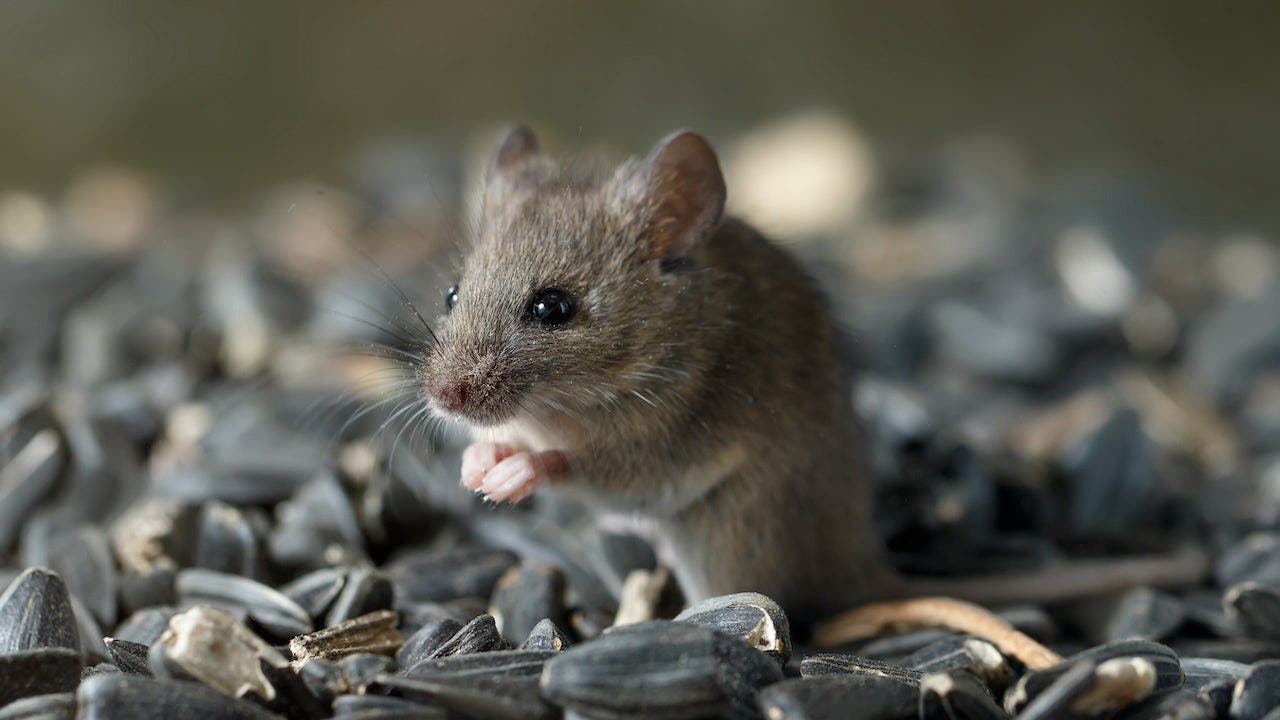
A study published in the journal Emerging Infectious Diseases reports that a significant portion of rodents in parts of Washington and Idaho carried the Sin Nombre virus, a form of hantavirus. Researchers from Washington State University’s College of Veterinary Medicine collected samples from 189 deer mice, voles and chipmunks during summer 2023.
The animals were taken from both farm and forest locations in the Palouse region. Nearly 30 percent of the rodents showed evidence of past infection, and 10 percent had active infections.
The Sin Nombre virus spreads to humans through inhalation of aerosolized rodent urine, droppings or saliva. It is not known to spread from person to person. Infection can begin with flu-like symptoms and progress to breathing difficulties, fluid buildup in the lungs, and serious lung and heart problems.
1993 and 2022, 864 cases of Sin Nombre virus infection were reported across the United States, including 109 cases in Idaho, Oregon and Washington. Study author Stephanie Seifert said researchers were surprised by how common the virus was locally and by the limited existing data for the Northwest region.
Dr. Sonja Bartolome of UT Southwestern Medical Center, who was not involved in the study, said wet-cleaning methods should be used instead of sweeping or leaf blowing in areas with rodent droppings to reduce exposure risk. The findings indicate a need for expanded monitoring of the virus in agricultural areas of the Pacific Northwest.