Study Finds Traded Mammals 1.5 Times More Likely to Carry Human Pathogens
A study published in Science analyzed databases of pathogens and wildlife trade data, finding that traded mammals are about 1.5 times as likely to share pathogens with humans compared to non-traded mammals. The research highlights risks from live animal markets and illegal trade. It builds on historical outbreaks linked to wildlife, such as mpox in 2003 and potential COVID-19 origins.
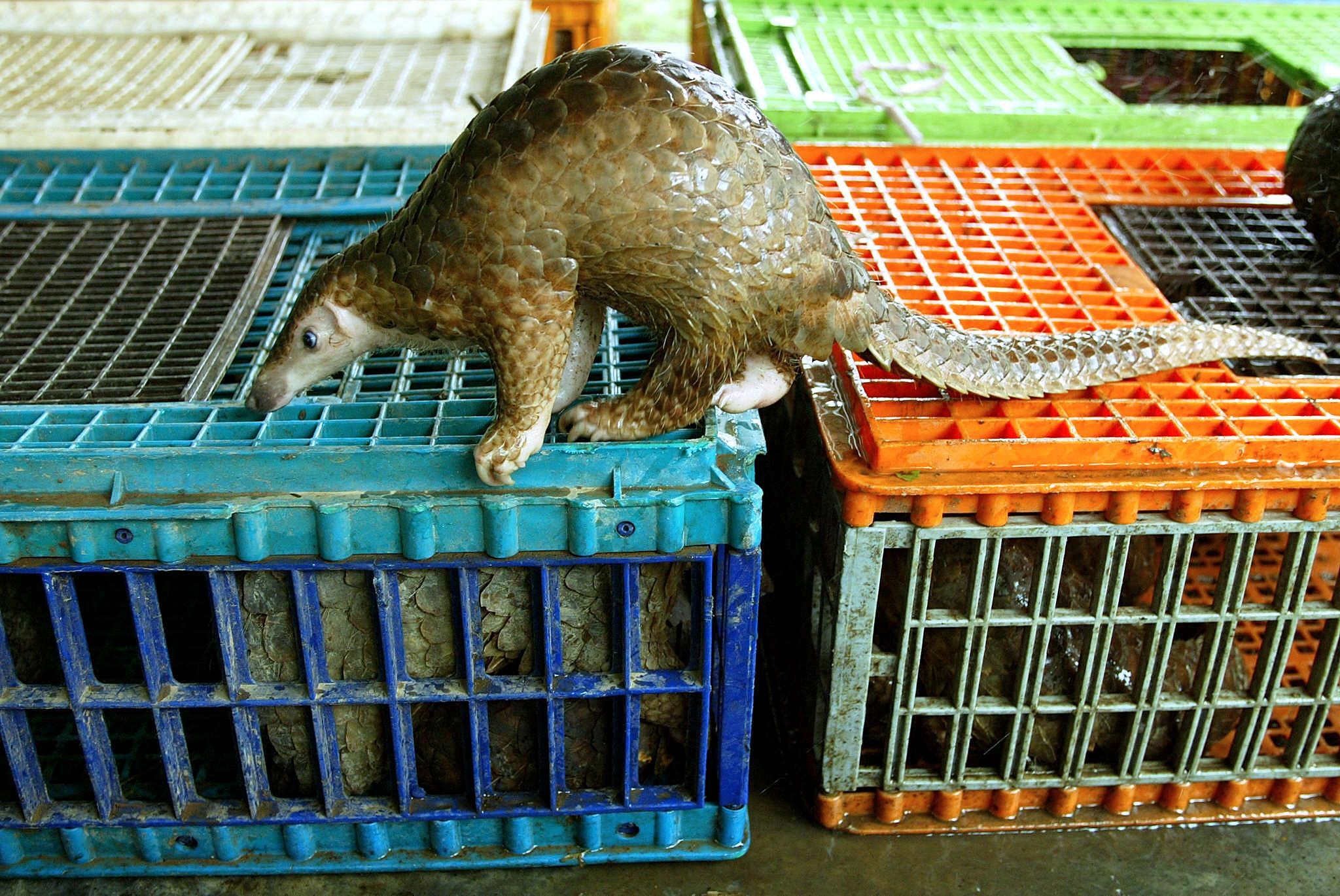
NprA new study examines the risks of zoonotic diseases from the wildlife trade, which involves the sale of wild animals for food, traditional medicine, pets, and other purposes, both legally and illegally. The research, led by Colin Carlson, a disease ecologist at Yale University, was published in the journal Science.
It quantifies the association between traded mammals and pathogens that can infect humans.
Historical outbreaks illustrate these risks. In 2003, a shipment of exotic African rodents to a pet store in Illinois led to the first mpox outbreak in the United States, where Gambian giant rats infected prairie dogs, which then infected nearly 100 people who handled the animals. Ebola outbreaks have been triggered by contact with bats, sometimes consumed or used in traditional medicine.
Scientific papers suggest the COVID-19 pandemic originated at the Huanan Seafood Wholesale Market in Wuhan, China, where live wild animals including raccoon dogs, civets, and Himalayan marmots were kept in cramped conditions.
The study compiled databases of pathogens from mammals and aligned them with data on wildlife trade, including which species are traded and the duration of human interaction with them.
Researchers analyzed over 2,000 traded mammal species and compared them to non-traded species. 5 times as likely to be sources of human diseases than non-traded mammals. 4% of non-traded species. The longer humans have interacted with a species, the more viruses they share, particularly with illegal trade and live markets.
The study notes that while shared pathogens do not specify transmission direction, most cases likely involve jumps from animals to humans due to widespread human contact.
animal markets were identified as a major risk factor, involving animals in poor health, crowded conditions, and unusual species combinations where viruses can evolve and spread between species.
Workers in these markets often lack protective gear. The illegal wildlife trade, which includes protected species such as pangolins and squirrel monkeys, also contributes to these risks. Colin Carlson stated that prior knowledge relied on anecdotes, making it difficult to compare wildlife trade risks to other factors like climate change or deforestation.
Kevin Olival, a disease ecologist at the University of Hawai'i not involved in the study, described the paper as reinforcing known risks from zoonotic diseases in wildlife trade, including past outbreaks like COVID-19. The databases created for this study, which include newly discovered viruses, were not available five years ago in an analyzable form.
This pathogen atlas enables future research on wildlife trade and disease emergence.
The findings underscore the need for global measures to mitigate these risks and prevent future outbreaks.
Key Facts
Story Timeline
4 events- 2023 (publication year inferred)
Researchers publish study in Science showing traded mammals 1.5 times more likely to carry human pathogens.
1 sourceNpr - Five years ago
Databases of animal pathogens and viruses become available for analysis.
1 sourceNpr - 2019-2020
Scientific papers suggest COVID-19 originated at Huanan Seafood Wholesale Market with live wild animals.
1 sourceNpr - 2003
Shipment of exotic rodents to Illinois pet store sparks first U.S. mpox outbreak infecting nearly 100 people.
1 sourceNpr
Potential Impact
- 01
Global health organizations may increase regulations on live animal markets to reduce zoonotic spillover risks.
- 02
Researchers could expand pathogen databases to monitor emerging wildlife trade threats.
- 03
Illegal wildlife trade enforcement might intensify in regions with high market activity.
- 04
Scientific community may prioritize studies comparing wildlife trade to other disease drivers like deforestation.
- 05
Public awareness of zoonotic disease sources from wildlife could rise, affecting consumer behaviors.
Transparency Panel
Related Stories
thehindu.comTrump Administration Seeks Next FDA Commissioner to Rebuild Trust and Advance Reforms
The administration is moving quickly to find a successor after FDA Commissioner Marty Makary resigned on Tuesday. Officials want the next leader to rebuild trust with agency staff, emphasize food policy and continue drug-approval reforms. The search is expected to take several we…
rediff.comTrump Sides With Tobacco Industry in Vape Dispute
President Trump intervened in a regulatory dispute over vaping products, supporting tobacco companies against a position held by his own administration's officials. The Food and Drug Administration commissioner resigned in protest following the decision. The New York Times report…
StatNYU Langone Receives Federal Grand Jury Subpoena on Gender-Affirming Care for Minors
NYU Langone Health disclosed last week that it received a grand jury subpoena from the U.S. Attorney’s Office in the Northern District of Texas seeking records on minors who received gender-affirming care from 2020 to 2026. The request marks a shift from prior administrative subp…