world
Study Finds Wildlife Coexists with Recreation on Trails Near Jackson
A multi-year study using remote cameras found that most wildlife species near Jackson, Wyoming, continue to use habitat along heavily used nonmotorized trails. Researchers documented 1.9 million images and recorded limited avoidance behavior by elk and moose.
May 21, 2:40 PM·1m read1 source
 The Independent
Audio version
Tap play to generate a narrated version.
A study of wildlife activity along trails south and east of Jackson, Wyoming, found that most species continue to use the habitat despite heavy recreational use. 5 years.
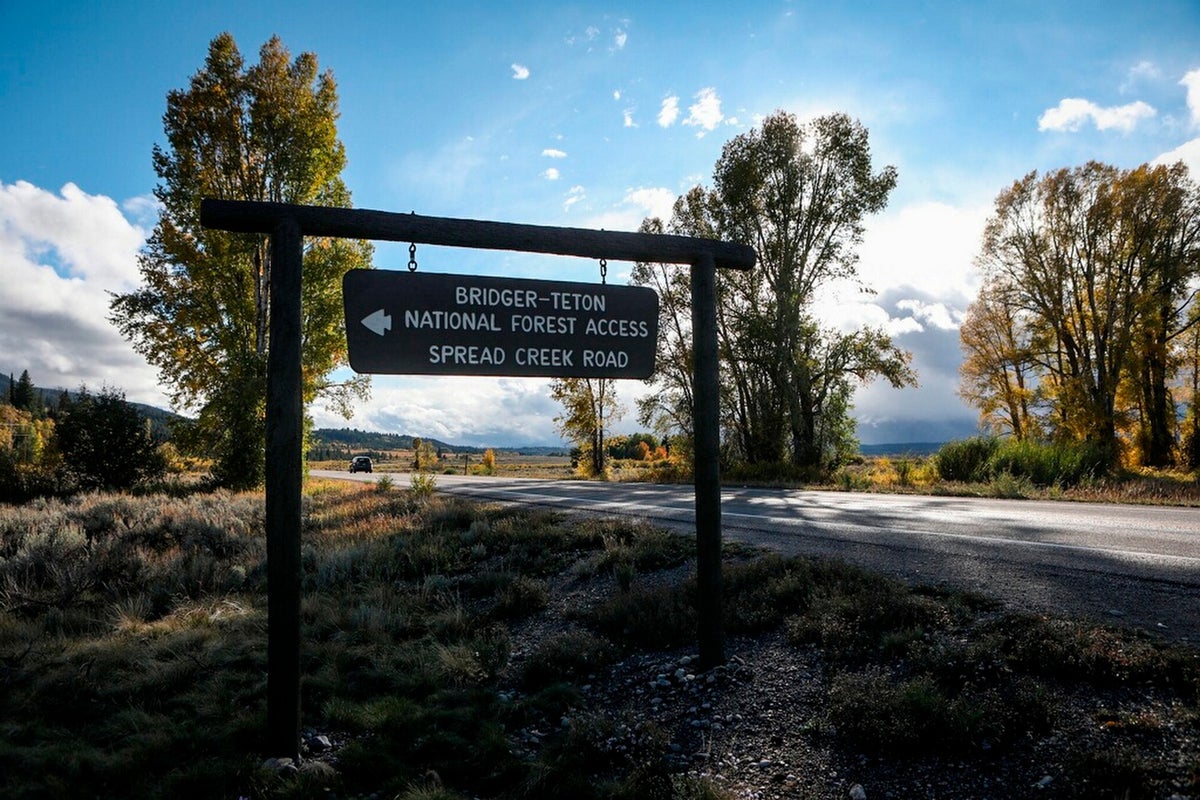
The project, called “Neighbors to Nature: Cache Creek Study,” examined how elk, moose, mule deer, black bear, coyote, skunk, and mountain lion responded to hikers, mountain bikers, cross-country skiers, and domestic dogs. The study area lies in Bridger-Teton National Forest and borders the Gros Ventre Wilderness and National Elk Refuge.
Led by Courtney Larson of The Nature Conservancy, the team recorded roughly 310,000 photos of humans, 54,000 detections of domestic dogs, and 8,300 photos of wild mammals. The research was conducted with Bridger-Teton National Forest, Jackson Hole Wildlife Foundation, Friends of Pathways, and Teton Raptor Center.
Elk showed the strongest response, shifting activity to morning and evening hours and avoiding the most heavily used areas. Moose adjusted their timing of habitat use but did not leave the area entirely. Mule deer, black bear, coyote, skunk, and mountain lion showed no significant change in habitat use.
Foot traffic produced more negative responses than cycling or the presence of domestic dogs. The researchers noted that the cameras captured a snapshot of conditions after decades of existing recreational use.
The findings were published in April in the journal Conservation Science and Practice. The data come as the Bridger-Teton National Forest begins revising its 36-year-old forest plan, where recreation management is expected to be a central topic. Courtney Larson said the results were mostly encouraging but cautioned against interpreting them as evidence of zero impact.
Linda Merigliano, a retired Bridger-Teton recreation specialist, said the area is not a sacrifice zone and that its proximity to protected lands supports continued coexistence between recreation and wildlife.