Study Identifies Mechanisms Behind Antarctic Sea Ice Decline Since 2015
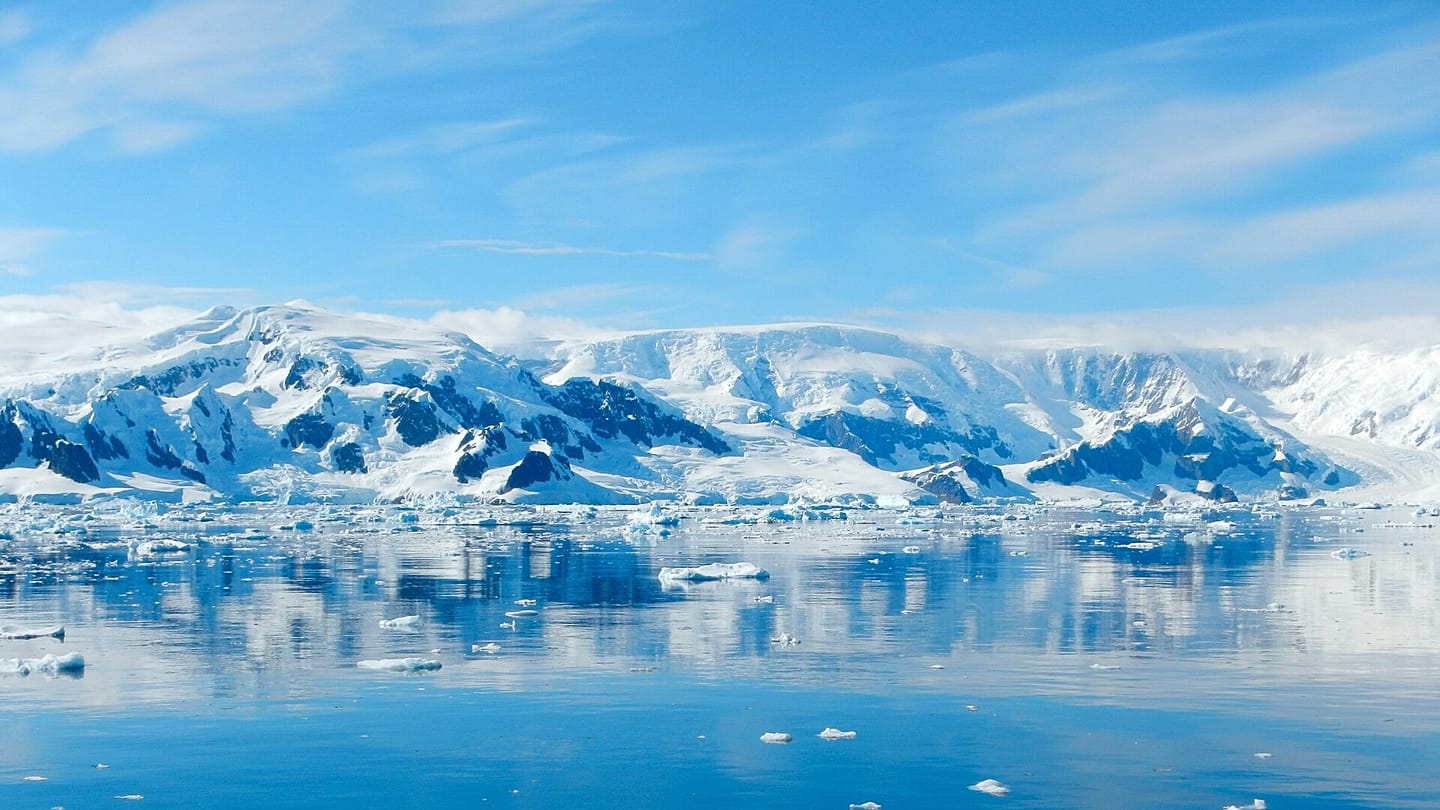
A University of Southampton-led study published in Science Advances traces how strengthening winds, deep ocean heat and a feedback loop drove massive Antarctic sea ice losses equivalent to nearly the size of Greenland. Lead author Aditya Narayanan described a progression from slow heat build-up to violent mixing that now prevents ice recovery.
EuronewsA new study published in the journal Science Advances has identified the mechanisms behind the collapse of Antarctic sea ice, which unfolded in three stages over the past decade after 2015. The study was led by researchers at the University of Southampton.
It found that around 2013, strengthening winds started drawing warm, salty circumpolar deep water closer to the surface beneath Antarctic sea ice.
Powerful winds then churned heat upward, triggering rapid sea ice melting in East Antarctica. Since 2018, the region has been trapped in a feedback loop where less sea ice leaves the ocean surface warmer and saltier, making new ice formation harder. The sea ice losses wiped out an area nearly the size of Greenland.
In East Antarctica, the sea ice decline is largely due to warm water rising from the deep. In West Antarctica, warm air from the subtropics and persistent cloud cover trapped heat near the ocean surface, contributing to major melting events during the summers of 2016 and 2019.
Antarctic sea ice reflects as much as 80 per cent of sunlight back into space. When it disappears, the darker ocean absorbs more heat and accelerates warming. From 2002 to 2020, Antarctica lost roughly 149 billion metric tons of ice each year.
Scientists estimate that every centimetre of sea level rise exposes around six million people to coastal flooding. Warmer ocean waters can also erode ice both on land and at sea, increasing the risk of ice shelves collapsing. “This isn't just a regional problem,” said Alessandro Silvano.
Tourism to the continent has grown sharply even as instability increases. Around 122,000 people visited Antarctica in 2024, up from approximately 44,000 in 2017. Researchers from the University of Tasmania estimate visitor numbers could eclipse 450,000 annually by 2033.
Euronews reported on the study and its implications for the Southern Ocean and global climate systems.
Key Facts
Story Timeline
6 events- 2013
Strengthening winds began drawing warm, salty circumpolar deep water closer to the surface beneath Antarctic sea ice
1 sourceUniversity of Southampton study - 2015 onward
Collapse of Antarctic sea ice unfolded in three stages over the past decade
1 sourceScience Advances study - 2016 and 2019
Major melting events occurred in West Antarctica during the summers
1 sourceUniversity of Southampton study - 2018 onward
Region trapped in feedback loop with warmer, saltier ocean surface inhibiting new ice formation
1 sourceUniversity of Southampton study - 2024
Approximately 122,000 people visited Antarctica
1 sourceIAATO - 2026-05-09
University of Southampton study published in Science Advances detailing the three-stage collapse
1 sourceEuronews
Potential Impact
- 01
Reduced sea ice diminishes albedo effect, causing darker ocean to absorb more solar heat and accelerate global warming
- 02
Increased risk of ice shelf collapse and sea level rise, with each centimetre exposing six million people to coastal flooding
- 03
Potential transition of Southern Ocean from climate stabiliser to driver of further warming if low sea ice persists past 2030
- 04
Rising human visitation adds pressure through contamination, invasive species, and disease risks to fragile Antarctic ecosystem
Transparency Panel
Related Stories
indianexpress.comWHO Issues First Global Guideline on Infertility Prevention and Treatment
The World Health Organization released its first global guideline calling on countries to improve fertility care by making it safer, fairer and more affordable. Infertility affects an estimated 1 in 6 people of reproductive age. The recommendations cover prevention, diagnosis and…
Nbc NewsHiker Found Dead From Suspected Bear Attack in Glacier National Park
Search crews discovered the body of a missing 33-year-old Florida man about 50 feet off the Mt. Brown Trail in Glacier National Park on Wednesday. Park officials said his injuries were consistent with a bear encounter. The last fatal bear attack in the park occurred in 1998.
Substrate placeholder — needs reviewPentagon Releases UFO Documents as Trump Urges Public Review
The Pentagon released UFO documents on Friday. President Trump said the public should "have fun" deciding for itself what the materials show. CBS News reported the release and Trump's statement.