Study Identifies Windows for Possible Extreme Solar Flares Through 2027
Researchers analyzed five decades of satellite data and identified two periods in Solar Cycle 25 when an S-class superflare is statistically more likely. The study proposes a probabilistic forecasting method based on recurring solar wave patterns.
 Forbes
An international research team led by scientists at the National Autonomous University of Mexico published a study in the Journal of Geophysical Research: Space Physics that outlines periods of elevated probability for extreme solar eruptions. The study examined data from Geostationary Operational Environmental Satellites collected between 1975 and 2025.
Researchers identified 37 S-class events, defined as flares exceeding X10 intensity, across prior solar cycles.
7 years and seven years to increased flare probability when both align in a positive phase. Machine-learning models applied to these cycles point to two elevated-risk intervals during Solar Cycle 25: mid-2025 through mid-2026, primarily in the sun’s southern hemisphere, and early-to-mid 2027, shifting toward northern latitudes.
Solar Cycle 25 reached its estimated maximum in October 2024, according to NOAA and NASA. Every cycle since the late 1970s produced at least one Earth-directed S-class flare except the current cycle, the study states.
An S-class flare could damage satellites, interfere with GPS signals, disrupt radio communications, and trigger large-scale electrical outages. The study notes that advance identification of high-risk windows could give satellite operators and power-grid managers one to two years of preparation time.
NASA completed the Artemis II mission, which carried four astronauts around the moon. Artemis III, planned to test docking procedures in Earth orbit, is scheduled for 2027, and Artemis IV, intended to land astronauts at the lunar south pole, is listed for 2028–2029.
Transparency
Reported by a single outlet. This score reflects source tier and factual specificity — corroboration is limited with one source.
Story details
Related Stories
 benzinga.com
Aditxt Names New CFO After Previous Executive Departs
Aditxt Inc. appointed Thomas J. Farley as chief financial officer effective June 1 2026 replacing Wenbin Jiang who resigned the same day. The change triggers updated executive-compensation disclosures and requires the company to file a separate Form 8-K within four business days…
 thehindu.com
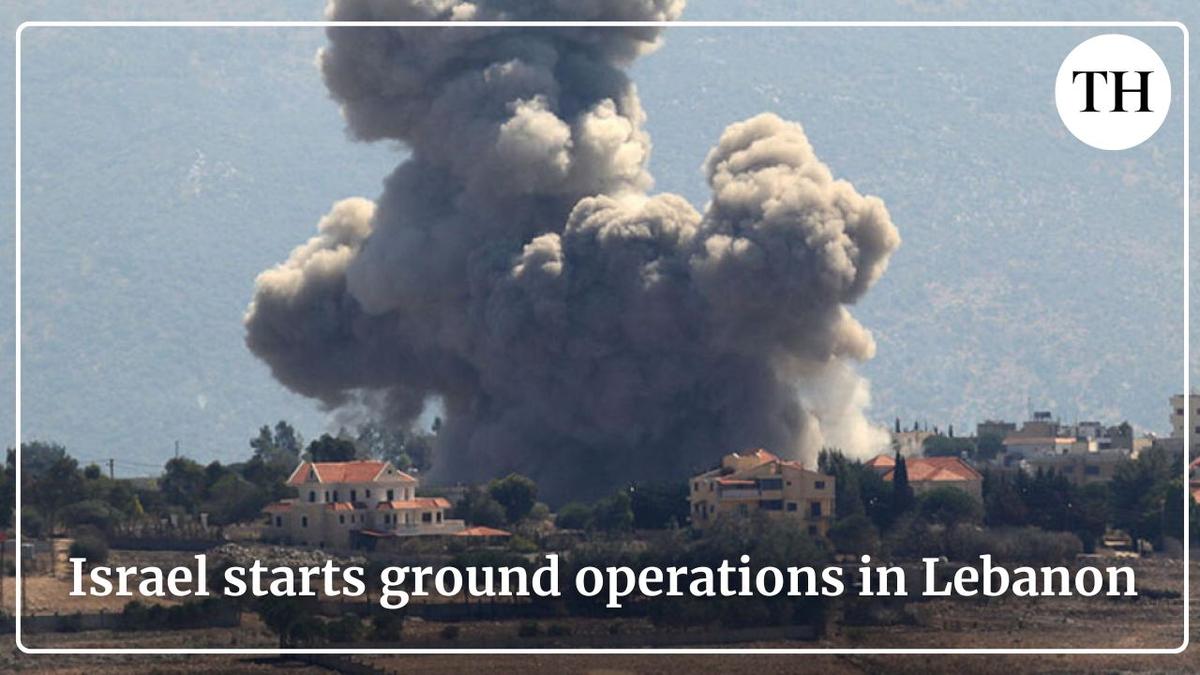
Israeli Forces Capture Beaufort Castle in Expanded Lebanon Ground Assault
Israeli troops seized a medieval hilltop fortress in southern Lebanon on Sunday during the broadest ground incursion into the country in 25 years. Hezbollah intensified rocket and drone attacks on northern Israel as the offensive widened.
 middleeasteye.net
U.S. and Iran Exchange Strikes on Military Targets, Oil Prices Rise
Washington and Tehran traded fresh strikes on military sites. Oil markets reacted as ships avoided the Strait of Hormuz and peace talks faced renewed uncertainty.