Study Links More Than 10 Hours Daily Inactivity in Pregnancy to Higher Blood Pressure Risk, But Notes Many Factors Outside Women’s Control
Researchers tracking 470 women found risks rose sharply when sedentary time exceeded 10 hours and light movement fell below five hours. The study was published in the British Journal of Sports Medicine.
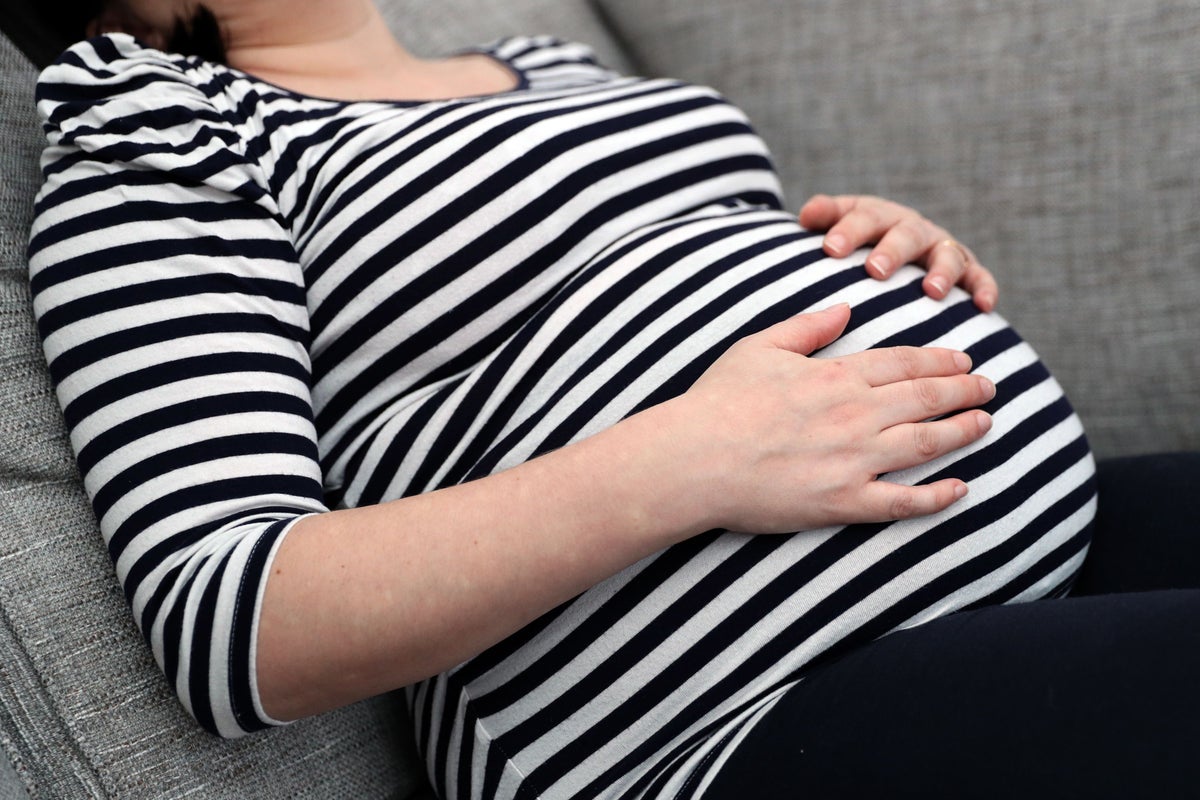 The Independent
Researchers who fitted 470 pregnant women with 24-hour activity trackers found that spending more than 10 hours sedentary and fewer than five hours in light exercise each day was linked to a sharp rise in high blood pressure disorders, regardless of trimester.
The study, published in the British Journal of Sports Medicine, recorded levels of intense exercise, light exercise, sedentary time and sleep for seven consecutive days in each trimester. Eighteen per cent of the participants developed a high blood pressure disorder.
The lowest risk profile showed six hours of inactivity, eight hours of light exercise, seven minutes of moderate or vigorous exercise and 10 hours of sleep. Risks increased exponentially once sedentary time reached 10 hours or more and light movement dropped below five hours.
High blood pressure disorders affect between 8 and 10 per cent of pregnancies, according to the National Institute for Health and Care Excellence.
These include gestational hypertension, which appears after 20 weeks in women whose blood pressure was previously normal, and pre-eclampsia, which can be symptomless and may progress to eclampsia with seizures or coma. Researchers said women should aim to limit inactivity to eight hours a day while increasing light exercise to seven hours to reduce the likelihood of these conditions.
Clare Livingstone, head of professional policy and practice at the Royal College of Midwives, said pre-eclampsia is a complex condition with risk factors often outside a woman’s control.
She added that more research is needed to understand links between activity levels and pregnancy outcomes. Livingstone noted that staying active can benefit physical and mental wellbeing, but every pregnancy differs and factors such as existing health conditions, complications, disability or caring responsibilities can limit activity.


