science
Study Links Warmer Antarctic Soils to Higher Plant Fungal Pathogen Levels
Soil DNA samples from Chile to the Antarctic Peninsula show that plant fungal pathogens increase with higher air temperatures. Researchers project that under medium to high greenhouse gas emissions scenarios, these fungi could double in some coastal Antarctic soils by 2100.
 Science News
Audio version
Tap play to generate a narrated version.
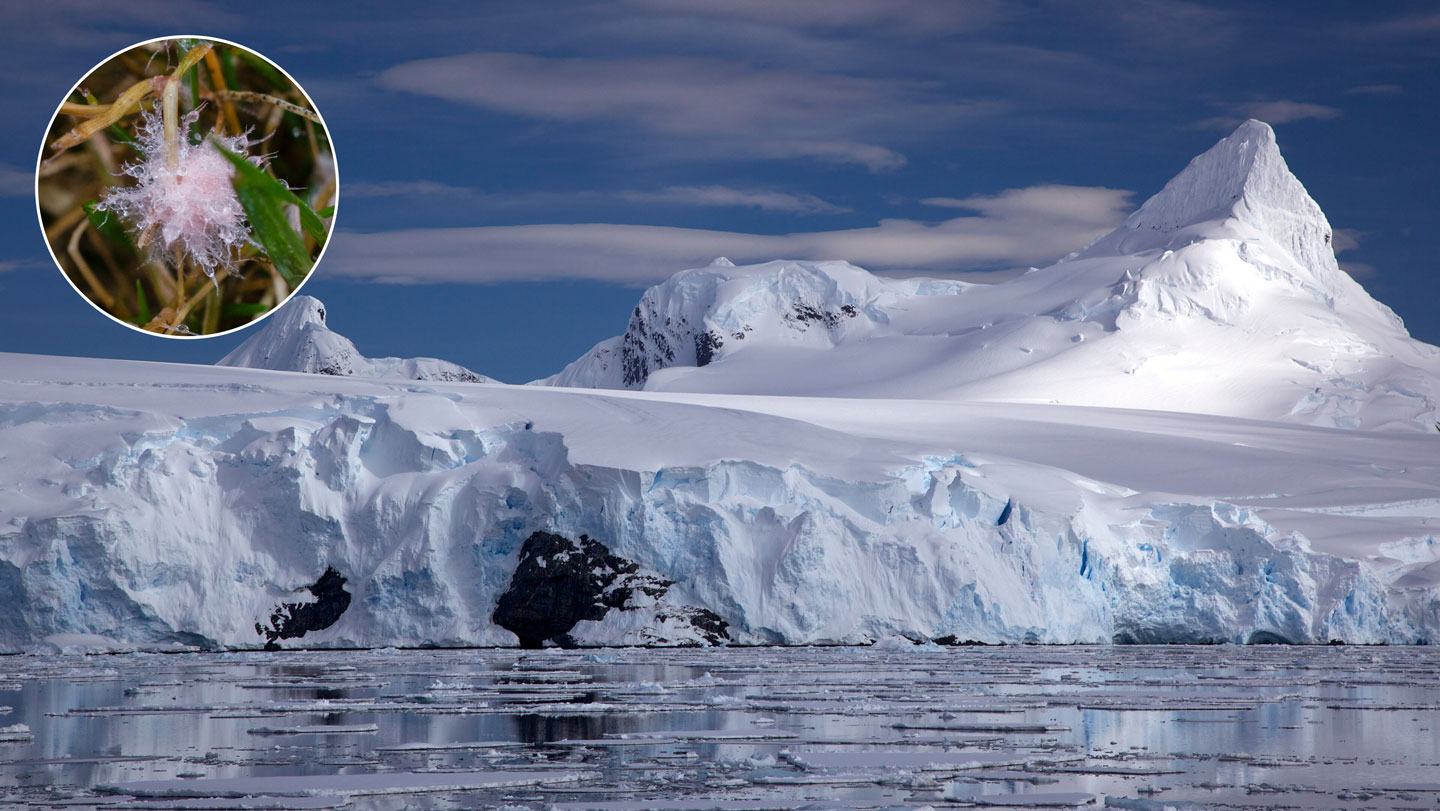
Soil samples collected along a 1,900-kilometer transect from southern Chile through Antarctic islands to the Antarctic Peninsula show higher numbers and greater diversity of plant pathogenic fungi in warmer locations. Less than 1 percent of Antarctica’s land is ice-free.
Even the relatively mild Antarctic Peninsula experiences up to eight months of snow cover, limiting plant growth to mosses and liverworts.
Researchers analyzed fungal DNA from more than 50 soil samples. They correlated fungal abundance and diversity with local climate data at each site. The analysis found a direct relationship: warmer air temperatures corresponded to more pathogenic fungi in both quantity and variety.
By 2100 Under medium-high to high future greenhouse gas emissions scenarios, the occurrence of these fungi could double in some coastal Antarctic soils by the end of the century. The southernmost soils examined, on islands along the Antarctic Peninsula, currently contain relatively few pathogenic fungi.
Kevin Newsham, a soil and plant ecologist with the British Antarctic Survey, noted that even one new fungal species could affect Antarctica’s plant communities. Newsham stated that historical examples from temperate regions, including chestnut blight in North America and Dutch elm disease in Europe, show how introduced pathogens can damage unprepared plant populations.