world
Study of royal mummies shows ancient Egyptian princesses used archery and hunting weapons
Examination of three mummified daughters of Pharaoh Amenemhat II found muscle and bone changes consistent with repeated use of bows, arrows and maces. The research overturns earlier views that the weapons were only symbolic.
Jul 17, 4:08 AM·1m read2 sources

 theconversation.com
Audio version
Tap play to generate a narrated version.
Developing·Limited corroboration so far. This page will refresh as more sources emerge.
Analysis of skeletal remains from three royal women buried at Dahshur shows physical evidence that they regularly drew bows and handled other weapons. The mummies were first found in the 1890s, later lost, and rediscovered at the Egyptian Museum in Cairo.
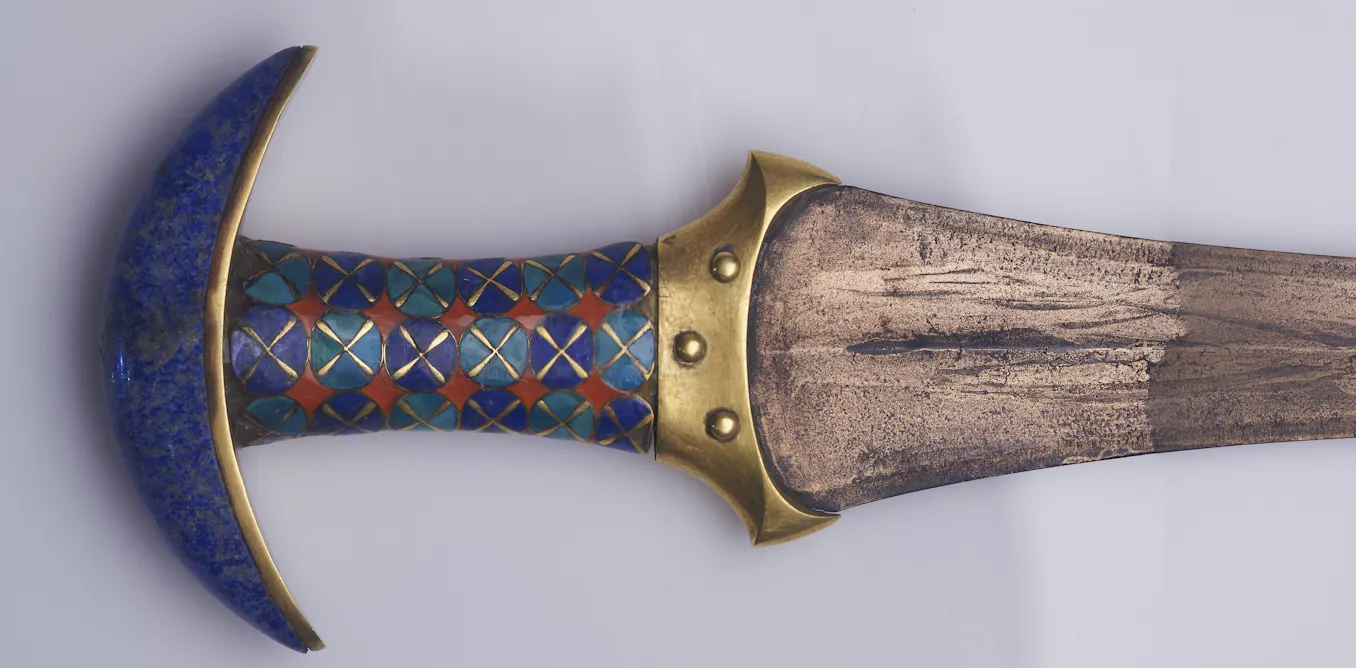
Bows, arrows, daggers and maces were placed with the burials. Earlier researchers had treated these items as ceremonial objects meant for male occupants.
Skeletal evidence Bone markings on the upper limbs indicate repeated high-force movements such as pulling a bowstring. Healed fractures in ribs and feet point to impacts from falls or blows. One woman died between ages 28 and 34, another in her late 30s or early 40s, and the third between 20 and 34. All three showed developed muscle attachments and healed injuries.
Context and records The women were daughters of Amenemhat II, who ruled during Egypt's Middle Kingdom and died in 1895 BC. Their remains were interred inside his pyramid complex. Historical accounts already note that some royal women led military campaigns and commanded troops.
The new skeletal data adds physical support for those records. The study was published in Frontiers in Environmental Archaeology.