Sudan Farmers Cite Higher Fuel and Fertilizer Costs Ahead of Planting Season
Sudanese farmers report that rising global fuel and fertilizer prices tied to the Iran conflict will reduce planting this summer. The changes come as the country already faces widespread hunger linked to its ongoing civil war.
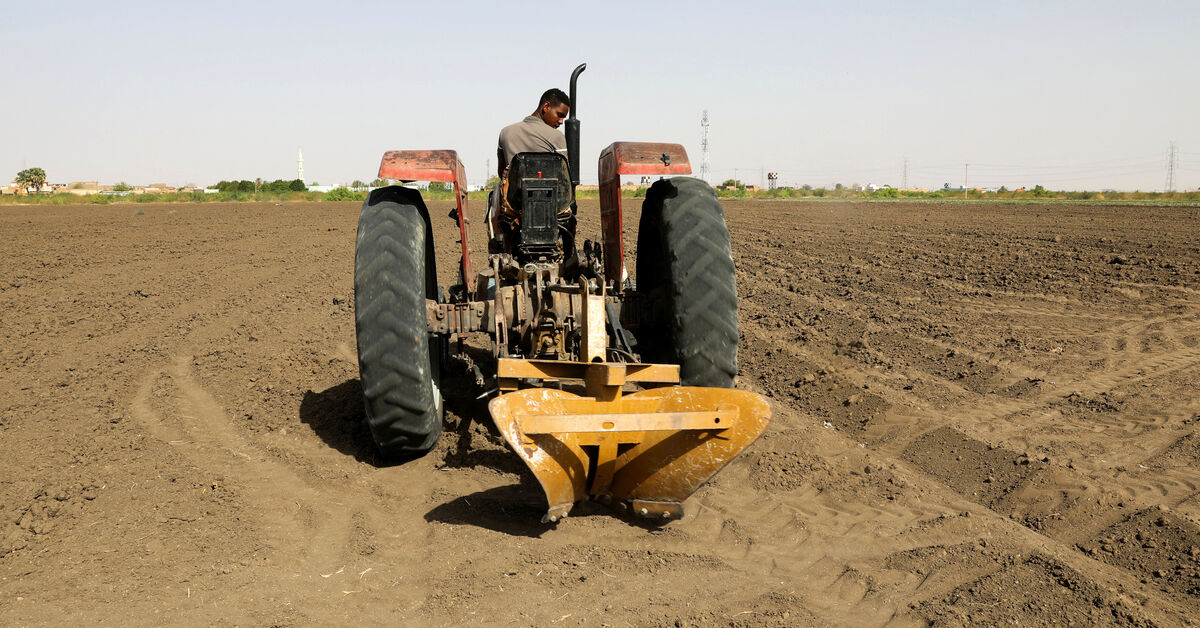
thegatewaypundit.comFarmers across Sudan say increased global fuel and fertilizer costs linked to the Iran conflict will lead them to reduce planting this summer. The reductions would limit food production in a country where war has already produced acute hunger. Eight farmers from different regions and sector experts told Reuters that the price increases would add to difficulties caused by civil war.
The changes would affect staple crops such as sorghum and millet as well as export crops like sesame. Sudan relies on the Gulf for more than half of its fertilizer needs, according to U.N. data. The country is also entirely dependent on fuel imports because of the war between the Sudanese army and the paramilitary Rapid Support Forces.
19.5 million people, more than 40 percent of the population, face crisis levels of hunger, with some areas at risk of famine, according to a U.N.-backed monitor. About two-thirds of the population depend on farming for their livelihoods. The U.N. Food and Agriculture Organization's senior food security analyst in Sudan said the regional conflict has added to existing problems and warned that overall production could fall by not less than 40 percent.
The U.N.'s humanitarian office stated this month that a sustained shock risks worsening hunger well beyond the current food crisis.
After more than three years of war, the army controls central and eastern regions while the Rapid Support Forces control Darfur in the west. The sides are fighting over the Kordofan region, which is important for agriculture. In southern Omdurman's Jamuia scheme, fertilizer prices have risen 67 percent year-on-year and fuel prices, including diesel for irrigation pumps, have more than doubled, according to national surveys.
Only 500 out of 10,000 feddans have been planted about halfway through the season, according to the scheme's farmers' committee secretary.
Farmers say the army-aligned government has not provided assistance because its budget is directed toward the war effort. The head of a farmers' collective in the Gezira scheme said the state-backed Agricultural Bank has priced inputs too high and products too low, driving farmers into debt.
The bank's head told Reuters it would work to alleviate the burden on farmers by providing inputs on better terms over longer periods. The Agriculture Ministry's director for agricultural production said the ministry had agreed with the bank to create a new fund and was working to rehabilitate irrigation canals.
Kordofan and Darfur, continued lawlessness threatens production of sesame, peanuts, gum arabic, and millet. A farmer displaced from West Kordofan to El Obeid said there is no funding, no machinery, and no security because armed groups loot crops and demand money at checkpoints.
A director at one of the country's largest agricultural suppliers said sending supplies into the regions is expensive and risky, and small-scale subsistence farmers are struggling in particular.
Key Facts
Story Timeline
2 events- May 25, 2026
Farmers report planned reductions in summer planting due to higher fuel and fertilizer costs.
1 sourceAl-Monitor - February 2025
Rapid Support Forces left southern Omdurman area after previously damaging irrigation infrastructure.
1 sourceAl-Monitor
Potential Impact
- 01
Farmers in multiple regions may plant fewer staple and export crops this season.
- 02
National cereal production may fall further from levels already down 25 percent from pre-war average.
- 03
Subsistence farmers in Kordofan and Darfur may face continued difficulties obtaining inputs and security.
Transparency Panel
Related Stories
straitstimes.comJournalists in Gaza to Receive 2026 Golden Pen of Freedom Award
Three international news agencies will accept the award on behalf of their local staff still reporting from the territory. The World Association of News Publishers cited the journalists' continued coverage under extreme conditions.
upi.comSupreme Court Revives Havana Docks Lawsuit Over Confiscated Cuban Property
The U.S. Supreme Court sent a Helms-Burton Act case back to lower courts for further argument. The suit seeks damages from cruise lines that used docks seized by Cuba in 1959.
France 24Pakistan Population Growth Outpaces Infrastructure as Male Contraception Stays Taboo
Pakistan's population exceeds 258 million and could reach 300 million by 2030. Contraception remains largely taboo in a society shaped by traditional values. The country continues to lag behind neighbors India and Bangladesh in key social sectors.