world
Sudan Minister Says War Reshaped Demographics, Though Some Displaced Have Returned
Mutasim Ahmed Saleh stated on July 16 that the conflict has altered population distribution, poverty levels and labor markets. The war between the army and Rapid Support Forces began in April 2023.
Jul 16, 9:45 AM·2m read1 source
 news.sky.com
Audio version
Tap play to generate a narrated version.
Developing·Limited corroboration so far. This page will refresh as more sources emerge.
Sudanese Minister of Human Resources and Social Development Mutasim Ahmed Saleh said on July 16 that more than three years of war have profoundly reshaped the country’s demographic makeup. Saleh told Al Jazeera Arabic that his ministry is working with partners to strengthen population policies and connect them to social protection programmes.
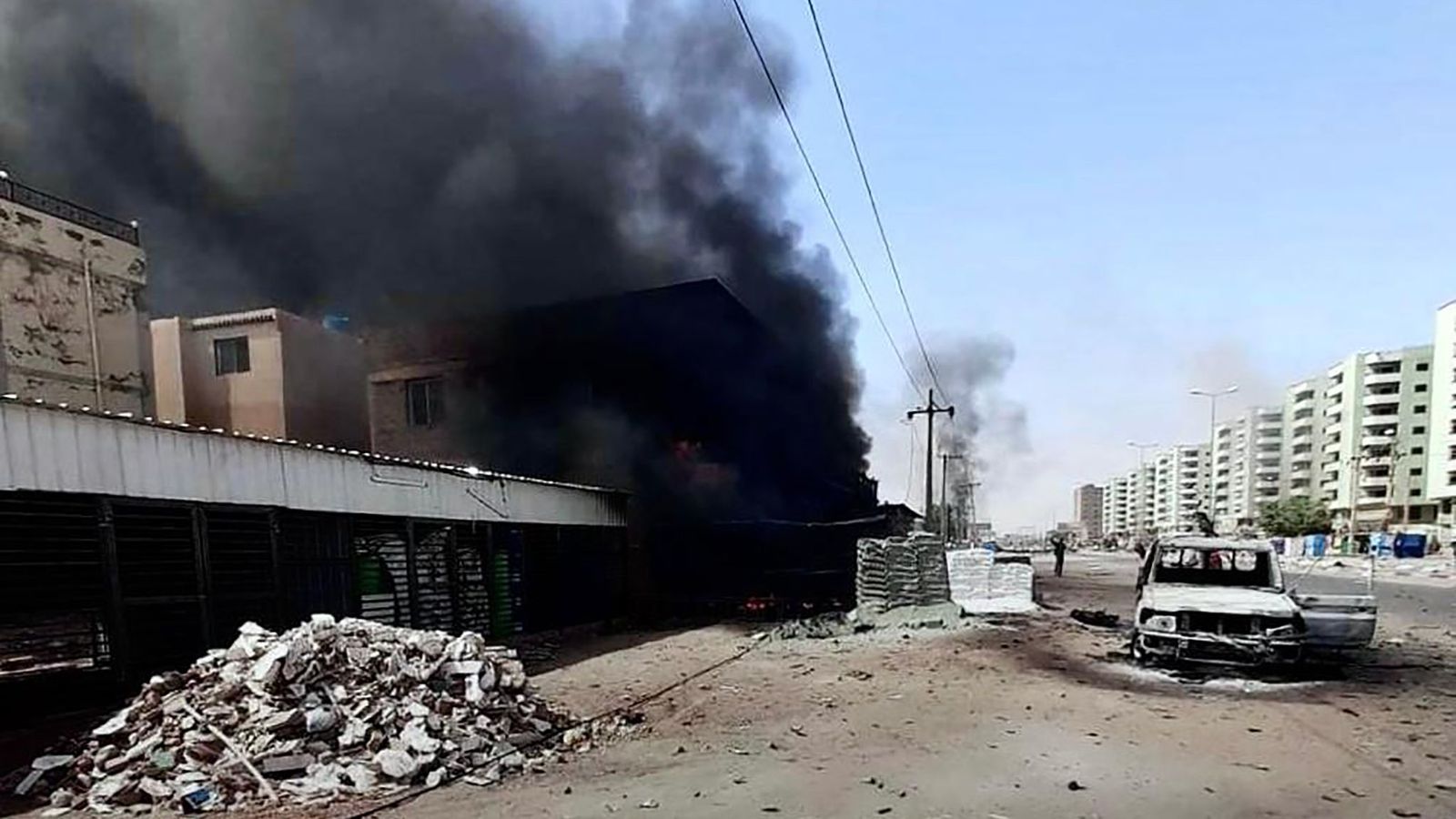
Sudan has been in civil war between its army and the Rapid Support Forces since April 2023.
The conflict is estimated to have killed about 200,000 people and displaced more than 11 million, which the United Nations describes as the world’s largest humanitarian crisis. Before the war, official data projected Sudan’s population would exceed 64 million by 2035; the 2020 population stood at about 44.4 million with a growth rate of 2.39 percent.
The war displaced millions internally in South Darfur, North Darfur and Central Darfur states and sent tens of thousands to seek asylum in Egypt, South Sudan and Chad.
Saleh said the changes include higher poverty, lost income for many citizens, deterioration of basic services and declines in the labour market and human capital. On July 11, World Population Day, Saleh said the government would focus on the people as the state’s ultimate aim and strengthen social protection programmes.
Through the National Population Council and other partners, the ministry plans to link population policies to voluntary refugee returns, reintegration of displaced people and human resource development.
He said investing in people is the real investment in Sudan’s future. About 70 percent of Sudan’s population is under age 30, according to the 2008 census. Khalid Saad, director of the Sudanese Center for Development Communication, said the population crisis predated the war and that the conflict has deepened imbalances by emptying some areas, overburdening cities and prompting returns to zones retaken by government forces.