Supreme Court Allows FCC In-House Fines Against Wireless Carriers, Rejects Jury-Trial Challenge in 8-1 Ruling
The U.S. Supreme Court ruled 8-1 that the FCC can continue issuing initial penalties through internal proceedings. The decision resolves a split between appeals courts over AT&T and Verizon challenges.
 arstechnica.com
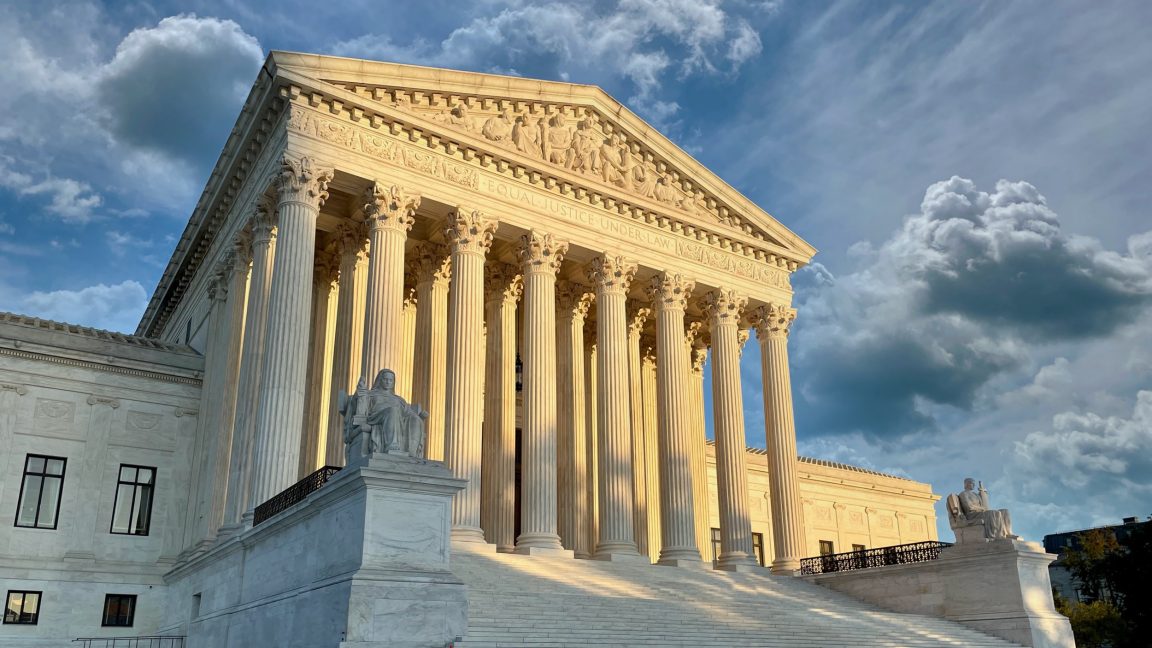
U.S. Supreme Court ruled 8-1 on Thursday that the Federal Communications Commission may continue using in-house proceedings to issue initial fines against wireless carriers.
U.S. Constitution. The FCC had fined AT&T $57 million and Verizon nearly $47 million after determining the carriers sold customer location data to third parties without user consent. The agency also assessed $80 million against T-Mobile and $12 million against Sprint, which T-Mobile acquired in 2020.
In total, the FCC imposed nearly $200 million in penalties on carriers it said failed to safeguard customer data. AT&T and Verizon paid the fines but challenged the in-house assessment procedure in federal appeals courts, producing conflicting rulings.
U.S. Circuit Court of Appeals upheld the FCC’s process in Verizon’s case. U.S. Circuit Court of Appeals ruled against the agency in AT&T’s case, finding the initial assessment violated the right to a jury trial.
Justice Department lawyers argued that the FCC’s assessments are not binding and that companies can still contest collection efforts before a jury in court. The Supreme Court adopted the government’s view that the FCC’s system does not block later judicial review. The ruling follows a 2024 decision that limited the Securities and Exchange Commission’s use of in-house proceedings.
The companies had contended that the FCC’s initial assessments cause reputational harm before any court hearing occurs. U.S. Circuit Court of Appeals stated in its ruling in the Verizon case.
The Supreme Court also referenced its 2025 decision that endorsed the FCC’s method of funding its program to expand phone and broadband access for low-income and rural Americans.
Transparency
Story details
Related Stories
 rediff.com
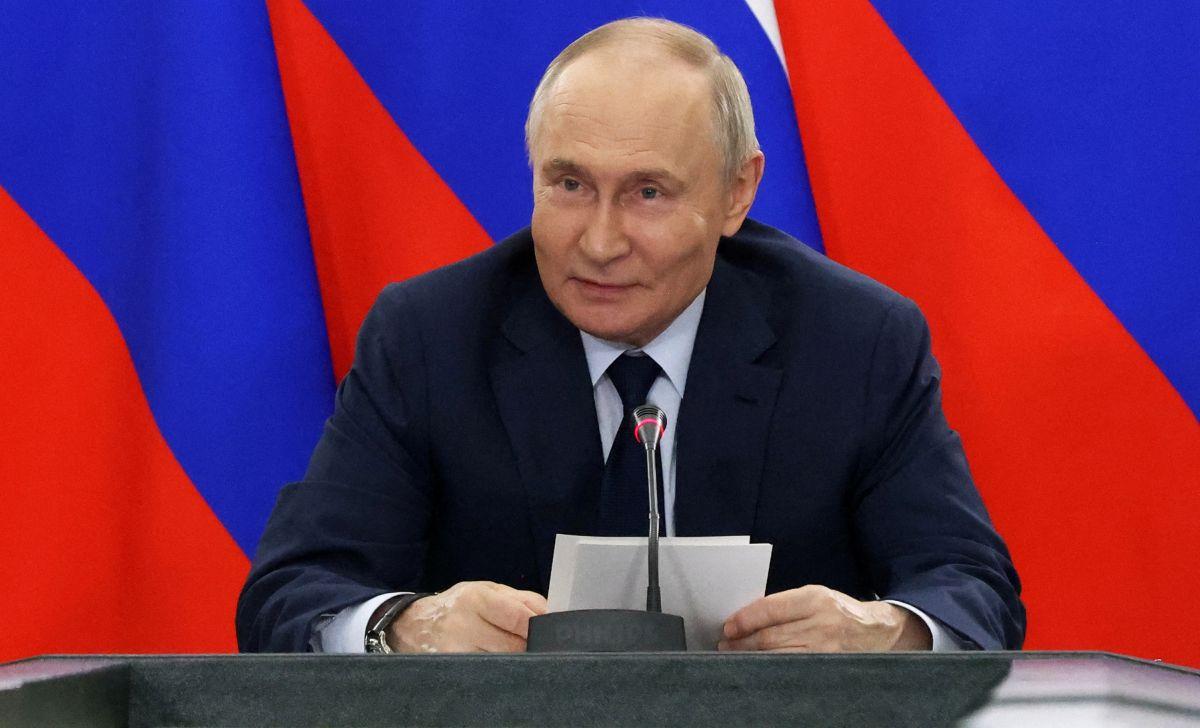
Russia and China Close to New Energy Deals, Putin Says
Russian President Putin stated that Russia and China will soon complete new energy agreements expected to benefit the global energy market. He also discussed nuclear projects in Egypt and Kazakhstan and Russia’s stance on talks with Ukraine.
 The Hill
Trump Administration Pardons Jan. 6 Rioter, Hires Him for Pentagon Counterterrorism Role
The Defense Department placed Elias Irizarry, who pleaded guilty to offenses at the Capitol and later received a pardon, in an office handling special operations and irregular warfare. The appointment occurred under the Trump administration.
 warontherocks.com
Presidential Message Marks 84th Anniversary of Battle of Midway
The White House issued a statement commemorating the June 4-7, 1942 Battle of Midway that ended Imperial Japan's naval supremacy in the Pacific. The message frames the victory as the decisive turning point that placed U.S. forces on the path to winning World War II.