technology
Supreme Court Says Geofence Warrants Need Probable Cause but Sends Case Back for Review
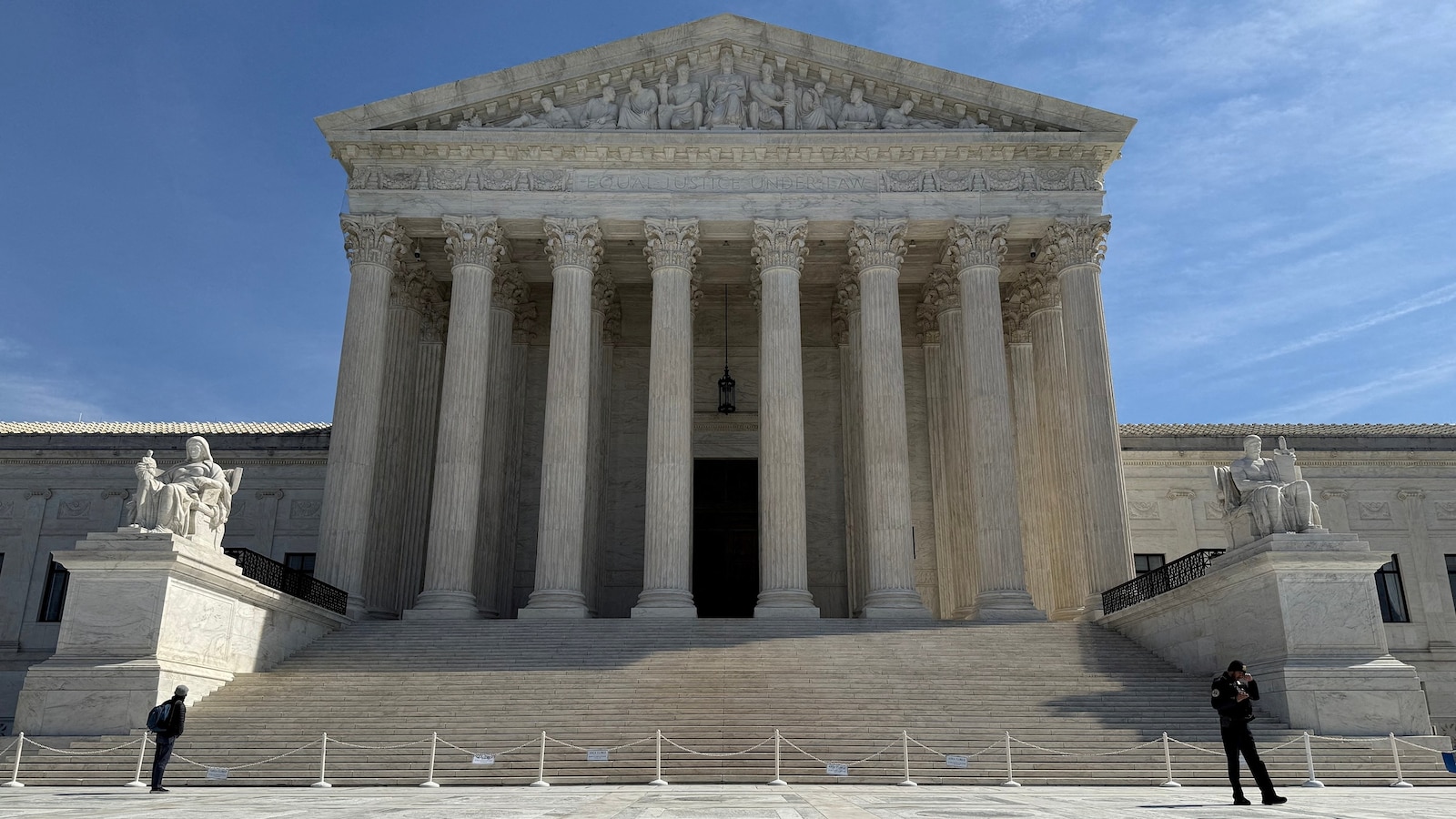
The U.S. Supreme Court issued a 6-3 decision on June 29 holding that geofence location warrants constitute Fourth Amendment searches. The ruling requires law enforcement to show probable cause before obtaining cell-phone location records from third-party companies.
 abcnews.go.com
Audio version
Tap play to generate a narrated version.
The U.S. Supreme Court ruled 6-3 on June 29 that law enforcement must obtain a search warrant supported by probable cause before compelling tech companies to turn over cell-phone location data through geofence warrants. Justice Elena Kagan wrote the majority opinion.
She stated that an individual has a reasonable expectation of privacy in records about his cell phone’s location and that police intrude on that constitutionally protected interest when they demand the information from a third-party tech company. The case arose from an armed bank robbery in Midlothian, Virginia, in May 2019 in which $195,000 was taken.
Police used a geofence warrant covering a 150-meter radius and one-hour window to identify Okello Chatrie after he had opted into Google’s location-history feature.
Chatrie later pleaded guilty and was sentenced to nearly 12 years in prison. The Court rejected the government’s argument that activating location history constitutes a voluntary choice that eliminates privacy expectations. It noted that only about one-third of active Google account holders have opted into the service, a figure that exceeds 500 million users.
Justice Sonia Sotomayor wrote separately that even short-term monitoring of a person’s physical movements can provide a wealth of detail about his familial, political, professional, religious, and sexual associations. The ruling remands the case to the court of appeals to determine whether the specific geofence warrant in Chatrie showed probable cause.
The decision does not alter Chatrie’s sentence because earlier courts found the evidence was obtained in good faith.
Geofence warrants direct companies to search their databases for all users located within a defined geographic area during a specified time period. Companies that have received such warrants include Google, Microsoft, Uber, and Yahoo. The ruling marks the first Supreme Court decision on the scope of the Fourth Amendment regarding geofence warrants since the 2018 Carpenter decision.

