politics
Supreme Court Hears Arguments on Revocation of Temporary Protected Status
The U.S. Supreme Court held oral arguments on April 29, 2026, in cases challenging President Trump's revocation of Temporary Protected Status for Syrian and Haitian nationals. The cases address whether such decisions are subject to judicial review under immigration law. Attorneys for the administration and challengers presented arguments on the scope of review and procedural requirements.
 The Federalist
Audio version
Tap play to generate a narrated version.
Developing·Limited corroboration so far. This page will refresh as more sources emerge.
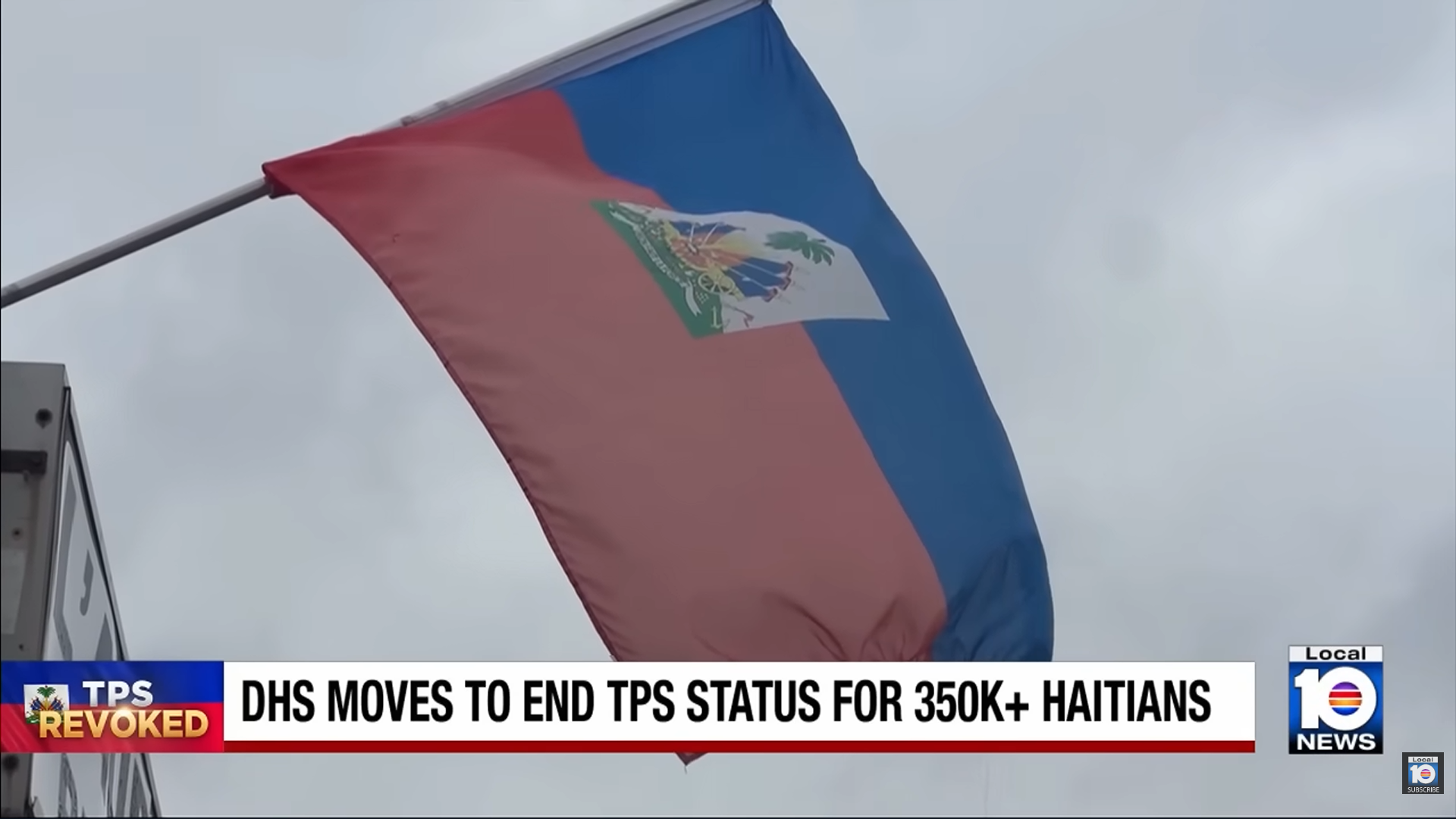
The U.S. Supreme Court heard oral arguments on April 29, 2026, in two consolidated cases, Mullin v. Doe and Trump v. Miot, concerning President Trump's revocation of Temporary Protected Status (TPS) for approximately 6,000 Syrian nationals and 350,000 Haitian nationals.
TPS allows the executive branch to grant temporary residency to foreign nationals from countries facing natural disasters, violent conflicts, or other extraordinary and temporary conditions. Lower courts had blocked the Trump administration's efforts to terminate TPS for these groups.
U.S. Sauer said the provision bars review of both the ultimate decision and antecedent steps. He added that even if claims are not barred, they are meritless.
Associate Justice Ketanji Brown Jackson questioned Sauer on which executive actions related to TPS are reviewable by courts. Associate Justice Sonia Sotomayor also asked about the scope of judicial review. Chief Justice John Roberts interjected to allow Sauer to respond to one of Sotomayor's questions.
Sotomayor and Jackson referenced past remarks by President Trump about certain countries and suggested that a discriminatory purpose may have influenced the TPS terminations. Associate Justice Elena Kagan asked Sauer about the reviewability of statutory requirements for determining country conditions and consultations with administration officials.
Associate Justice Clarence Thomas asked Sauer if Congress can limit TPS regulations given executive discretionary authority. Roberts questioned whether Sauer's argument expands the court's holding in Trump v. Hawaii (2018), which upheld travel restrictions.