Supreme Court Hears Case on Constitutionality of Geofence Warrants for Cellphone Location Data
The U.S. Supreme Court is examining whether geofence warrants violate 4th Amendment protections against unreasonable searches. The case stems from a 2019 armed robbery where authorities used such a warrant to obtain Google data on Okello Chatrie. A decision is expected by the end of June 2026.
 Substrate placeholder — needs review
U.S. Supreme Court on Monday began considering whether investigators can use geofence warrants to scan cellphone data from thousands of individuals in search of crime suspects. The case, Chatrie v. , marks the first time the justices are addressing whether these digital dragnets violate constitutional protections against unreasonable searches under the 4th Amendment.
@ABC reported that the hearing is scheduled for April 27, 2026, with a decision expected by the end of June 2026. Geofence warrants compel service providers to turn over user location history and timestamps within a specified area over a designated timeframe. Traditionally, investigators obtain warrants to seek information from a specific suspect in a crime.
In contrast, geofence warrants scan data from thousands of innocent individuals to identify a suspect, according to details in the case. The petitioner, Okello Chatrie, was indicted on charges related to an armed robbery of a Virginia credit union in 2019. Authorities obtained data from Google under a geofence warrant that placed Chatrie's cellphone within 150 meters of the bank during the crime.
@ABC reported that critics argue these warrants intrude on Americans' reasonable expectation of privacy by requiring broad disclosures of location data. The Trump administration is defending the geofence warrant and Chatrie's prosecution. Advocates describe the warrants as a critical tool for helping police solve crimes more quickly and enhance community safety, emphasizing that most cellphone users already transmit location data to third-party companies.
@ABC noted that the administration argues individuals forfeit privacy expectations by sharing location information with providers like Google. The case highlights evolving tensions between technological advances and constitutional rights. For generations, law enforcement has relied on targeted warrants, but geofence practices have grown with improvements in digital tracking.
A ruling could set precedents for how location data is handled in investigations across the United States.
Transparency
Story details
Related Stories
 foxnews.com
Israel Strikes Hezbollah Targets in Beirut Suburbs, Killing Two; Iran Fires Missiles at Israel
Iran fired missiles at Israel on June 8, the first such attack since an April ceasefire. Israel responded with strikes on Hezbollah infrastructure in Beirut that killed two and wounded 20.
 globalresearch.ca
Iran Fires Missiles at Israel; Trump Says No Injuries, Urges No Retaliation
President Trump stated that recent Iranian strikes caused no injuries and expressed hope that Israel will not respond. Officials are reported close to a deal that could end the current war.
 Semafor
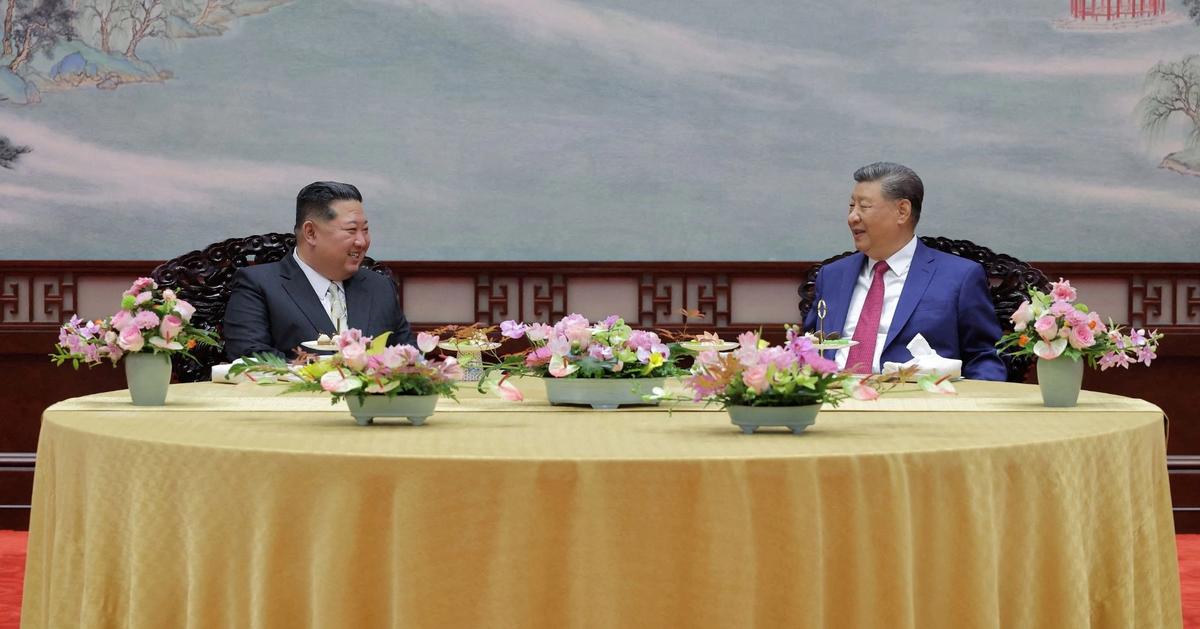
North Korea Restates Nuclear Status Ahead of Xi Visit
Kim Yo Jong stated that the DPRK’s status as a nuclear weapons state is the line of no retreat. The remarks came one day before Chinese President Xi Jinping is scheduled to arrive in Pyongyang for his first visit since 2019.