Supreme Court Narrows Voting Rights Act in Redistricting Case
The U.S. Supreme Court issued a 6-3 ruling in Louisiana v. Callais that limits challenges to congressional maps under the Voting Rights Act, invalidating Louisiana's map and halting its House primaries. Several Republican-led states are now moving to redraw districts for the 2026 midterms and beyond, potentially shifting seats toward the GOP.
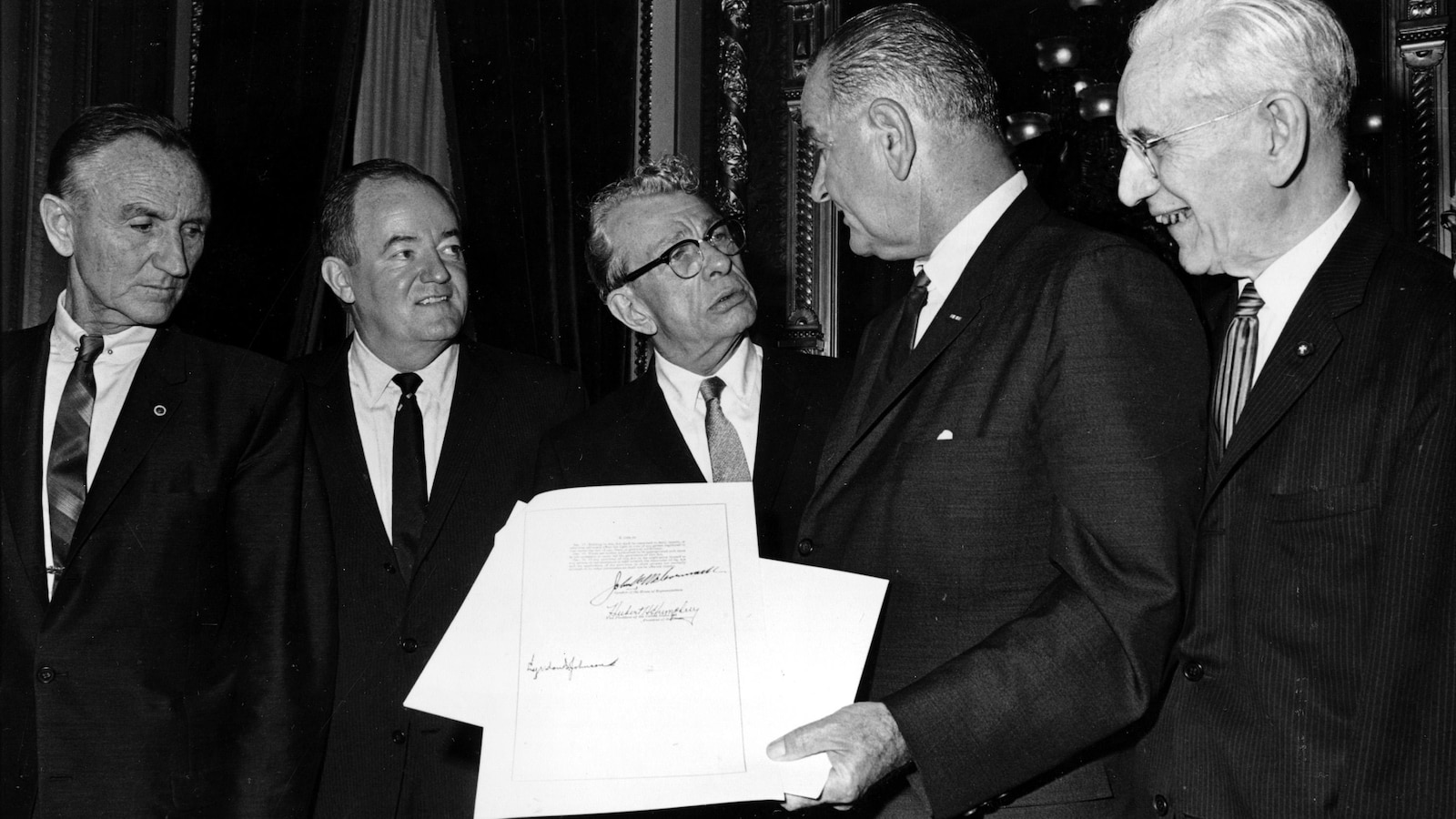
Wikimedia Commons (Public domain)The U.S. Supreme Court ruled 6-3 in Louisiana v. Callais to narrow Section 2 of the Voting Rights Act, making it harder for voters to challenge congressional maps alleged to dilute minority representation. The decision, authored by Justice Samuel Alito, requires evidence of intentional discrimination rather than just disparate impacts.
This ruling has immediate effects on the 2026 midterm elections, particularly in Southern states where redistricting efforts are underway. In Louisiana, the ruling invalidated the state's congressional map, which had included a second majority-Black district following prior litigation.
Secretary of State Nancy Landry declared an emergency and halted the May 16 House primaries. Gov. Jeff Landry issued an executive order directing lawmakers to pass a new map and set a revised election timeline.
State Responses to the Ruling Gov.
Jeff Landry stated that the decision removes race from redistricting considerations. He described the prior legal battles as a circus in federal courts. The state had created the second majority-Black district under Voting Rights Act requirements, but the Supreme Court found it violated constitutional standards.
In Tennessee, Gov. Bill Lee announced a special legislative session to review the congressional map. Sen. Marsha Blackburn, running for governor, urged redrawing to add a Republican seat in Memphis. President Donald Trump spoke with Lee and encouraged changes to gain an additional Republican seat.
Tate Reeves called a special session starting May 20, initially for judicial districts but potentially expanding to congressional maps. Republican strategists indicated possible redrawing of the 2nd Congressional District, held by Rep. Bennie Thompson, to create another Republican-leaning seat.
Thompson's district is the only Democratic-held seat in Mississippi's delegation.
Broader Redistricting Efforts Alabama Gov.
Kay Ivey reversed her earlier stance and called a special session to redraw maps, aiming to revert to 2023 congressional lines if court injunctions are lifted. She also plans to consider special elections for congressional and state senate seats. The state had been required to create a second majority-Black district, now in question.
In Florida, a new map backed by Gov. Ron DeSantis cleared the legislature, expected to add up to four Republican-friendly seats by altering districts in Tampa, Orlando, and the southeast coast. DeSantis's general counsel, David Axelman, argued that prior court mandates improperly emphasized race in districting.
Georgia Gov. Brian Kemp said the ruling will not affect the 2026 elections due to ongoing early voting through May 15, but new maps will be needed before 2028. Kemp welcomed the decision for restoring state authority in redistricting.
“I think that the Supreme Court has finally taken race out of redistricting." — Gov. Henry McMaster suggested lawmakers revisit the state's map, upheld in 2024, to ensure compliance with the new ruling. Mikie Sherrill expressed willingness to adjust redistricting, though constitutional limits apply. Colorado may vote on a ballot measure in November to allow map redrawing before 2028. The ruling is expected to influence the 2030 census redistricting, with GOP-led states potentially dismantling some majority-minority districts. Democrats, including Sen. Lisa Blunt Rochester and Rep. Troy Carter, called for passing the John Lewis Voting Rights Advancement Act, though it remains stalled. Carter noted the decision's nationwide impacts on various districts. Josh Rultenberg, author of Draw the Line in Ohio, described the ruling as one of the most consequential, allowing partisan gerrymandering and gutting Voting Rights Act protections. He warned that without congressional action, maps could face major changes by 2030.”
“We will march, mobilize, organize, and fight to defend the Voting Rights Act.”
The decision builds on prior redistricting, such as Virginia's new map potentially netting Democrats four seats, Texas Republicans aiming for five more, and California's referendum boosting Democrats by up to five. Both parties have been redrawing maps in controlled states, often offsetting gains.
T.W. Shannon criticized former President Obama's response to the ruling, arguing race should not decide districts. The ABC News source highlighted the Voting Rights Act's role in electing thousands of Black and Hispanic representatives over six decades.
Key Facts
Story Timeline
5 events- May 2, 2026
Alabama Gov. Kay Ivey called a special session to redraw congressional maps and consider special elections.
1 sourceWashington Examiner - May 1, 2026
Tennessee Gov. Bill Lee announced a special session to review the congressional map following the ruling.
1 sourceWashington Examiner - Apr 30, 2026
Supreme Court issued 6-3 ruling in Louisiana v. Callais narrowing Section 2 of the Voting Rights Act.
4 sourcesWashington Examiner · City Journal · Fox News · ABC News - Apr 29, 2026
Louisiana Secretary of State Nancy Landry declared an emergency and halted May 16 House primaries.
1 sourceWashington Examiner - Recent days
Florida legislature approved new map backed by Gov. Ron DeSantis, potentially adding four GOP seats.
1 sourceWashington Examiner
Potential Impact
- 01
Republican-led states will redraw maps to add GOP-leaning seats before 2026 midterms.
- 02
Partisan gerrymandering will increase without congressional intervention by 2030.
- 03
Minority representation in Congress will decrease in Southern states due to dismantled districts.
- 04
Special elections will be held in Alabama for congressional and state senate seats.
- 05
Democrats will push for Voting Rights Advancement Act, though it remains stalled in Senate.
- 06
Colorado voters will decide on ballot measure for pre-2028 map redrawing.
Transparency Panel
Related Stories
North Korea Updates Constitution, Omits Korean Unification References Amid International Trade Fair
North Korea has revised its constitution to eliminate references to unification with South Korea. The country also opened the Pyongyang Spring International Trade Fair on Monday, showcasing domestic products like the Jindallae smartphone. More than 290 enterprises from several na…
channelnewsasia.comU.S. Pauses One-Day Ship Guidance in Strait of Hormuz as Iran Talks Advance
President Trump announced a pause in the one-day-old effort to guide ships out of the Strait of Hormuz, citing progress toward an agreement with Iran. Secretary of State Marco Rubio declared the war with Iran concluded after a month-old cease-fire. The U.S. blockade remains in pl…
Trump Signs Memorandum to Revive Presidential Physical Fitness Award at White House Event
President Donald Trump signed a memorandum on May 5, 2026, restoring the Presidential Physical Fitness Award and reintroducing a competitive fitness test in U.S. schools. The event featured student athletes on the White House South Lawn, where Trump demonstrated his signature dan…