politics
Supreme Court Upholds Mississippi Law Allowing Mail Ballots Postmarked by Election Day to Arrive Later
The U.S. Supreme Court ruled 5-4 that states may count mail-in ballots postmarked by Election Day even if received later. The decision upheld a Mississippi statute allowing ballots to arrive up to five business days after Election Day. Justice Amy Coney Barrett authored the majority opinion.
DI
AB
 winnipegfreepress.com
Audio version
Tap play to generate a narrated version.
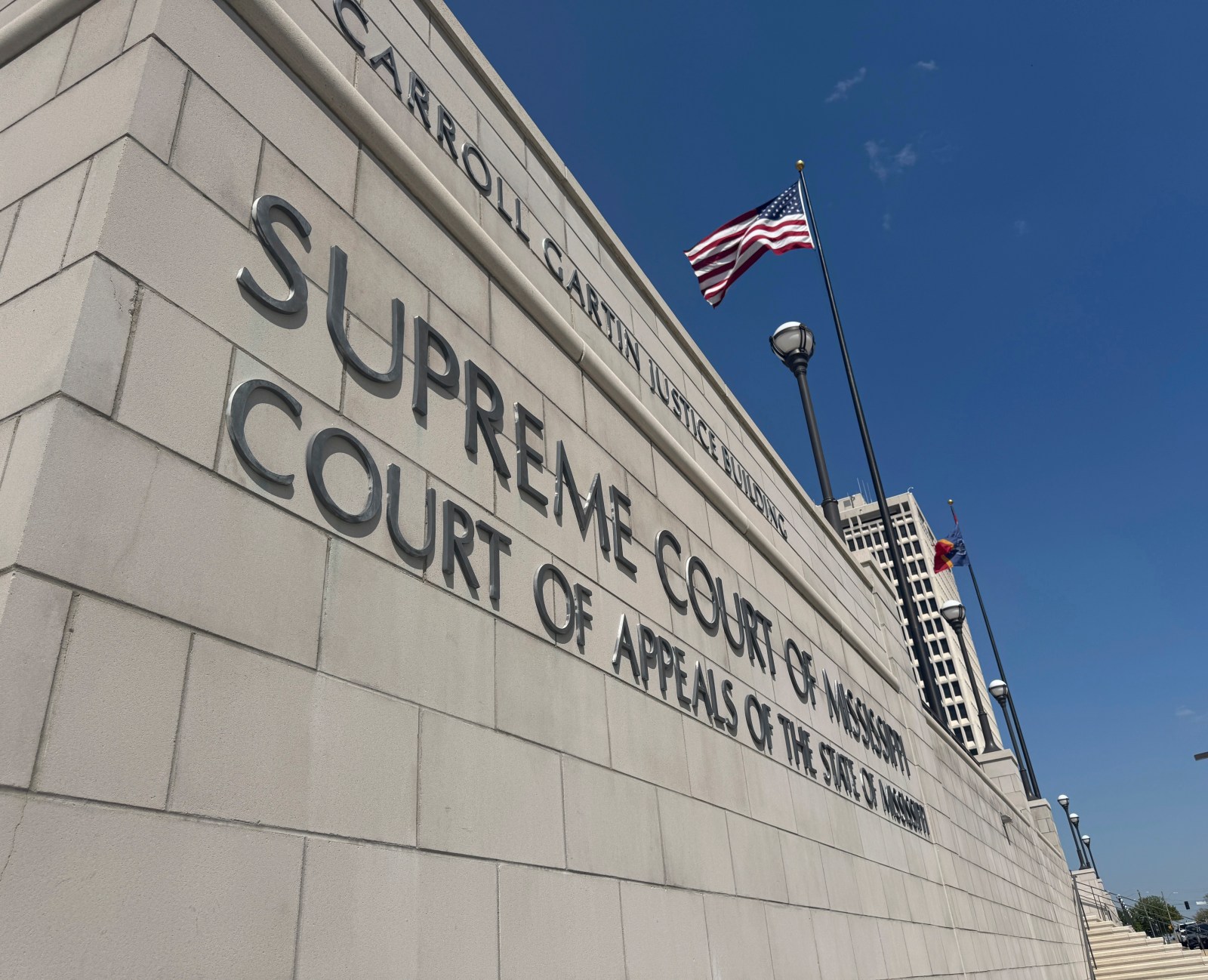
The U.S. Supreme Court ruled 5-4 on Monday that states may count mail-in ballots arriving after Election Day if postmarked by Election Day. The decision upheld a Mississippi law permitting ballots to arrive up to five business days late and rejected arguments that federal statutes require all ballots to be received by Election Day.
Justice Amy Coney Barrett wrote the majority opinion, joined by Chief Justice John Roberts and the court's three Democratic appointees. She stated that the election-day statutes say nothing about ballot receipt and that the court cannot add to the words Congress chose. The ruling responded to a challenge to Mississippi's 2020 law enacted during the Covid-19 pandemic.
President Donald Trump called the ruling a tremendous loss and urged Congress to pass the SAVE AMERICA ACT. "In light of the tremendous loss in the Supreme Court today concerning Voter's Rights, and the fact that 'people's' votes are allowed to be counted LONG AFTER an Election is over, it is more important than ever to pass THE SAVE AMERICA ACT," he said.
He stated there is only one reason to oppose the bill: CHEATING.
The SAVE AMERICA ACT has passed the House three times but remains stalled in the Senate, where it lacks enough support to overcome the 60-vote threshold.