Survey Finds 19% of Young People Use AI Chatbots for Mental Health Advice
A RAND study of people ages 12 to 21 shows nearly one in five now turn to AI chatbots when feeling sad, angry or stressed, up from 13% in early 2025. Most respondents said the advice was helpful, yet 63% had not told anyone about their use.
 Science News
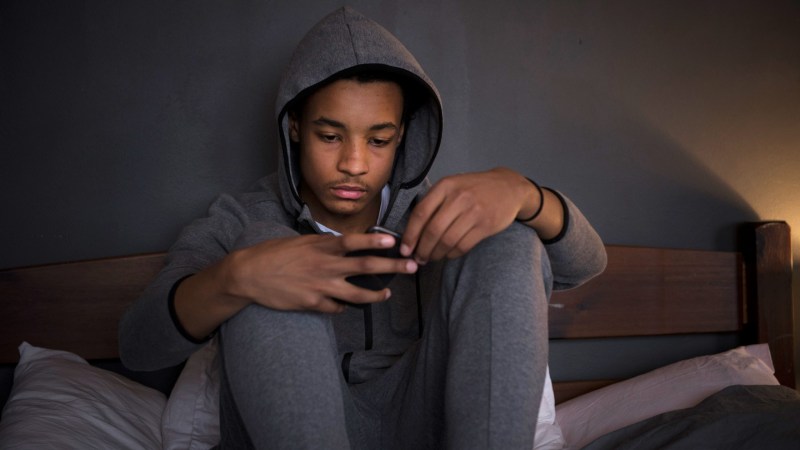
A new survey estimates that 8 million adolescents and young adults in the United States use AI chatbots for mental health support when they feel stressed, angry or sad. The research institute RAND asked 12- to 21-year-olds whether they had used services such as ChatGPT or Google Gemini for advice during emotional distress.
Nineteen percent of respondents answered yes, an increase from 13% recorded in the group’s early-2025 survey.
The results were published Monday in JAMA Pediatrics. Researchers also asked whether respondents found the chatbot responses helpful; the vast majority said they did. Sixty-three percent of those who used the tools had not disclosed their activity to anyone else.
The share of young people using AI chatbots for mental health advice is close to the percentage who report receiving professional therapy. Researchers said some may use both, but many appear to rely on chatbots because of shortages of licensed professionals or limited access.
Outside experts expressed concern that chatbots are not designed to manage crises. Data from OpenAI indicates that in a given week 1.2 million users signal they are considering suicide.
““Right now, AI chatbots are essentially self-regulated. There are basically zero safety or quality standards that are required by federal law.””
A spokesperson for OpenAI said the company has added crisis-detection systems that connect users to emergency services and parental controls that alert parents when serious safety risks appear on a teen’s linked account. California and New York enacted laws last year requiring chatbots to direct users toward crisis services when suicide or self-harm language appears.
Illinois passed a measure that prohibits the use of AI as therapy. Dr. Jodi Halpern, a psychiatrist at UC Berkeley who was not involved in the survey, said the period from early teens through early 20s is when people form intense attachments most quickly and urged companies not to design chatbots that imitate human relationships.
Transparency
Story details
Related Stories
 japantoday.com
Anthropic Confidentially Files for IPO After Raising $65 Billion
The artificial intelligence company behind the Claude chatbot submitted its filing on Monday, weeks after completing a funding round that more than doubled its valuation from February. Anthropic did not disclose the size or terms of the offering. The move comes as the global IPO…
 New York Post
Florida Attorney General Sues OpenAI and Sam Altman, Alleging ChatGPT Caused Harm to Users
Florida Attorney General James Uthmeier filed an 83-page civil complaint Monday in the state's 10th Judicial Circuit against OpenAI and its chief executive Sam Altman.
 finance.yahoo.com
Alphabet to Raise $80 Billion Through Stock Offerings, Including $10 Billion Sale to Berkshire Hathaway
Alphabet announced plans to raise $80 billion through stock sales to fund AI infrastructure investments. The company reached an agreement to sell $10 billion of stock to Berkshire Hathaway.