world
Survey Finds Over 80% of Young Scots Have Seen Misinformation Online
A national youth charity report shows most respondents aged 11-25 encounter misleading content regularly and struggle to distinguish real from fake material. More than two-thirds expressed worry about inaccurate information, and six in ten said they find it difficult to tell what is genuine.
 The Independent
Audio version
Tap play to generate a narrated version.
Developing·Limited corroboration so far. This page will refresh as more sources emerge.
A survey of more than 2,600 people aged 11 to 25 in Scotland found that over 80% have seen misinformation online. The report, conducted by a national youth information charity, also recorded that nearly 70% of respondents are worried about inaccurate information and that six in ten struggle to identify what is real and what is fake.
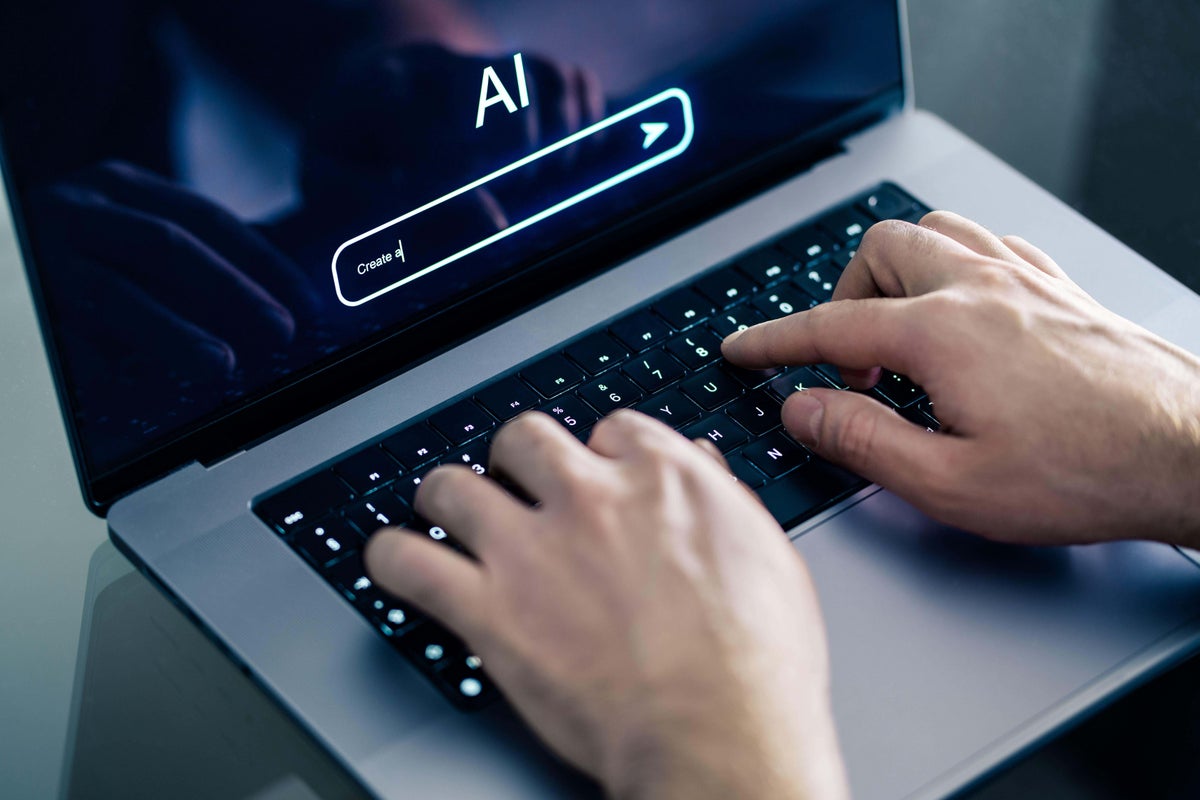
Many participants described a sense that deepfakes have become routine. One respondent stated, "Deepfakes are now just a part of daily life and they're getting better every day. The trustee added that the growth of AI-generated material has increased doubt even when images or videos appear convincing.
Respondents reported that repeated uncertainty can lead to broader distrust of information sources. Several described the experience as frustrating and said they now approach most online material with suspicion.
Participants repeatedly called for stronger rules on artificial intelligence and social media platforms. The charity's chief executive said young people face a large volume of misleading content and feel they can no longer trust what they see. The same report also recorded that four in five respondents view violence as having a major impact on young people and that 85% consider child poverty a serious national problem.
Improving public services and addressing inequality were listed among other priorities.